 Μake us preferred on Google
 In a corner of their ramshackle tent in southern Gaza, Ghaidaa Qudaih and her family keep a baby stroller and three backpacks filled with clothes, diapers, milk and other necessities close at hand. They need them in case they have to run for their lives, as they have 11 times over the past two years.
“Each time, it has been a struggle,” said Qudaih, a 29-year-old vegetable farmer. “Sometimes hope came to us, and sometimes we lost it.”
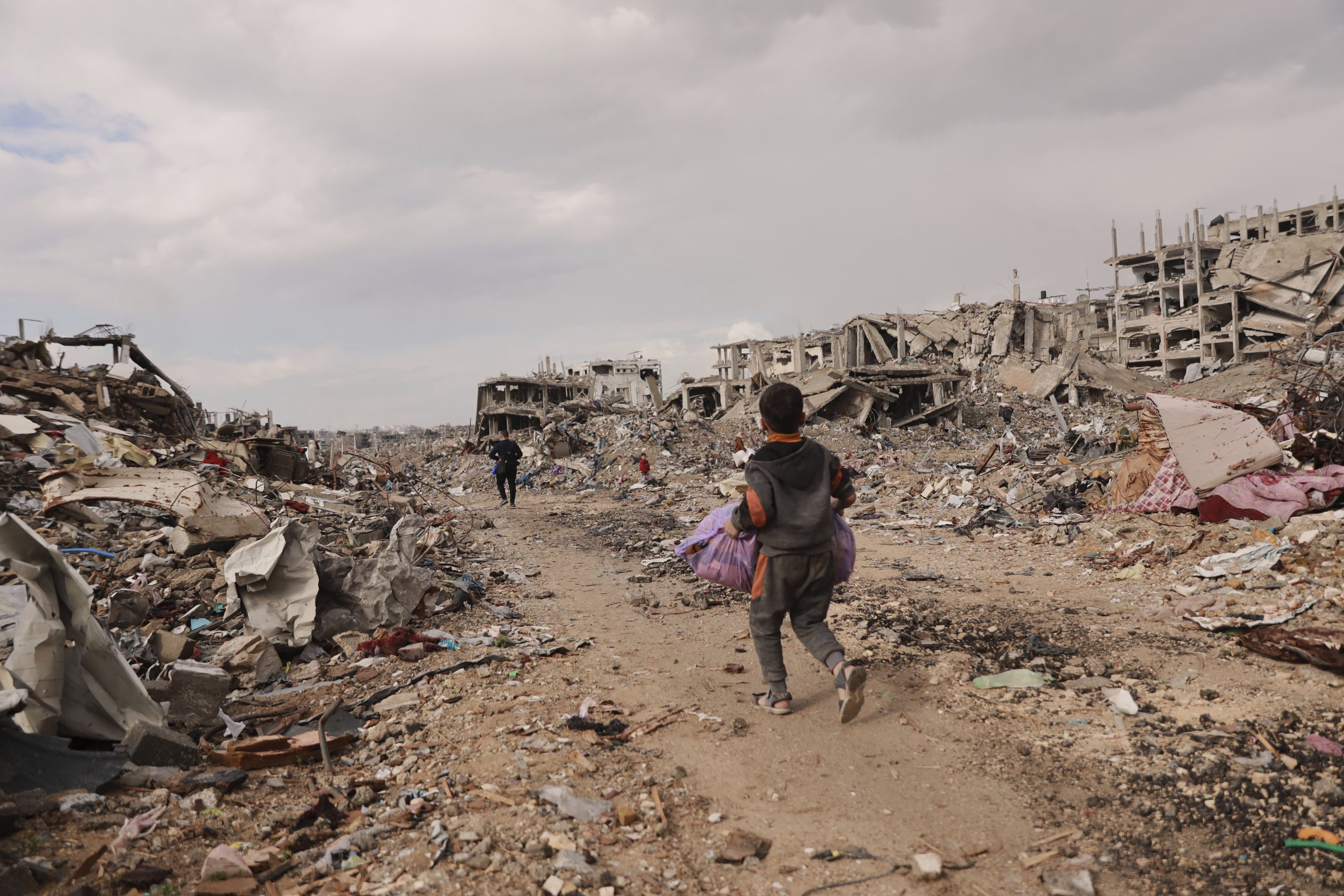
For now, hope has returned. A cease-fire between Israel and Hamas appears to be holding, Israel has pulled back its military forces and Hamas has released all the remaining living Israeli hostages. Tens of thousands of Gazans are on the move, many heading back to their homes. Qudaih and her family pray their 12th move in two years will be their last.
“Maybe next week we’ll be able to go back,” Qudaih said from Al Mawasi, an overcrowded tent city along the beach in the southern Gaza Strip.
Nearly two million Palestinians, roughly 90% of Gaza’s population in Gaza, have fled their homes during the war—many of them multiple times—according to the United Nations. Qudaih, her husband, Abd al-Rahman al-Shawwaf, also 29, and their nearly 3-year-old daughter Farah are among those now planning to rebuild their lives now that the fighting has stopped. They know that Hamas militants are back on the streets to assert control, and they know there are significant obstacles to President Trump’s 20-point plan to end the war. They have seen cease-fires come and go.
“We’ve gotten our hopes up many times before, that we’d finally go home, that the bloodshed would stop,” said Shawwaf.
Perhaps this time, just maybe, it will be different.
Return from Egypt
On the day Hamas attacked Israel two years ago, Qudaih was in Egypt. She and three other Gazans had launched a project in 2020 called “Green Girls” to grow vegetables to generate income and empower a new generation of Palestinian women. Qudaih was in Egypt to learn new farming methods and business techniques to bolster their successful project.
“After all the effort my partners and I put in, and after we achieved everything we dreamed of, suddenly it all disappeared and evaporated,” said Qudaih.
By summer, the family was on the move again. Prices of food and medicines had soared, costing 15 times more than before the war. Sometimes, a friend or relative overseas would send money. But the money traders exploited them, charging commissions as high as 45% to withdraw the cash.
In early June, Shawwaf was approaching a food distribution point when live gunfire pierced the air. He and other men crawled into a large crater left by a missile or artillery shell. A bullet struck the head of a young man near him. He was killed instantly, said Shawwaf.
He kept moving toward the aid point but couldn’t get any food. The crowds were too massive. He left angry, especially at the armed men in the front who carried large sacks.
“They take flour, sugar, oil, tahini, and then they go and sell them to the starving people at astronomical prices!” he later wrote on Facebook. “They are of us and among us, our own flesh and blood. But they sold their conscience.”
Now the nights are turning colder in Al Mawasi. Farah sleeps on a thin blanket. They lack warm clothes, winter blankets and mattresses.
Their family house is still standing, though badly damaged. They will need to repair collapsed walls and the plumbing. When they return, they will have to stay in a tent for at least a month, said Qudaih.
More than anything, they want to stop running and start a new chapter, especially for their daughter. Their backpacks are ready. But they won’t be taking their baby stroller. After two long years, it’s damaged beyond repair.
“What’s happening now feels like our last hope, that maybe the war will finally end, that we’ll return to the life we had before, or maybe even something better,” said Qudaih. “It’s the only hope we have left in times like these.”
Write to Sudarsan Raghavan at sudarsan.raghavan@wsj.com , Jason French at jason.french@wsj.com and Daniel Kiss at daniel.kiss@wsj.com