
Iran has disrupted one of the world’s most important waterways, the Strait of Hormuz.
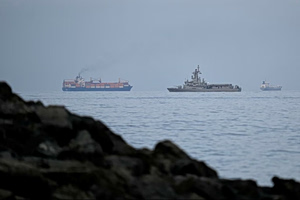
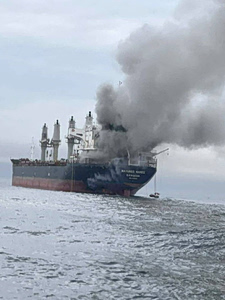
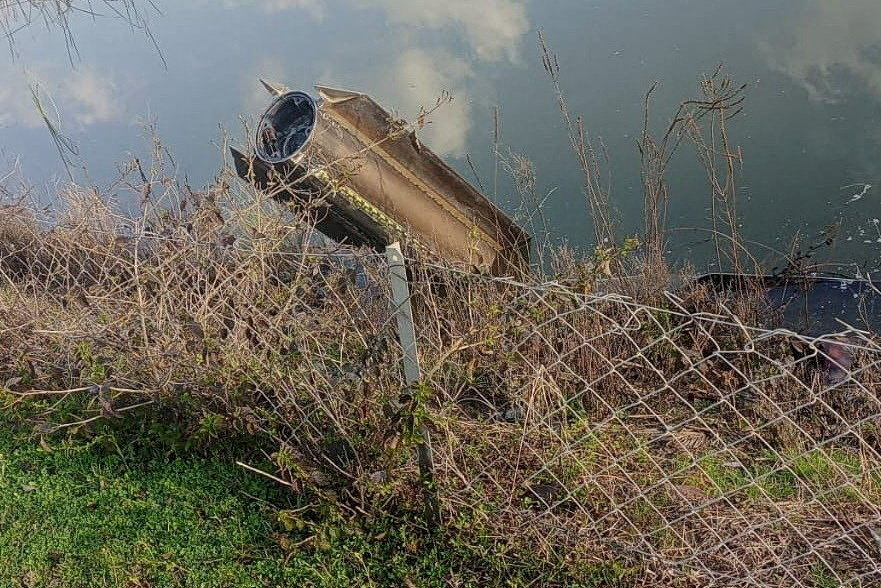
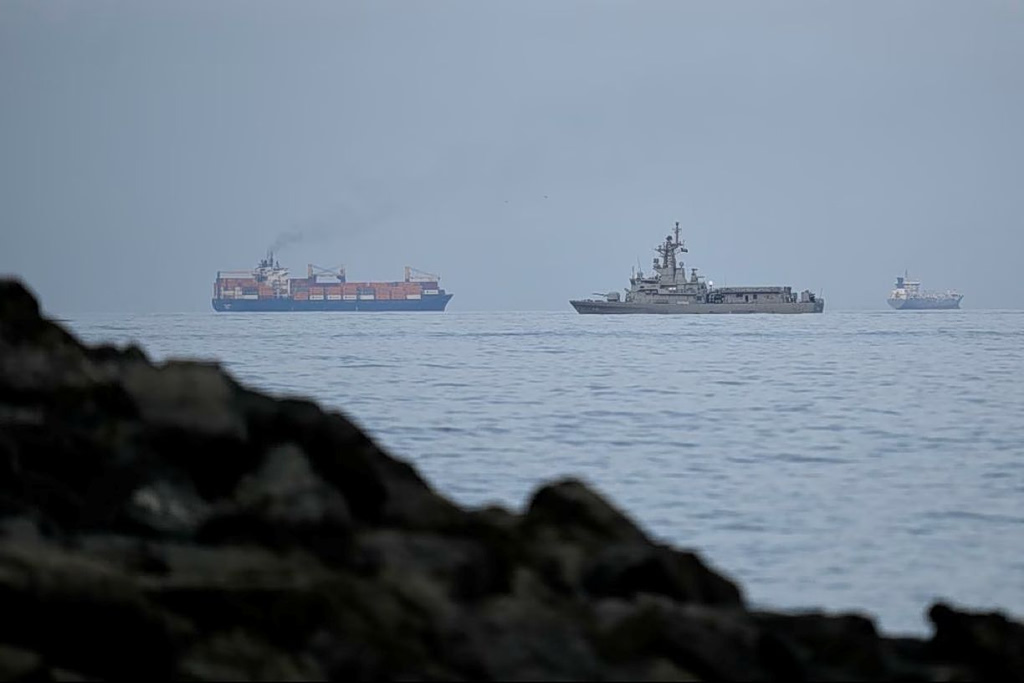
Ship transits through the narrow waterway have fallen from over 150 a day to single digits by this week, according to monitoring firms. Iran is suspected in the attacks of at least 16 foreign commercial ships in the Persian Gulf area since the war began on Feb. 28, causing terrifying explosions and killing sailors.
Tehran’s military is also jamming signals in ways that could put ships at risk of colliding. Some vessels have switched off their own trackers to attempt stealthy sails through the strait.

The Wall Street Journal studied radar satellite imagery and specialist data to create pictures of the chokehold at the Strait of Hormuz.
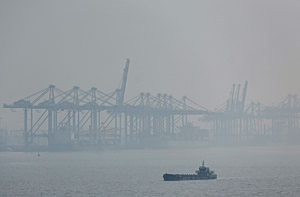
The Strait of Hormuz has been a critical trading entrepôt for centuries, a passageway between the Persian and Oman gulfs. Where the merchandise was once spices and silk, it is now a channel for 20% of the world’s oil and gas, as well as chemicals used in pharmaceuticals and commodities like fertilizer. For now, that trade is gone.
“Iran has been pretty successful in shutting down traffic through the strait,” says Harrison Prétat, fellow at the Asia Maritime Transparency Initiative of Washington-based Center for Strategic and International Studies.
Mojtaba Khamenei , Iran’s new supreme leader, described the ability to block the strait as leverage that “must definitely continue to be used.”
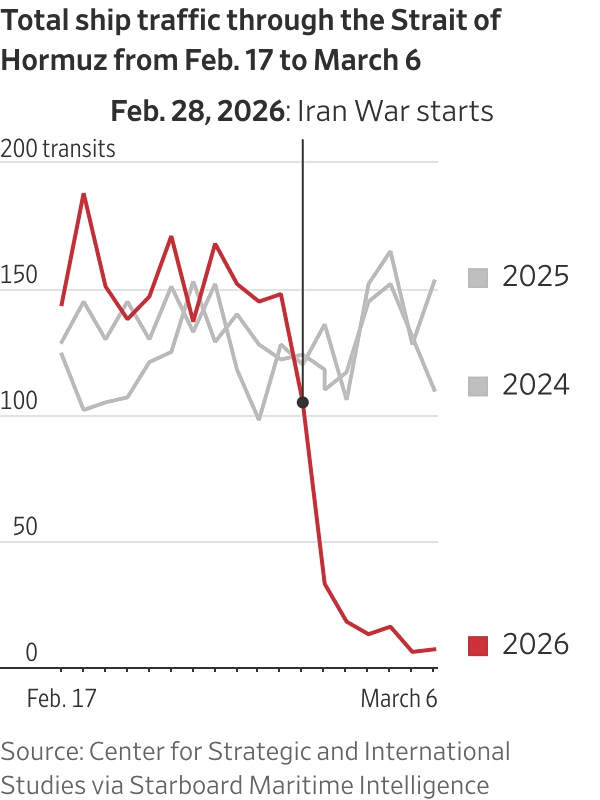
The chart below illustrates just how much ship traffic has plunged in the strait.
Iran is also suspected of hijacking nautical signals that ships use to avoid collisions, a form of attack called electronic spoofing. When a ship’s location system gets spoofed, the vessel appears in the wrong spot on digital maps, sometimes seeming to dart between locations. The result is false information that sows confusion.
It’s a “digital fog,” says Yarden Gross, chief executive of Orca AI, a British company that designs computerized maritime-navigation systems. Gross says spoofing has affected more than 1,200 ships in the region.
Some ships purposely spoof their own signals to hide from Iran. Shortly after sundown on the second day of the war, electronic location transmissions from a China-flagged ship named Run Chen 2 stopped when it appeared to be approaching Hormuz. When signals resumed before daybreak some 10 hours later, the bulk carrier was far south of the strait.
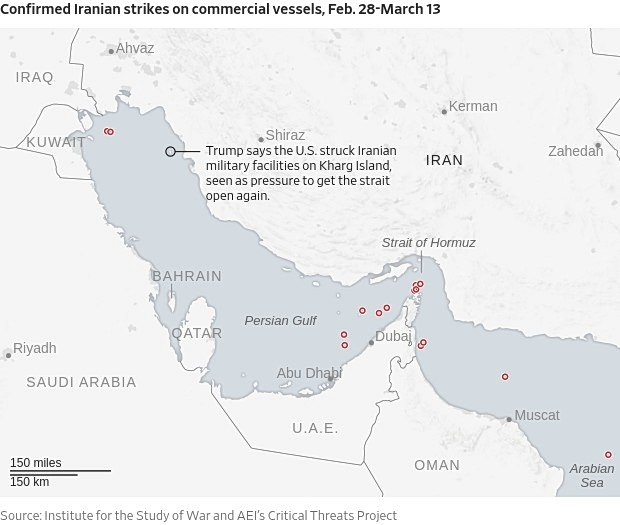
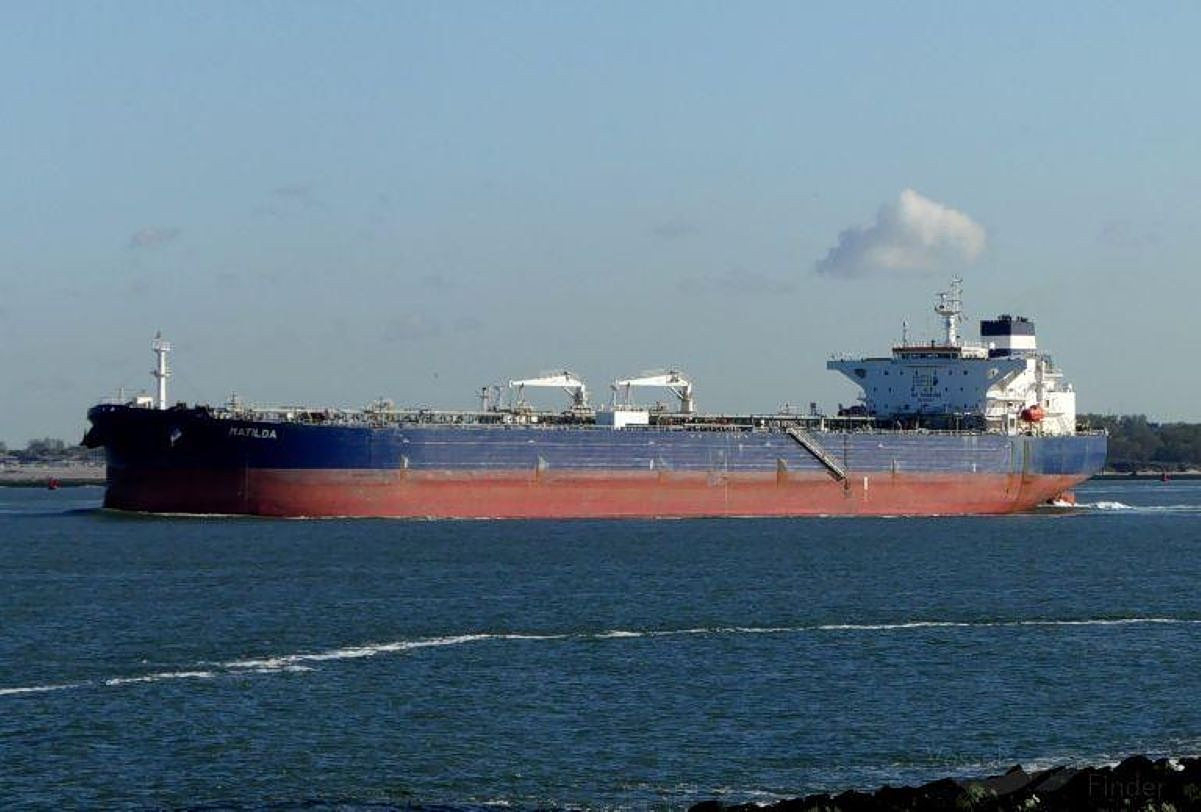
Marine trade analysis firm Lloyd’s List Intelligence says most of the recent Hormuz transits have been tankers carrying Iranian oil and gas. The Wall Street Journal has reported most of those ships are China-bound .
Ultimately, unlocking the Hormuz may require direct intervention by the U.S. Navy with protective escorts of commercial vessels, as it did in the 1980s during the Iran-Iraq war.
Today’s U.S. Navy is about half as large. And Iran is equipped with weapons it didn’t have then, such as drones. Even if escorts were to begin, they would likely be limited to tankers and clear only around 10% of normal daily traffic, according to Lloyd’s List estimates.