
 Μake us preferred on Google
 MASERU, Lesotho—President Trump promised Africa that trade would replace aid when he dismantled America’s foreign-assistance programs soon after taking office this year. But here in one of the world’s poorest countries , his administration is slashing both.
Trump, who publicly disparaged Lesotho as a place “nobody has ever heard of,” threatened the tiny southern African country with 50% tariffs, among the highest rates proposed for any single nation or territory. The Trump administration ultimately set a 15% tariff on Lesotho late Thursday, but much damage has already occurred to the country’s textile industry. It is uncertain how many buyers will return, leaving thousands of workers in limbo.
Lesotho’s garment exporters were already closing up shop in the face of dwindling orders, while other countries with more diplomatic resources rushed to secure new trade deals with the White House.
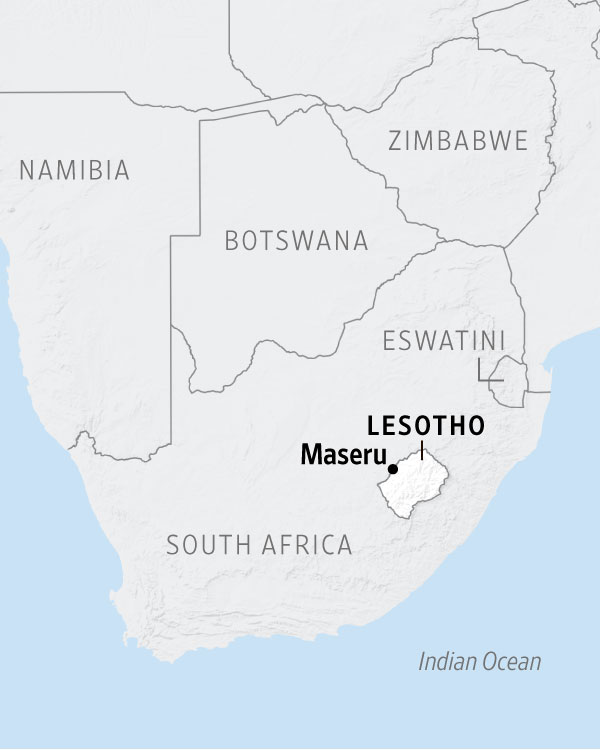
The country’s government declared a state of disaster in July as Trump’s looming tariffs devastated the country’s textile industry. The landlocked nation of 2.3 million people has prospered under a 25-year-old American trade program that granted duty-free access to the U.S. market to dozens of African countries.
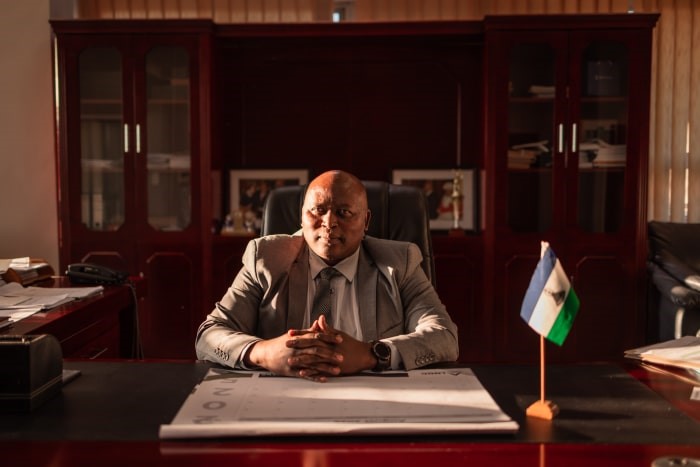
“We took advantage of the trade concessions, being a small country,” Mokhethi Shelile, Lesotho’s trade minister, told The Wall Street Journal. “I did not expect for that to be a reason to be punished.”
The garment industry is the largest private employer in Lesotho, which has an annual gross domestic product of just $2.3 billion. The U.S. accounts for nearly 20% of Lesotho’s overseas sales, including clothing from brands such as Levi’s and Reebok, and stores such as Walmart . Although the 50% tariffs were paused, orders dried up, production lines shut down and workers were sent home.
The White House and the U.S. Trade Representative’s office didn’t respond Thursday to requests for comment.
The disaster declaration has allowed the government to quickly reroute funds to programs aimed at youth unemployment and economic stimulus, including the waiving of fees to register companies and the creation of a fund to support new businesses, said Shelile.
By imposing tariffs, Trump appears to be sidestepping the African Growth and Opportunity Act, which allows 32 African countries to sell some 1,800 products in the U.S. duty-free. The law expires this year, and, with Trump wielding tariffs as the foundation of his international economic policies, most experts don’t expect the Republican-controlled Congress to renew it.
Shelile says a lobbying group that purported to have access to prominent members of Trump’s family asked in a virtual meeting for $1.5 million to campaign for tariff relief. He didn’t identify the lobbyists.
“They wanted the money immediately, and they didn’t want to guarantee results,” Shelile said. Lesotho declined the offer, he said.
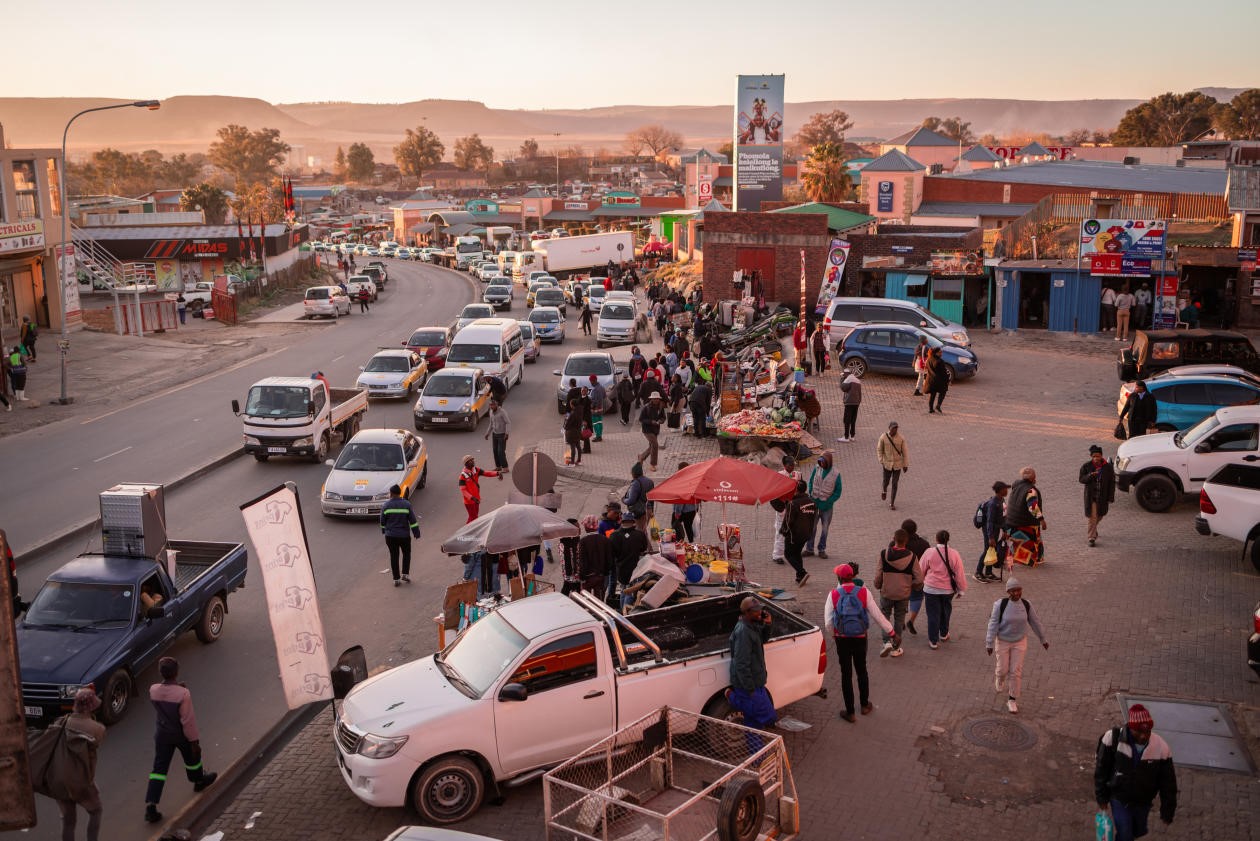
Maseru is home to several textile companies. The recent spate of layoffs has made the local population anxious. Gulshan Khan for WSJ
Shelile said earlier this week he was in talks with the Office of the U.S. Trade Representative, pushing for lower tariffs.
Ever Successful Textile, a Chinese-owned factory in Maseru, Lesotho’s capital, employed 650 people before the tariffs were announced, with 80% to 90% of its orders destined for the U.S.
By the end of July, Ever Successful’s payroll had plunged to 90 workers, who were finishing up one final order—black exercise pants for the American market. Lesotho’s winter was in full swing, and the workers, most of them women, huddled in a corner of the cavernous factory in hats and coats, some wrapped in blankets.
“Normally, it’s too hot in here,” said Malefetsane Phahla, the human-resources manager. “When we’re done with this order, it means we’re going home,” because the company operates on a “no work, no pay” basis, he said.
This week, Lieketseng Billy, 44, and a few dozen other women waited outside the Quantum Apparel factory in Maseru, hoping for work. In June, Billy was laid off from her sewing job at Ever Successful. Now, she is struggling to make ends meet.
“It’s been very difficult,” she said. “I didn’t save anything when I was working; we earn just a little sum of money.”
Textile factories typically pay minimum wage, which rose to the equivalent of about $168 a month earlier this year.
Billy, a single mother who has been working in Maseru’s textile factories since 2001, is absorbing a double-blow of tariff threats and aid cuts. She’s HIV-positive, and for years she has received six months’ worth of antiretroviral medication at a time from a U.S.-supported clinic. But when she went to pick up her medication in early June, she was given just a three-month supply.
“They told me when I come back, I should expect to maybe get a month’s medication or even weeks,” she said.
“The situation is really bad at home,” Billy said. “We don’t have food. Next week, my daughter is going back to school and we need to pay school fees for the third quarter. I don’t know where the money is going to come from.”
In Lesotho’s mountainous rural areas, children sometimes attend school in community churches, which are the largest indoor spaces available in many villages. Different grades sit in different corners, facing different directions, trying to listen to their respective teachers. In other communities, children attend class under the open skies, with lessons often cut short by rain or cold.
American-funded school buildings with roofs, classrooms and bathrooms were at various stages of construction when Trump gutted U.S. aid programs funding the work.
For the past two years, students ranging from age 6 to 15 at the Khama-Khamane Primary School in Qabane have taken their classes in a small stone church hall left roofless by a storm.
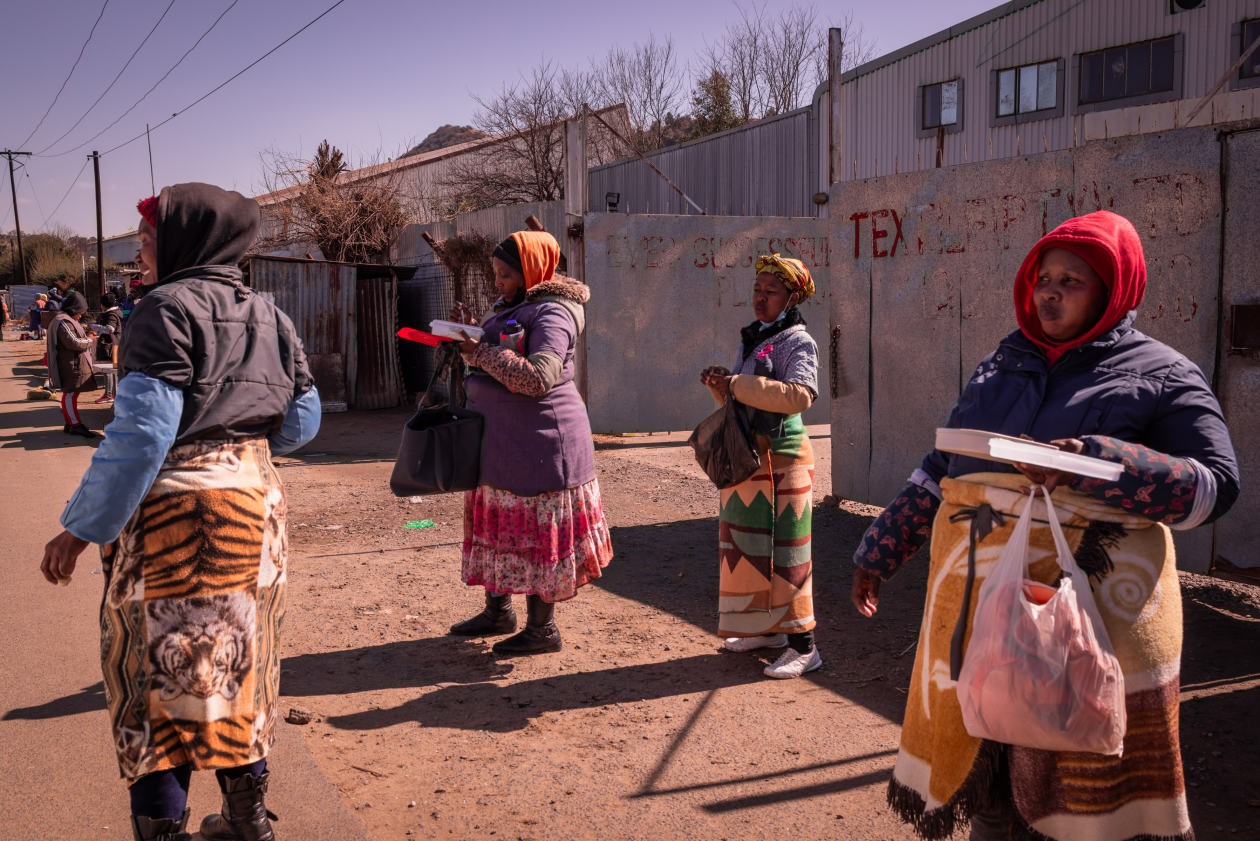
Garment workers on their lunch break outside the Chinese-owned Ever Successful factory. Gulshan Khan for WSJ
In September 2024, the U.S. Embassy in Maseru said it would pay for a new schoolhouse in Qabane, but had only disbursed about half of the pledged $9,000 before Trump ended the funding, said Cheletsi Lefa, the school’s principal.
The school’s 47 pupils continue to attend classes in the roofless church hall while Lefa searches for funding to finish the new building.
“We are going to every corner we can reach to get funding,” he said. “We are leaving no stone unturned.”
Outside of textile factories in Maseru, the newly unemployed are increasingly anxious.
Mamotipi Masitha, 31, has been working in Maseru’s textile factories since 2015. Her job supported herself, her husband—a driver who is currently unemployed—two young children and her sick mother. But she wasn’t able to save anything on her minimum-wage pay, and in June, she was laid off along with the rest of her factory’s workers due to the tariffs.
“I don’t know how I’m going to be able to take care of my mother and kids,” she said outside a still-operational textile factory, along with hundreds of other women seeking work.
“I live on handouts from people to help us eat every day,” she said.
Write to Alexandra Wexler at alexandra.wexler@wsj.com