Katie Rettig arrived in the Big Apple with two 50-pound suitcases, a job starting the next morning and no place to live. Furnished short-term rentals in Manhattan were running $5,000 a month. Then, on the 15th page of Google search results, she found a convent.
A few days later, Rettig was settling into a furnished room at the Sacred Heart Residence in the Chelsea neighborhood as a nun showed her around. The place was clean, the price was right and a hot dinner was on the table every night. She figured she could manage the 11 p.m. curfew with the nighttime events for her job at a whiskey company.
“Nuns are awesome,” Rettig said. “They be chilling.”
After six weeks at Sacred Heart, she moved off the waitlist at St. Mary’s Residence on the Upper East Side, where she lived for nearly a year. Rettig, 32, found the benefits of convent-living obvious: safety, community, no year-long lease. “I trust nuns more than I trust random people on Facebook Marketplace,” she said.
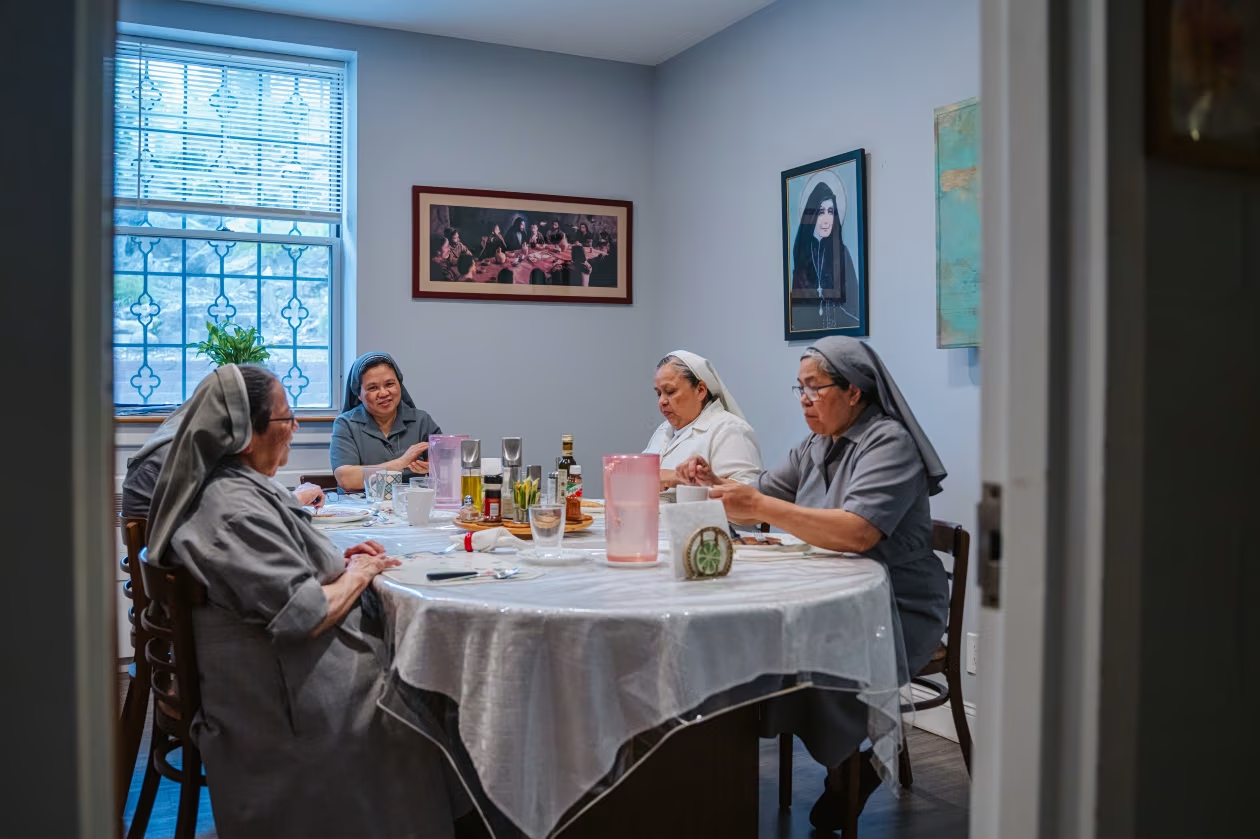
At Centro Maria, five sisters live alongside their 21 residents in a four-story red-brick building. Photography by Lucía Vázquez for WSJ
Welcome to the New York rental market, where the median asking rent hit $3,616 in the first quarter this year, 20% above pre-pandemic levels, according to Realtor.com . To manage on a starting salary, some young professionals are turning to convents.
Sacred Heart charged Rettig around $1,650 a month while St. Mary’s Residence ran her around $1,200 a month. Other residences include St. Agnes Residence on the Upper West Side, which starts at around $950 a month, and Centro Maria in the Bronx, which charges around $800 a month. Most houses accept non-Christian residents and don’t require any religious practice.
They do come with rules. Some have curfews of 11 p.m. or midnight. Women’s houses bar male visitors from the rooms, and the same usually goes for alcohol.
At Centro Maria, five sisters live alongside their 21 residents in a four-story red-brick building. Each morning the nuns, some of them in their 90s, cook breakfast for the house–a variety of pancakes, eggs, sausage, fruits and juice. They clean the building and host parties so residents can get to know each other. A karaoke machine sits in the dining room and the nuns sometimes join the singing.
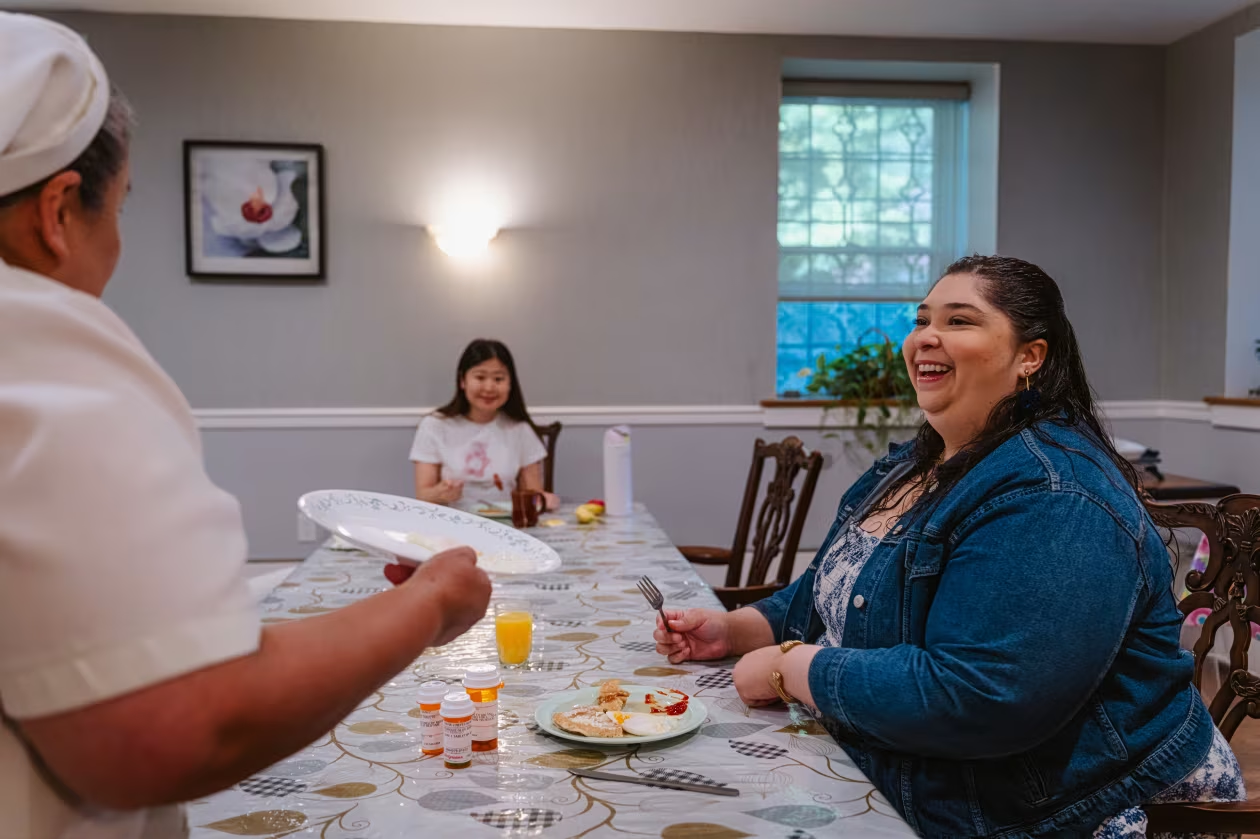
Each morning the nuns at Centro Maria, some of them in their 90s, cook breakfast for the house—a variety of pancakes, eggs, sausage, fruits and juice. Photography by Lucía Vázquez for WSJ
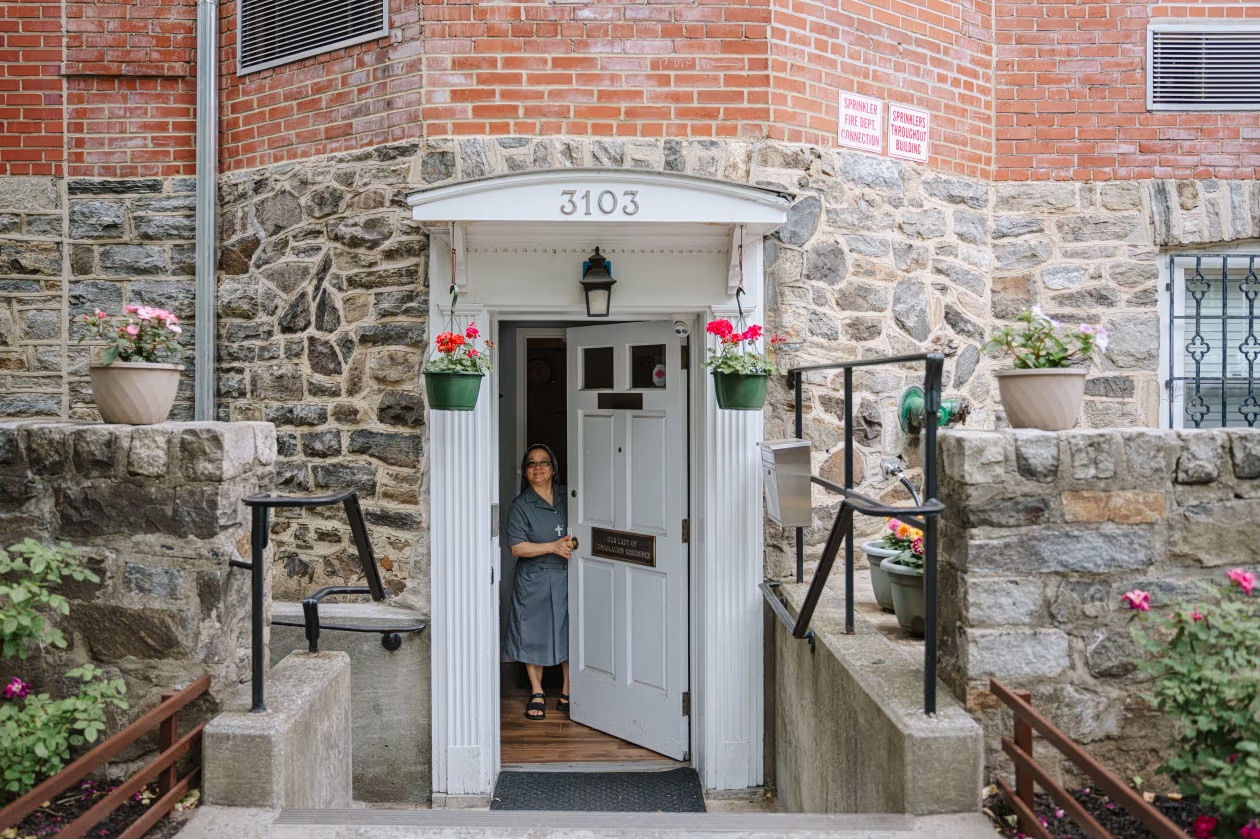
‘I love living with the girls,’ Sister Rita said. ‘They keep me young.’ Photography by Lucía Vázquez for WSJ
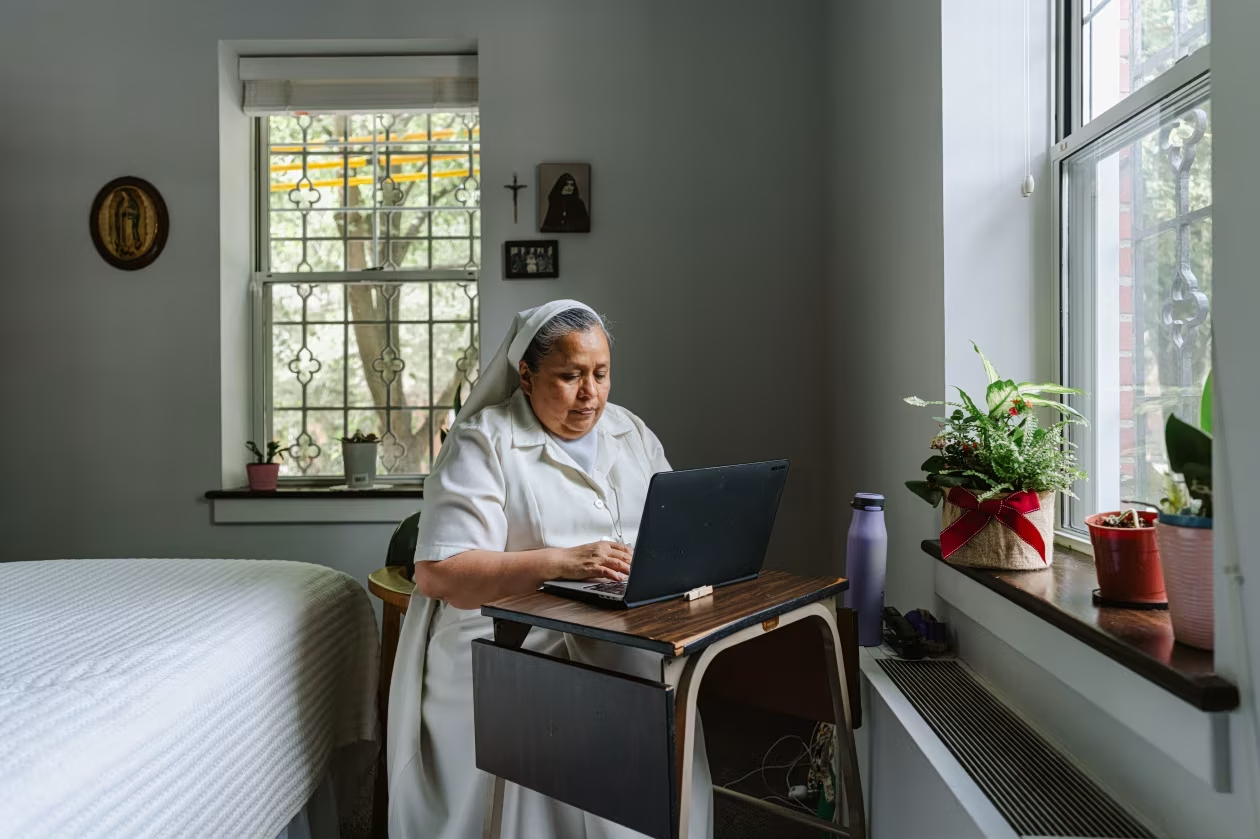
“I love living with the girls. They keep me young,” Sister Rita, one of the nuns, said.
Sister Rita grew up in the Philippines, where she studied business in college and assumed she’d have a normal career and get married. “The word nun was not in my vocabulary,” she said. Then she spent time living in a convent house herself. “Two years later I had a veil already,” she said.
The day-to-day of running the house falls to all five sisters on a rotating basis. A display board in the lobby denotes who’s in and out. The nuns stay awake until everyone is home. “I don’t go to bed if I don’t know where someone is,” Sister Maria de Jesus said. When a girl texts at 11:30 saying she’s running late, Sister Maria lies in bed, waiting. “I’m gonna kill her tomorrow,” she usually thinks, but gets up anyway when the door finally opens.
Sister Maria nags the girls about dirty rooms and overloaded washing machines, and conducts room checks twice a month. “You don’t know the date, but I’ll be there,” she said with a smile. When residents bring home a boyfriend, Sister Rita vets them. Sometimes, she tells them she doesn’t like him.
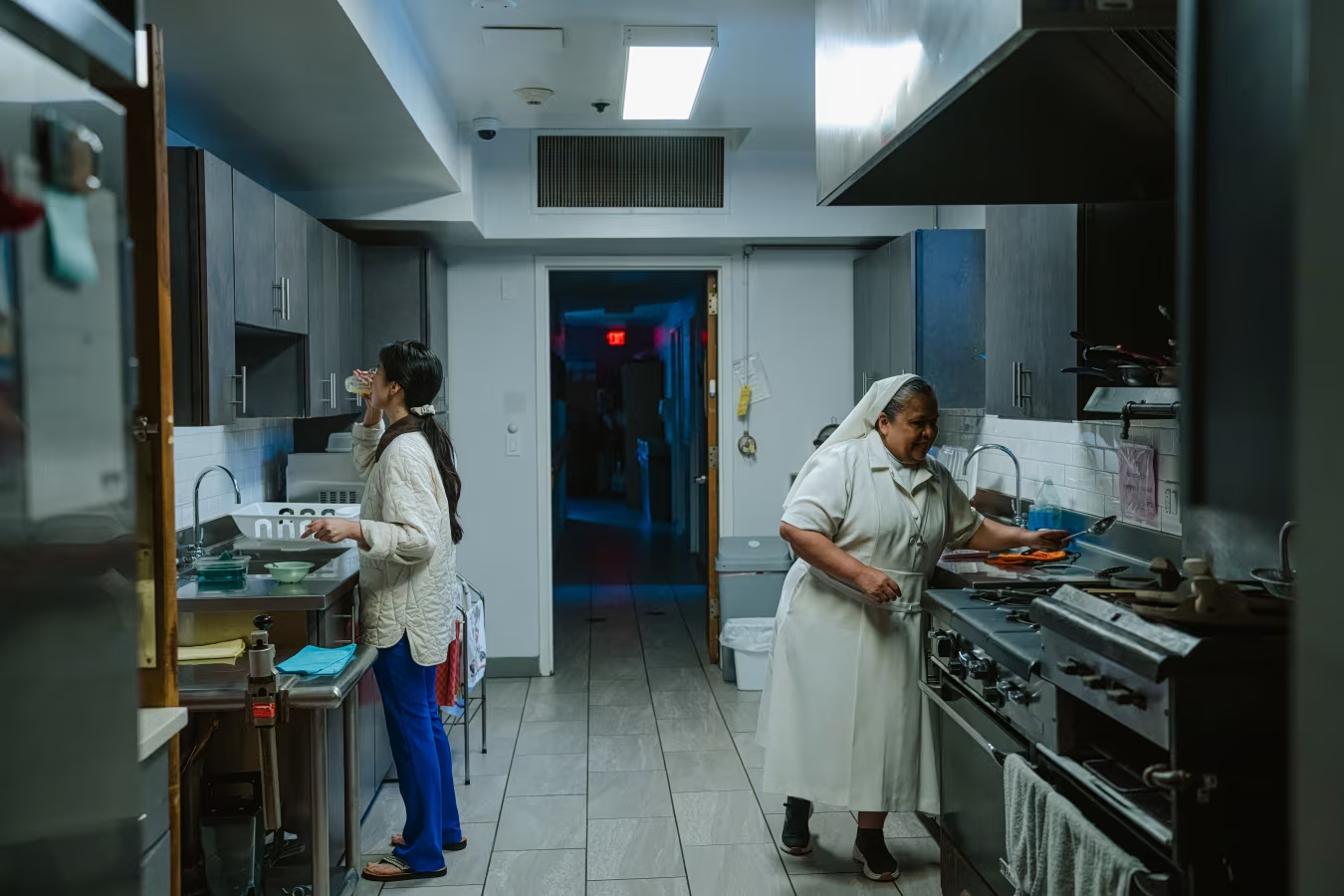
The sisters at Centro Maria clean the building and host parties so residents can get to know each other. Photography by Lucía Vázquez for WSJ
Boarding houses were founded to shelter young people, primarily women, arriving alone to work in New York City. At their peak in the early 1900s, dozens of organizations across the city offered such housing. Most have closed, casualties of rising maintenance costs, shrinking religious orders and pandemic-era disruptions. Sacred Heart, where Rettig lived, has since shut down for reasons that weren’t immediately clear.
Among those remaining, waiting lists stretch months.
For Diana Janna Reyes Núñez, 26, Centro Maria became a lifeline after her mother died. She had been living not far from the Bronx residence when she suddenly needed somewhere affordable to go. “Finances have been such a struggle for me,” she said. Having utilities, Wi-Fi, and breakfast included in the rent made it manageable. But it was the nuns who got her through the grief.
Jeralene Maria, who came to New York from India, had lived in a similar residence house back home, so the setup felt familiar. A nun has been teaching her to cook, and every morning she attends the chapel service.
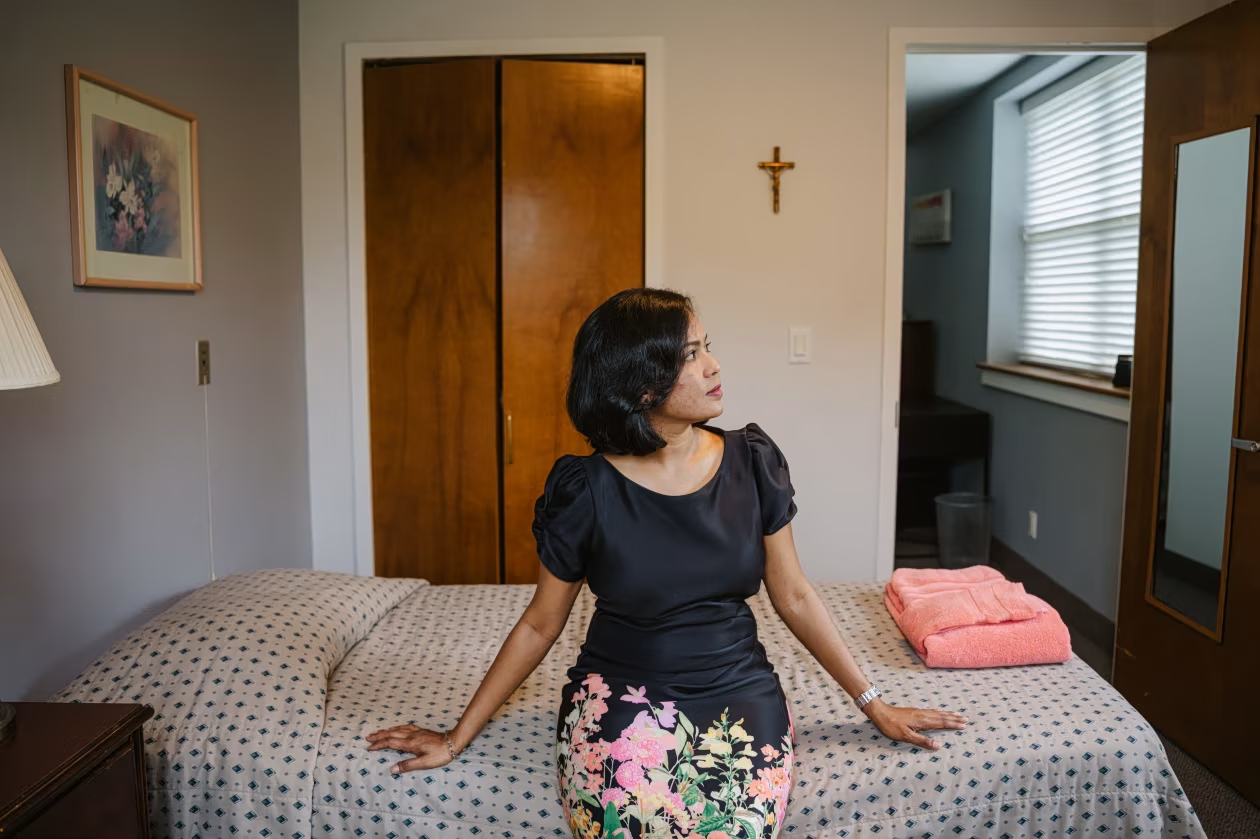
Resident Jeralene Maria arrived to New York from India and said the setup at Centro Maria felt familiar. Photography by Lucía Vázquez for WSJ
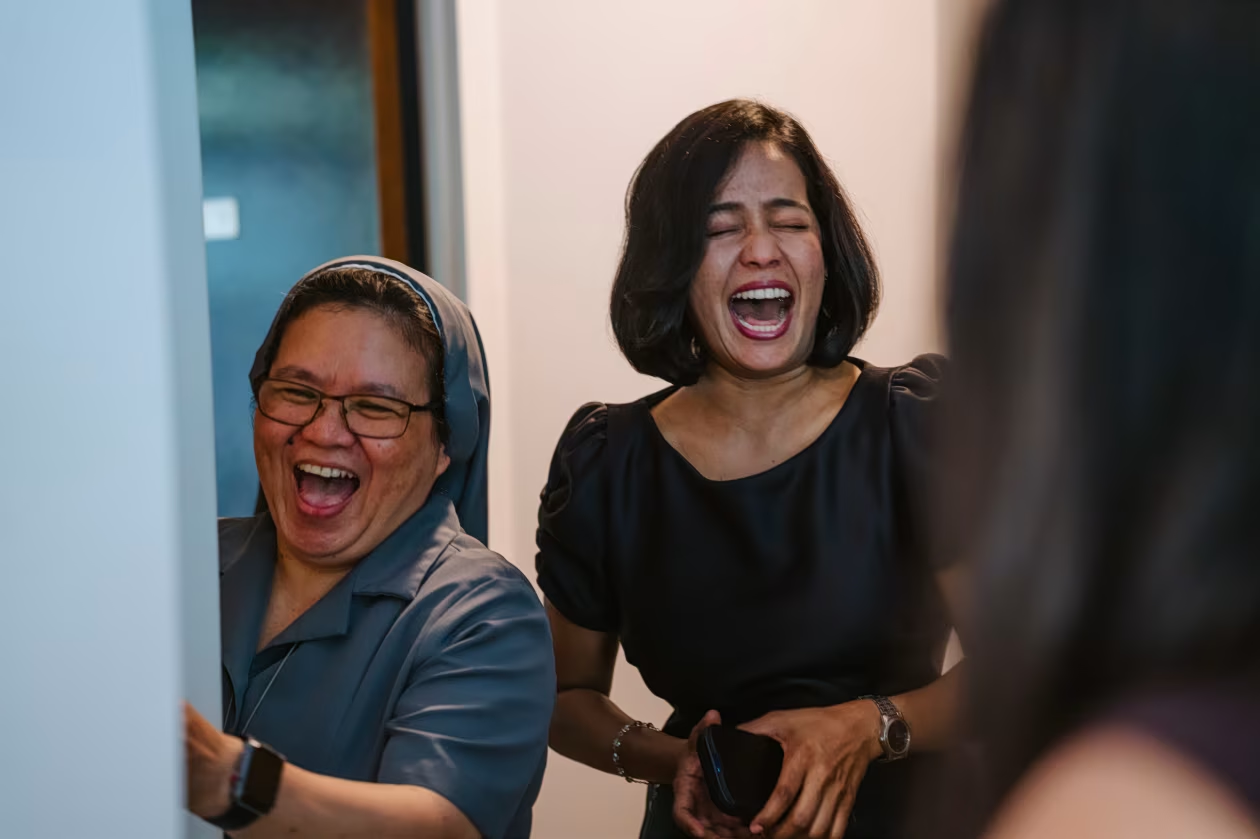
Maria said a nun has been teaching her to cook and every morning she attends chapel service. Photography by Lucía Vázquez for WSJ
Not all houses are women-only. Kolping House, a Catholic organization on the Upper West Side, runs about 90 rooms with two floors for men and one for women–and no curfew.
Walter Heckem, 63, moved into the residence a few years ago and says the free dinners, especially pasta and beef dishes, remind him of the smells that wafted through his childhood home. The commute to his Manhattan porter job is convenient, too. “The location is perfect,” he said.
Hannah Keziah Agustin, a 24-year-old NYU graduate student, moved last August to Menno House, a 10-person Gramercy residence affiliated with the Manhattan Mennonite Fellowship. The smallest room costs $580 a month.
“It was the cheapest place I found in Manhattan,” she said. In the co-ed house, residents share kitchen duties, rotating bathroom assignments, and a deep-cleaning every six weeks: baseboards, rugs, stairs.
Manager Greg Springer said the affordability drives interest but the community is also a draw.
Agustin regularly makes breakfast and dinner with fellow residents while cramming for her master’s of fine arts assignments. Once, when a housemate defended his dissertation at Fordham, two residents made the trip out to watch. The house’s roster has included an Indonesian theologian, a singer at a trade opera center, and a Japanese U.N. translator the house helped join a dating app. He later married and invited everyone to the wedding.
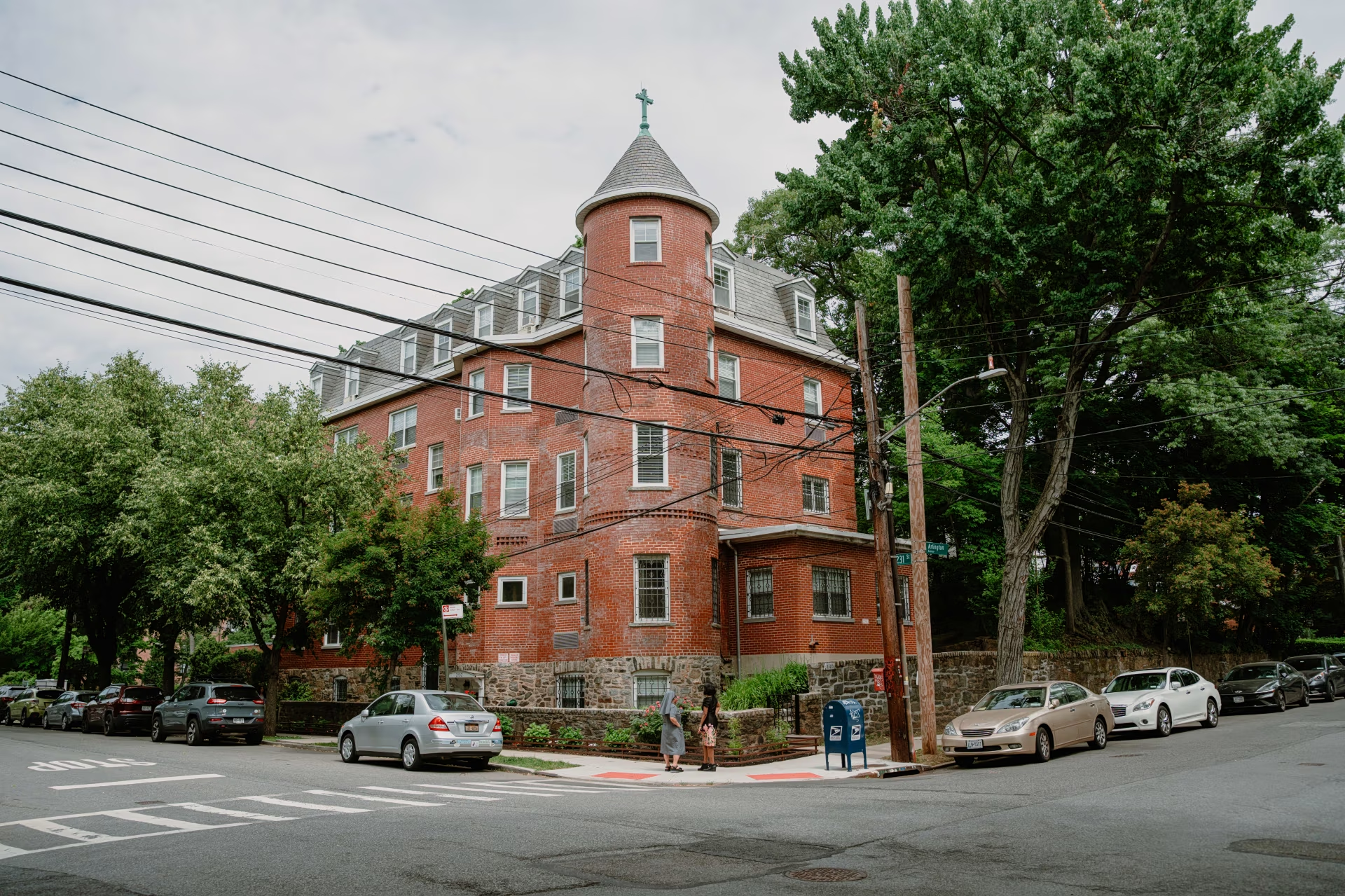
Centro Maria charges around $800 a month for a single room. Photography by Lucía Vázquez for WSJ