 Μake us preferred on Google
 SpaceX is kicking off a secondary share sale that would value the rocket maker at $800 billion, people familiar with the matter said, surpassing OpenAI to make it the most valuable U.S. private company.
The company’s Chief Financial Officer Bret Johnsen told investors about the sale in recent days, and SpaceX executives have also said the company is weighing a potential initial public offering in 2026, some of the people said.
The $800 billion valuation is double the $400 billion value it fetched in a recent secondary share sale.
SpaceX didn’t respond to a request for comment.
SpaceX investors have been waiting for an IPO for years as the company has grown into an essential service for the U.S. government, launching satellites and astronauts. It is also a provider of broadband internet around the world, used in remote areas ranging from the mountains of the U.S. to the frontiers of the war in Ukraine.
The IPO market picked up this summer after three years of doldrums. Shares of stablecoin issuer Circle Internet Group and software maker Figma both soared in their market debuts this year. The government shutdown slowed the pace of new offerings, but bankers and investors are optimistic 2026 will be a return to normal IPO levels.
While much of Elon Musk ’s business empire is facing growing challenges, his rocket-and-satellite company remains stronger than ever, thanks in part to its dominant position launching rockets into space. Many investors say the company’s satellite business Starlink—which has more than eight million active customers—is also driving up its big valuation.
SpaceX approached investors as part of a so-called tender offer, which usually takes place twice a year. In these transactions, employees and investors are able to sell their existing shares, allowing them to cash out from a company that is almost 25 years old but still hasn’t gone public.
There is no guarantee SpaceX will reach the $800 billion value it is aiming for, though the company has a dedicated investor base that routinely writes checks for ever-growing valuations. Musk said on X in June that the Texas-based company was expected to generate about $15.5 billion in revenue for the year.
The Texas-based company handles missions for commercial satellite companies and government agencies like NASA. It also has deep ties with the Pentagon and the intelligence community, working on both launches and satellite-related projects for those clients.
SpaceX also frequently launches its own satellites to low-Earth orbit.
It has around 9,000 satellites in space for its Starlink satellite-internet division, which provides high-speed connections for residential customers and business clients like airlines.
The company is also working to build up a business providing satellite links directly to consumers’ cellphones, and recently agreed to acquire blocks of spectrum for satellite-operator EchoStar to support those efforts. It committed more than $20 billion in cash, stock and debit commitments to purchase the EchoStar spectrum.
“We are so pleased to be doing this transaction with @EchoStar and working with operators across the globe to advance our mission to end mobile dead zones everywhere on Earth,” SpaceX President Gwynne Shotwell said in a September post on X about one of those deals.
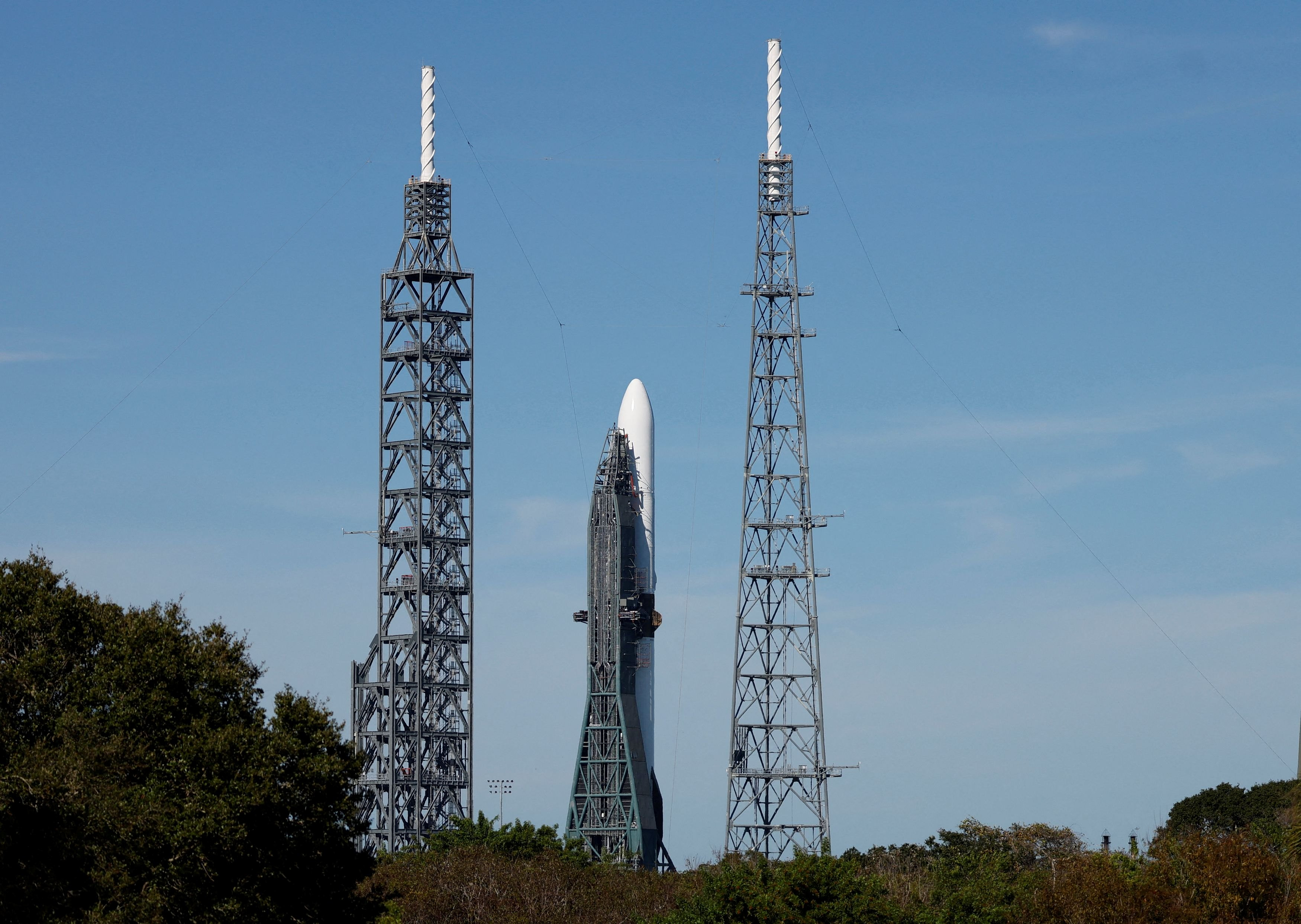
SpaceX is also investing in Starship, a massive rocket it is developing for a range of missions, including a moon landing of NASA astronauts.
Tech site The Information earlier reported about SpaceX’s discussions with investors about the timing of a possible IPO.