DUBAI—When war arrived in this playground for the ultrarich in the Middle East this spring, its leaders, like others across the Arab Gulf, pinned their hopes on a brief conflict, expecting to roar back by the fall and end a disastrous period in their history.
Instead, they are writing the year off as a loss, according to people familiar with their thinking, as fighting between the U.S. and Iran drags into its seventh month and a bleak economic picture descends on the region.
Marquee events have been disrupted, and luxury hotels are largely empty and slashing staff as war risks keep air travelers away. The Bahrain Grand Prix Formula One race is still happening this October, but thousands of miles away in Malaysia.
Saudi Arabia, which has made a multibillion-dollar bet on videogames , moved the E-Sports World Cup from Riyadh to Paris, and Formula One canceled April’s race in the kingdom. The Abu Dhabi Grand Prix is still on the calendar for December, though Formula One says that could change depending on events. A music festival headlined by Shakira in the United Arab Emirates this year has already been pulled.
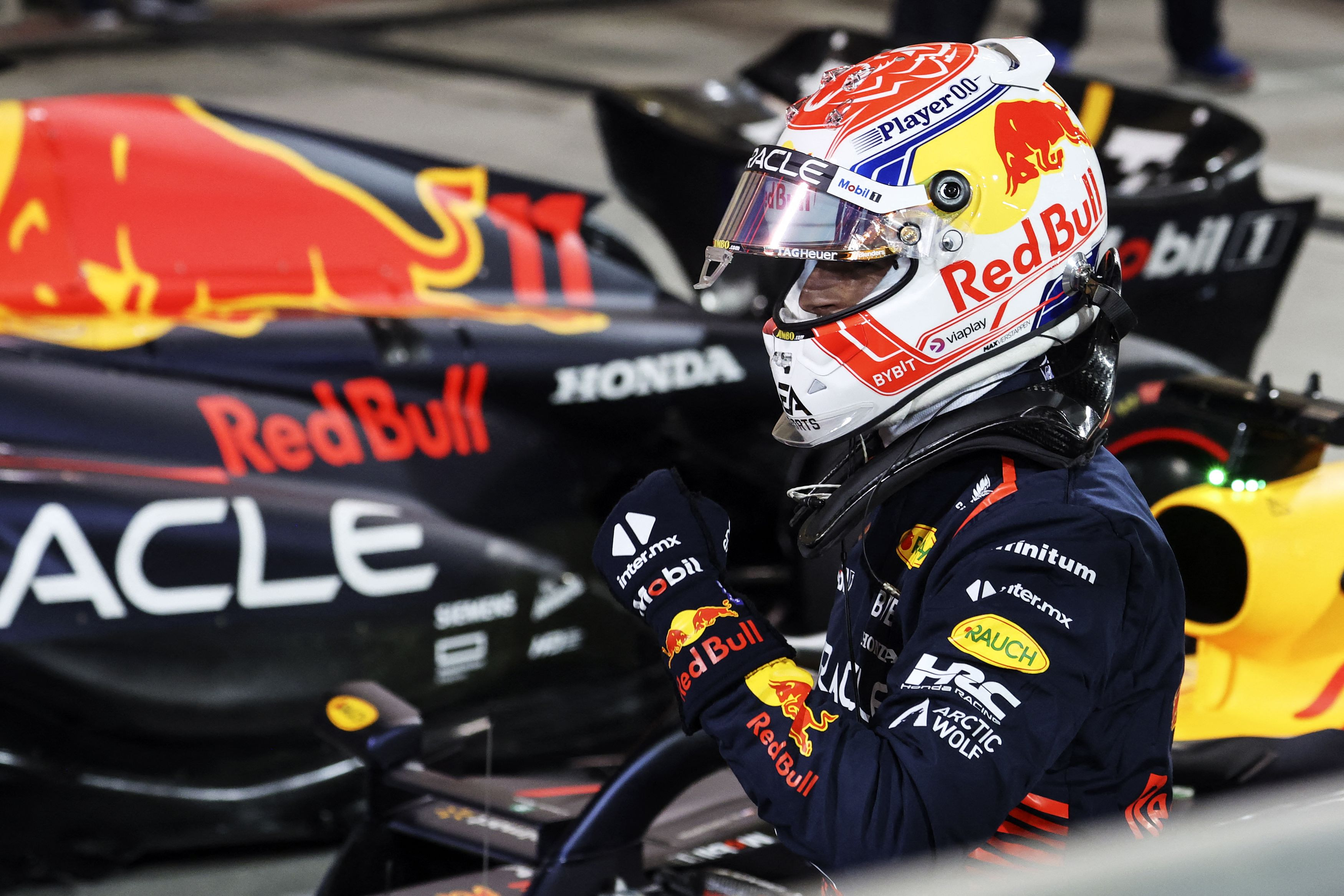
Formula One F1 – Bahrain Grand Prix – Bahrain International Circuit, Sakhir, Bahrain – March 4, 2023 Red Bull’s Max Verstappen celebrates after qualifying in pole position. REUTERS/Nir Elias
Aviation, real estate, tourism, shipping and hotels continue to be hit hard across the region. Companies are dealing not only with a lack of demand but also with shipping bottlenecks that have delayed deliveries of everything from heavy machinery to kegs of imported beer.
“When this thing ends, it is still going to take six months for things to start to feel normal again,” said Rafael Khanoyan , chief executive at U.A.E. contractor Al Ryum Group, who said shipment backlogs and rerouted containers have sharply increased the price of imported goods.
Arab Gulf leaders came into the summer expecting the violent phase of the war to wind down in favor of long negotiations over Iran’s nuclear program, allowing economic activity to bounce back closer to normal, the people familiar with their thinking said.
Those hopes are now gone. Gulf leaders expect the rest of the year will be a washout and are looking at an extended period of low-level conflict with no clear U.S. path to bring it to an end, the people said.
Businesspeople in the hardest-hit sectors in Dubai are signaling a recovery could be a long way off, even as the government has restricted information about war damage, stopped publishing some data and gone on a marketing blitz to portray life in the emirate as back to its prewar best.
Wynn Resorts —which is building the first legal casino resort in the U.A.E. at a price tag of more than $5 billion—said the war has led to a monthslong delay in opening and has increased costs by hundreds of millions of dollars.
“Look, I’m not going to tell you there’s no risk, but when we underwrote the project…we didn’t underwrite a region with zero geopolitical risk,” Wynn Chief Executive Craig Billings said on a call with investors in August. “We underwrote a country with a demonstrated ability to manage through it.”
Many European and North American airlines—including Air Canada, KLM and Lufthansa —have extended their suspensions of flights to Dubai, in some cases until next year.
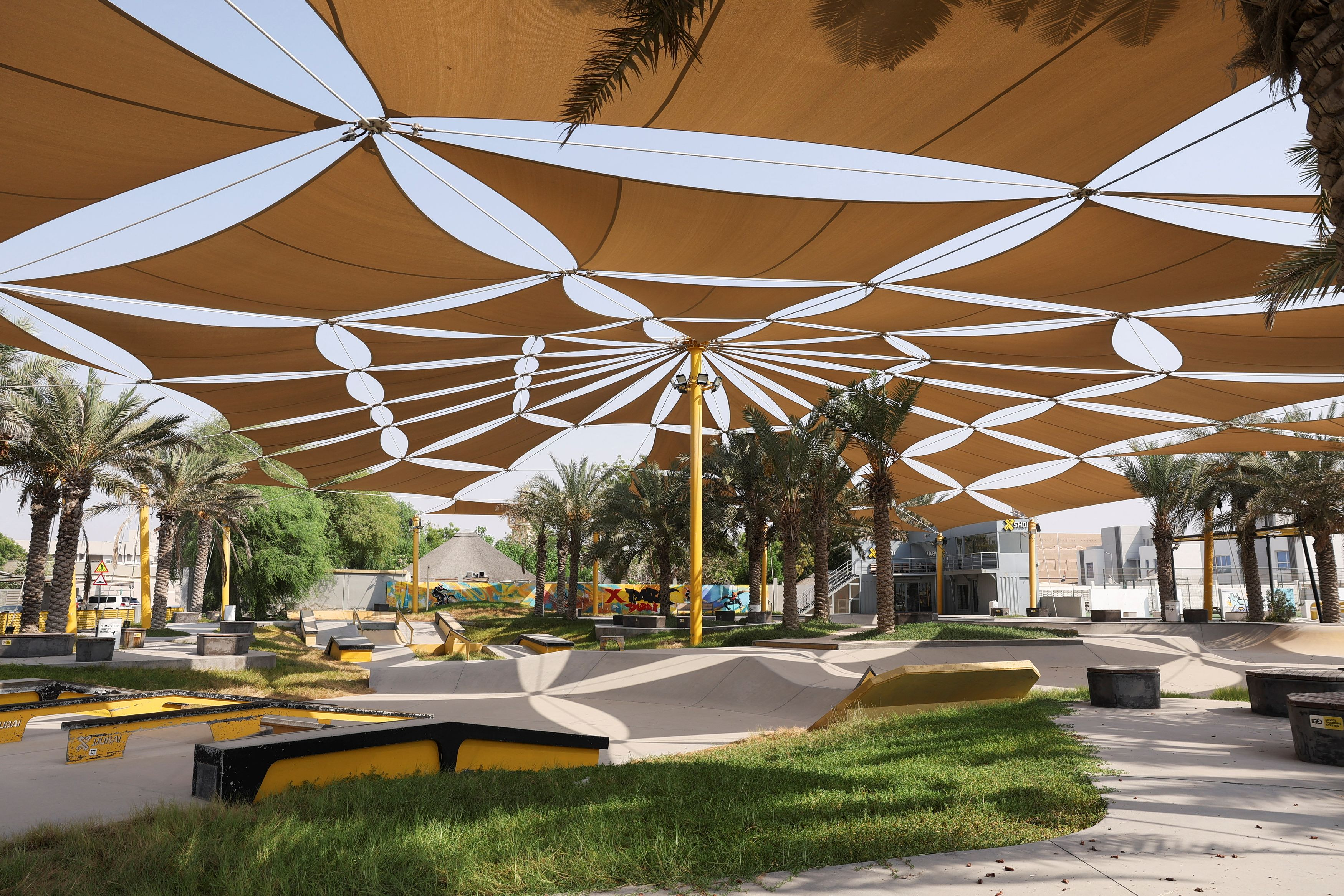
An empty, closed outdoor skate park, during the summer heat, in Dubai, United Arab Emirates, August 24, 2026. REUTERS/Amr Alfiky
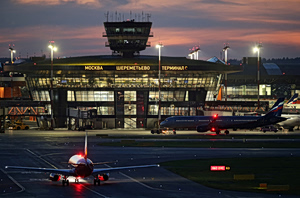
Gulf-based airlines have continued to fly across the region, even using Iranian airspace. Their risk appetite is higher. Dozens of planes have landed at or departed Dubai International Airport within five minutes of warnings of missile or drone attacks, The Wall Street Journal has reported.
Dubai International Airport, typically among the world’s busiest, said its passenger traffic fell 31% year-over-year in the first half of 2026. It said cargo shipments are down 29% in the same period.
Hotel occupancy rates dropped to 56% in the first half of the year from around 80% in 2025, according to a report from Cavendish Maxwell, a Persian Gulf-based property consulting firm. Luxury and upscale properties faced the steepest occupancy declines.
The crisis is making tourism less attractive as a counterweight to oil as Saudi Arabia works to reduce its reliance on hydrocarbons under Crown Prince Mohammed bin Salman’s Vision 2030 plan, said Neil Quilliam , an associate fellow at international affairs think tank Chatham House in London.
“Vision 2030 was already a bit on the rocks, and they were already changing their priorities,” said Quilliam, referring to the ambitious economic and social change effort. “There seems to be a push now away from the softer sides of the business goals, more toward industrialization.”
Dubai’s real-estate index, which tracks publicly listed developers, had lost about a third of its value as of Thursday from just before the war.
Residential sales fell 31% in the spring. Sales of luxury properties above $4 million were hit even harder—down 59%, according to a report from Betterhomes, a Dubai property brokerage.
“This year went into the trash,” said Walid Abou Sabha, a Dubai-based property consultant.
Originally from Lebanon, Abou Sabha moved to Dubai in 2023 to tap into the city’s post-Covid real-estate rush. He went from earning around $2,000 a month in other Middle Eastern markets to pulling in $65,000 a month selling properties and living the flashy Dubai lifestyle of fast cars, parties and expensive watches.
After Iran began firing on Dubai on the first day of the war, Abou Sabha said his sales in the early spring fell from seven a month to zero, though he said he expects the sector to rebound in a few years.
“You cannot gamble against Dubai. Any time people did, they ended up losing,” Abou Sabha said.
Prices in Dubai have held up better than demand. Average sales prices for residential homes were up 3% in the second quarter of 2026 from the same period last year, according to Betterhomes. Hotel prices fell only 7% in the first half of the year from the same period of 2025 despite the high vacancies. Airfares have remained high as competition dropped off and jet-fuel prices rose.
Alistair Paine, chief executive of Peninsula, a consulting company that helps international businesses establish operations in Saudi Arabia and the U.A.E., said prices would eventually succumb to the drop in business, though probably not till the end of the year.
“There is a time effect to be realized here,” Paine said.
Some countries in Asia are aiming to attract businesses leaving the Persian Gulf. Singapore in August announced a tax exemption for some investment profits earned by fund managers. Turkey in June introduced a 20-year tax exemption on certain foreign-sourced income for new residents and a reduced inheritance tax.
Both countries already make it easier for residents to become naturalized citizens than Persian Gulf states, which have extremely restrictive naturalization policies.
“They are incentivizing companies to capitalize on what is going on in the Gulf,” Quilliam said.
Companies that moved into the Gulf chasing the wealth in the region, however, are wrestling with the reality that bureaucratic hurdles and punitive attitudes toward firms that leave could make it tough to return, he said.
“It’s a balancing act,” Quilliam said.
The U.A.E. has tried to calm the nerves of its business community, with high-ranking Emirati officials, who typically maintain a low public profile, meeting with investors and entrepreneurs.
Dubai in the spring approved a series of stimulus packages worth about $680 million. The measures allow for deferrals of—or exemptions from—some government fees, support for hotels and streamlined residency processes.
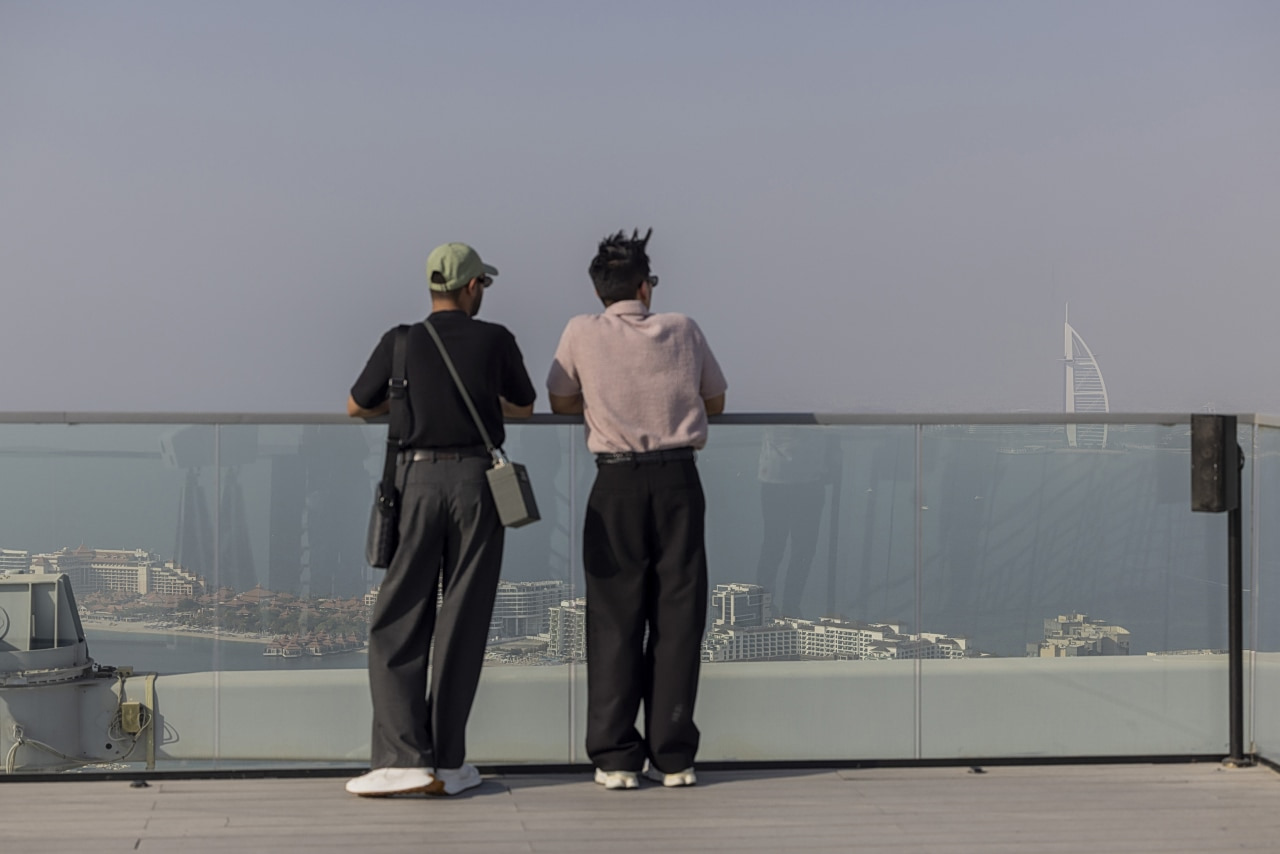
Visitors at an observatory viewpoint on Palm Jumeirah in June. Katarina Premfors for WSJ
Dubai is also passing out hundreds of dollars in tourist vouchers that include free tickets to water and theme parks, nearly half-price hotel stays at the city’s posh Palm Jumeirah and three months of a premium food-delivery subscription.
An Emirati-hosted international golf tournament is set to take place in November. Musician Hans Zimmer, bands Imagine Dragons and the Chainsmokers, as well as comedians Russell Peters and Trevor Noah, are scheduled to perform in the country before the year’s end.
But U.A.E. officials acknowledge the war could again prove an impediment.
“A state of neither war nor peace cannot be a sustainable solution,” Anwar Gargash, a senior Emirati adviser, said on social media this week.