Luxury companies look like a rabbit caught in the headlights. The market for secondhand luxury goods is approaching a tipping point, but many brands can’t decide which way to jump.
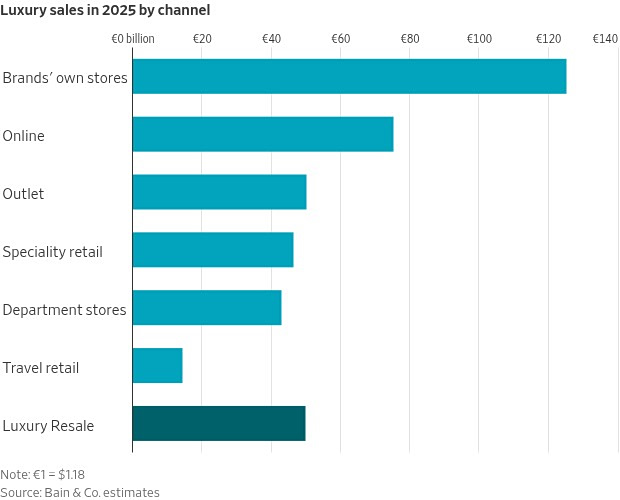
Last year, the value of the luxury resale market hit 50 billion euros for the first time, based on estimates from Bain & Co., equivalent to $59 billion at current exchange rates. The resale business is growing faster than the primary market and is now the same size as all of the trade that luxury brands do through off-price outlets—their third-largest channel by sales.
Luxury companies have an uneasy truce with the biggest resale platforms such as Fashionphile and The RealReal. Top brands including Chanel have used litigation to police what resellers can and cannot do.
To stay out of the legal crosshairs, resellers must avoid using brands’ trademarks any more than is necessary. This means they can use logos to describe the products they are selling, but can’t plaster them all over their advertising campaigns or social-media content. And they avoid creating the perception of an affiliation with luxury brands in their marketing if none exists.
The problem is the thousands of small resellers popping up every year. Luxury goods are being resold by livestream on social-media platforms, through Shopify accounts and peer-to-peer resale sites like Vestiaire Collective where image-conscious brands have no control over how their goods are shown.
New and used luxury products are increasingly sold under the same roof as department stores get in on the act. Fashionphile has a partnership with Neiman Marcus where customers can trade in their used luxury goods for credit to spend on new luxury goods at the store.
According to Boston Consulting Group, the share of secondhand goods in shoppers’ wardrobes has risen 7 percentage points to 28% since 2020. Traditional retail and newer business models such as rental and subscription services have lost out. Handbags, one of the most lucrative products for luxury brands, are particularly exposed to the shift. Young Gen Z consumers are now making nearly half of their bag purchases at secondhand retailers.
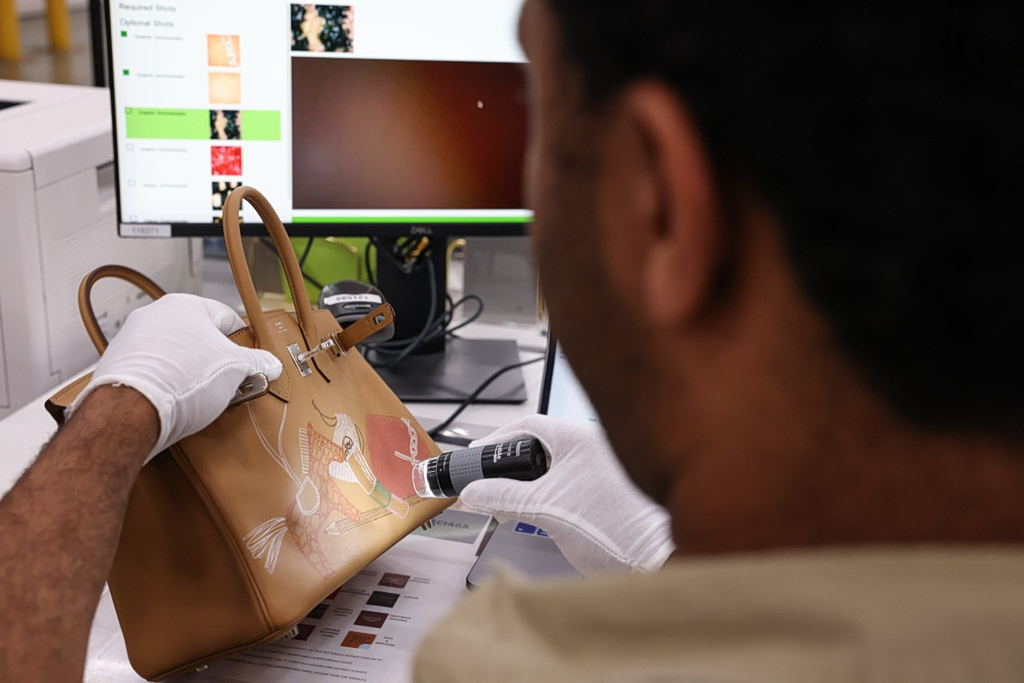
A microscope camera is used to examine the surface material and verify the authenticity of a handbag. Caitlin Ochs for WSJ
Luxury brands have experimented with resale platforms in the past. Gucci had a temporary tie-up with Vestiaire Collective. Chloe and Coach currently have initiatives that let shoppers quickly list their goods if they decide to resell them. A digital product passport imports all of the product’s authenticity data and specifications into a new resale listing.
Others are doing resale in-house but at a niche scale. Ralph Lauren sells vintage designs on its website at very high prices, including 1990s-era baseball caps for $295. LVMH -owned Rimowa lets customers bring their old suitcase to the brand’s stores to trade in for credit on their next purchase with the brand. The company then refurbishes and resells the suitcases.
Rolex could provide a template. The watch brand’s certified preowned program did more than $500 million in sales last year, according to estimates from data-analytics firm WatchCharts. It keeps tight control over how the program is run, but outsources logistics to third-party retailers who handle all of the sales and pricing. This provides a distinction from unauthorized watch flippers and is helping Rolex slowly gain control over how its products are resold.
An option for luxury brands following this model might be to create permanent, authorized secondhand programs with high-end department stores, or well-run resale platforms like Fashionphile. They could negotiate full control over how the initiative is run, in return for providing an authenticity guarantee to customers.
Luxury brands have been understandably reluctant to get involved with the messy business of selling secondhand goods. The problem is, resale is proving such a hit with consumers that they risk losing market share by staying on the sidelines.