The film producer Graham King was on vacation in the south of France when his phone rang with alarming news: Much of the footage for the Michael Jackson biopic he had recently finished shooting had to be scrapped and reshot.
The final third of the movie dealt with a 1993 lawsuit filed on behalf of a 13-year-old boy who alleged that the pop star had molested him, which Jackson denied. But Jackson’s estate belatedly realized a settlement he had signed with the boy’s family forbade it from using his story for commercial purposes.
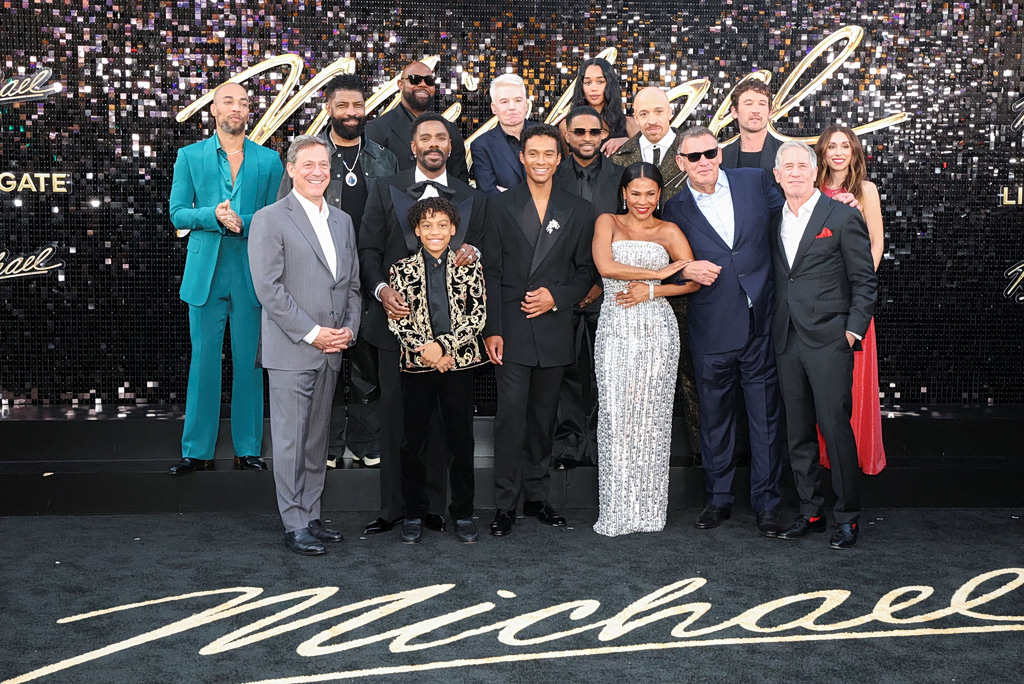
Jaafar Jackson, Colman Domingo, Miles Teller, Laura Harrier, Nia Long, Juliano Valdi, Deon Cole, Mike Myers, Kendrick Sampson and KeiLyn Durrel Jones pose with director Antoine Fuqua and the crew, as they attend a premiere for the film “Michael” in Los Angeles, California, U.S., April 20, 2026. REUTERS/Mario Anzuoni
“It was pretty crazy and surreal,” King said. “I’ve never experienced that where you finish a film and then find out you didn’t have the legal rights to tell that story.”
He and the creative team behind “Michael” had to craft a new ending to a movie already delicately designed to tell an uplifting story about a controversial protagonist. The estate paid tens of millions of dollars for the additional photography, which delayed the film’s release by a year.
The costly behind-the-scenes chaos illustrates the risks in dramatizing the life of a controversial real person. But “Michael,” which now ends before any abuse allegations occurred, is also an example of the money that can be made by showing the struggles and successes of one of the most popular entertainers in modern history on the big screen.
Despite largely negative early reviews, it is expected to open this weekend to more than $60 million in the U.S. and Canada and ultimately gross more than $500 million globally, with most of the revenue coming from overseas, according to people familiar with the matter. Prerelease surveys show interest is high with all demographic groups, but particularly strong among Black audiences, according to people familiar with the matter.
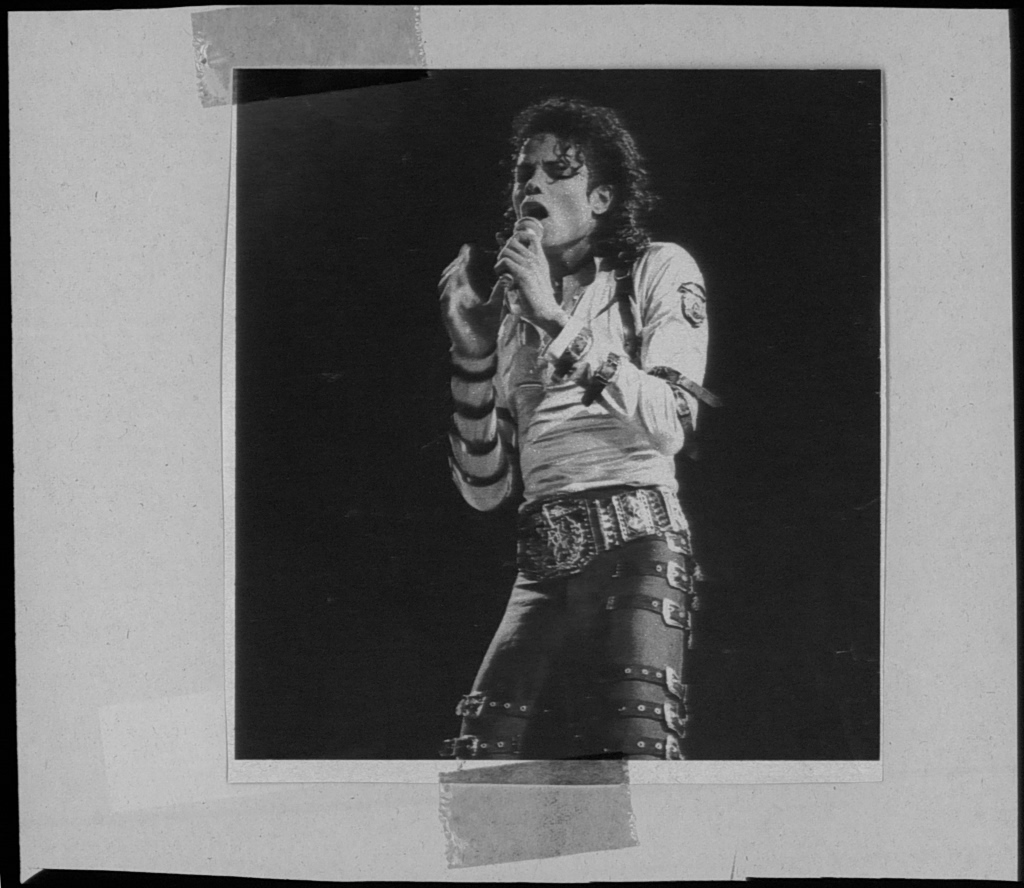
The movie’s appeal rests in large part on its re-creation of iconic performances by the Jackson 5 and Michael himself, including “ABC,” “Thriller” and “Bad.” Lionsgate Studios and Universal Pictures, which financed “Michael,” are betting audiences are willing to forget about Jackson’s alleged misconduct to enjoy an uplifting, nostalgia-soaked story.
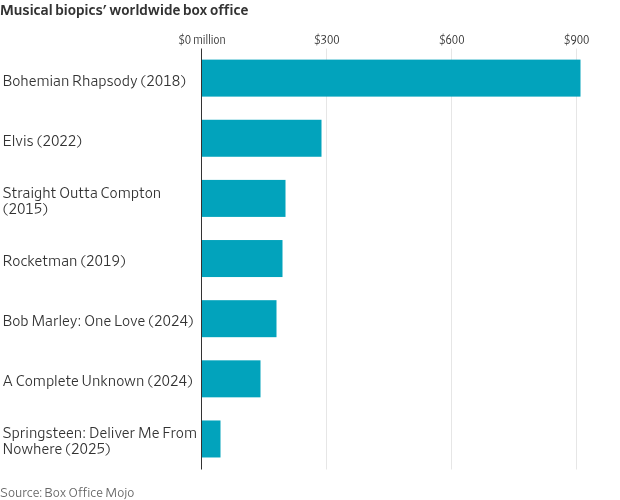
They point to the success of Broadway’s “MJ the Musical,” which doesn’t address the abuse accusations, and 2018’s “Bohemian Rhapsody,” a performance-packed movie about the band Queen that grossed more than $900 million.
Jackson’s music “resonates for people of all ages to this day,” said Adam Fogelson , chair of Lionsgate’s motion-picture group. “We did not have to educate young people on who this person is and why his music was so profoundly impactful.”
If “Michael” is as successful as its backers hope, they plan to put a follow-up covering the rest of Jackson’s life into production quickly. About one-third would likely consist of footage already shot, including performances from the 1990s Dangerous tour and the 2000s Invincible tour, Fogelson and King said.
King, after he produced “Bohemian Rhapsody,” was barraged with proposals for films about other musical artists. He wanted to make a movie about Jackson and found his estate was amenable. Initially saddled with $500 million of debt following the star’s 2009 death from an anesthesia overdose, the estate turned around its financial position with publishing-rights sales, streaming revenue and the Broadway show. “Michael” could boost its value further by increasing interest in Jackson’s music.
Around the time King started working on the movie in 2019, HBO released a documentary called “Leaving Neverland” about men who alleged they were abused as children by Jackson. While the estate called it “tabloid character assassination,” it damaged the reputation of the late singer, who was acquitted on all counts in a 2005 criminal trial involving the alleged molestation of another 13-year-old boy.
King said that he found the documentary “very one-sided” and that “my goal was to let the audience decide how they feel about him.”
But getting a studio to finance and release a Michael Jackson biopic was tricky in the wake of “Leaving Neverland.” Several studios passed before Lionsgate, a midsize Hollywood company, agreed in 2022 to release it domestically. Comcast’s Universal Pictures paid for most of the rest in exchange for international rights everywhere except Japan, where Jackson is particularly popular and a local distributor paid a hefty sum.
The biggest initial challenge was finding a lead actor who looked and sounded like the legendary pop star, danced like him and wasn’t so well-known he would overshadow the man he plays. King discovered his unlikely star when he saw videos of Michael Jackson’s nephew Jaafar singing with his father, Jermaine.
After two years of training with acting coaches and choreographers, Jaafar spent three weeks in his late uncle’s house practicing alone, then invited a small group to watch him perform “Billie Jean.” King recalled: “He had transformed himself, and he had gotten all the moves down.”
The movie originally cost nearly $150 million owing to expensive music rights, three weeks of shooting concert scenes, and visual effects to change actors’ appearances as time passed and portray Michael’s menagerie of animal friends, including Bubbles the chimpanzee.
The film was in postproduction in late 2024 when the estate discovered its error. A spokesman for the estate declined to comment on the circumstances of the costly mistake.
King, director Antoine Fuqua and writer John Logan last year created a new third act about Michael Jackson’s escaping the professional and psychological influence of his father.
Shooting the new material forced Lionsgate and Universal to delay the release of “Michael” by a year. It also allowed them to shorten a movie that originally took more than three hours to cover the early days of the Jackson 5 through Jackson’s late career, yet still felt rushed, according to Fogelson.
“We were having to race through certain parts just to keep it at that length,” he said.
“Michael” now runs about two hours. The filmmakers have a rough outline for part two, and preparations are in place to shoot later this year, which would allow it to come out in late 2027 or 2028. All that is left before pulling the trigger is ensuring the first movie is a hit.
“I would expect that we will make a decision within a couple of weeks of the film opening,” said Fogelson.
Write to Ben Fritz at ben.fritz@wsj.com