 Μake us preferred on Google
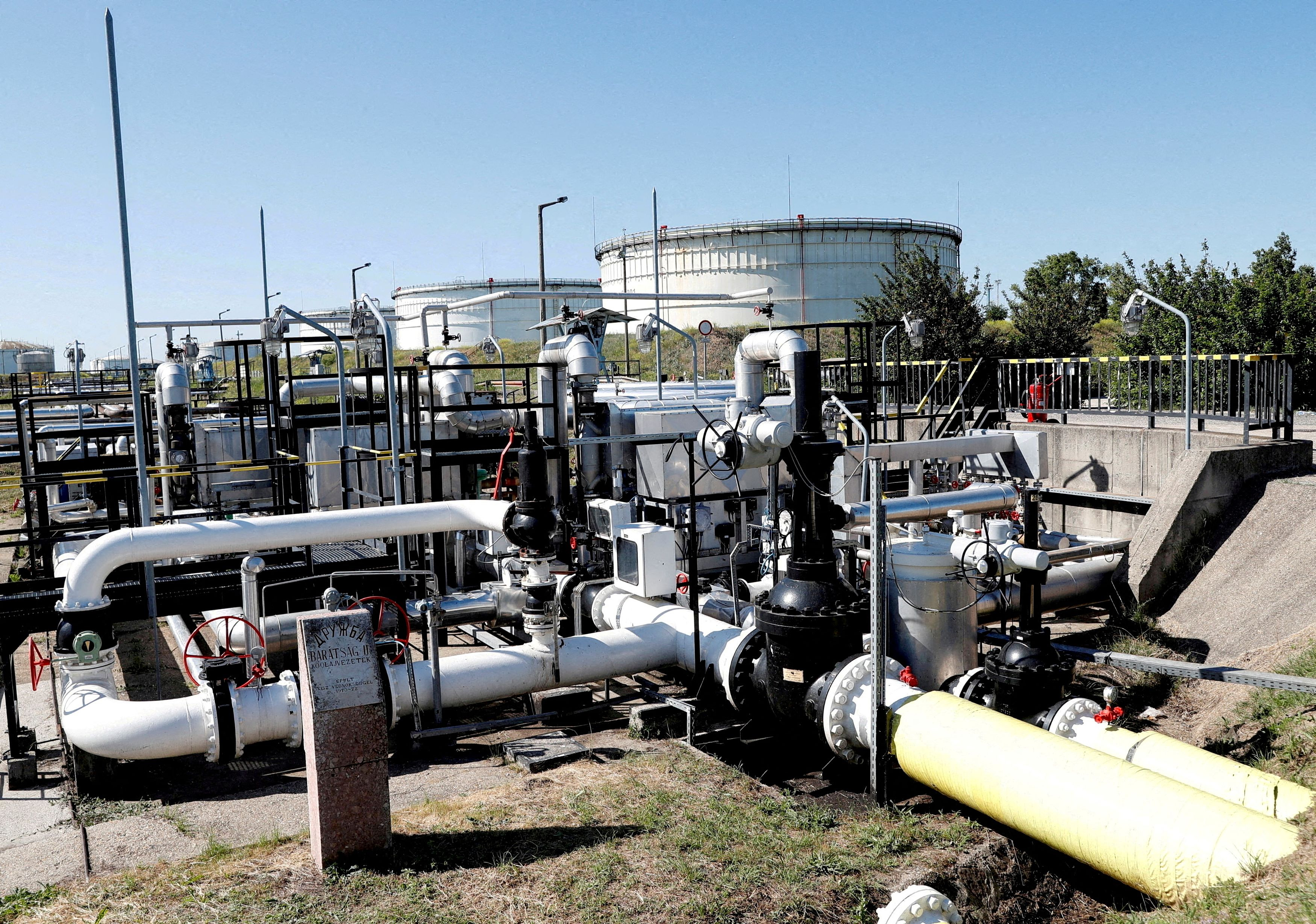
 Russian oil has resumed flowing through the Ukrainian section of the Druzhba pipeline after a suspension lasting several months, officials said on Wednesday, clearing the way for a €90 billion EU loan package for Ukraine.
The restart marks a significant development for one of Europe’s most politically sensitive energy corridors, which has been at the center of tensions since a Russian drone strike damaged the pipeline in western Ukraine and halted deliveries to Hungary and Slovakia.
As reported in Reuters, Hungarian oil group MOL confirmed that Ukraine had informed it of the resumption of Russian crude flows through the system. The company said it expected the first shipments to reach Hungary and Slovakia by the following day.
“MOL expects the first crude oil shipments following the restart of the Ukrainian section of the pipeline system to arrive in Hungary and Slovakia by tomorrow at the latest,” the company said in a statement.
An industry source said pumping resumed at 12:35 p.m. local time, while EU ambassadors meeting in Brussels subsequently approved the €90 billion loan for Ukraine, which had previously faced opposition linked to the pipeline disruption.
The Druzhba pipeline—whose name means “friendship” in Russian—has a capacity of 1.2 to 1.4 million barrels per day, with potential to reach up to 2 million. However, flows have been significantly reduced in recent years due to Western sanctions and repeated disruptions, including drone attacks.
Hungary and Slovakia, both heavily reliant on Russian oil, had accused Ukraine of delaying repair efforts, allegations Kyiv denied. Outgoing Hungarian Prime Minister Viktor Orban and Slovak officials had both expressed concern over the prolonged stoppage.
“As a European Union member state, Hungary had the power to block the loan even though it is not contributing to it,” the report noted, underscoring the political leverage tied to the pipeline dispute. The EU loan is set to cover two-thirds of Ukraine’s financing needs for 2026 and 2027 as it continues to defend against Russia’s invasion.
Ukrainian Foreign Minister Andrii Sybiha said earlier that repair commitments had been fulfilled. “We have fulfilled all our confirmations and commitments. We have done everything … and the infrastructure has been repaired,” he said, adding that cooperation should now move forward to enable Ukraine to receive the funding.
Separately, Germany was informed that no Kazakh crude would be delivered to the PCK Schwedt refinery from May, according to the economy ministry. Industry sources said Russia was expected to halt oil exports from Kazakhstan via the Druzhba pipeline from May 1, which could affect one of Germany’s largest refineries.