
 Μake us preferred on Google
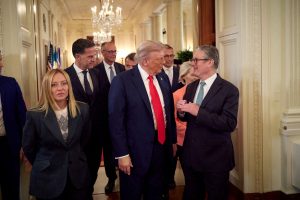
 BERLIN—European governments had been pressuring President Trump to impose stronger sanctions on Russia. Then Trump flipped the script, challenging them to halt purchases of Russian oil and put tariffs on India and China.
Now, European leaders are struggling to come up with a response.
This week, they delayed a proposed package of sanctions against Russia to figure out how to toughen it up, according to diplomats.
After speaking to the president on Tuesday, the leader of the European Commission, Ursula von der Leyen , said the new sanctions proposal would hit Russia’s banking sector with extra restrictions and punish its crypto markets and energy sector.
Separately, Trump has called on Europe to make use of frozen Russian assets held in Belgium since the start of Moscow’s invasion of Ukraine, according to people familiar with the president’s calls with the bloc’s leaders. Trump administration officials have publicly called for the European Union to make use of the funds. Europeans have been considering ways to leverage the assets to support Kyiv after being reluctant to tap them for fear of damaging the bloc’s reputation as a destination for global capital.
Europe’s scramble for answers to Trump’s challenge illustrates the problems the 27-member bloc has in coordinating a response to a bellicose Russia after the U.S. stopped direct military aid to Ukraine. It also exposes how few tools the countries have, or are willing to use, to inflict pain on Moscow. Rounds of EU sanctions haven’t crippled the Russian war machine, and a European pledge to purchase U.S. weapons to help Kyiv in its defense has faced implementation delays. Some in the bloc still depend on Russian oil and gas.
Some European diplomats contend that Trump set out his demands knowing the EU wouldn’t meet them, which would allow him to avoid exerting more economic pressure on Russia.
Heeding Trump’s call for stringent sanctions on China and India and ending purchases of Russian oil outright is a tough ask for Europe.
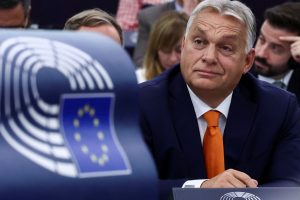
Von der Leyen said she would push for the EU to speed up its plan to end Russian oil and gas imports by 2027, but any move to stop energy imports would likely come up against the objections of Hungary and Slovakia, which are highly reliant on Russian imports. However, Hungarian Prime Minister Viktor Orban’s close ties to Trump could make him more amenable to Washington’s pressure. Much larger economies such as Germany, France and Italy are also buying Russian energy.
The bloc has ruled out using tariffs against India and China. It prefers to sanction firms and people who breach its restrictions, rather than using tariffs to put pressure on other countries, as Trump has. A number of Chinese firms are expected to be part of the new sanctions package. The EU sanctioned a major Indian refinery this summer, though new penalties against Indian firms are unlikely as Brussels seeks a free-trade agreement with India.
European leaders have long called on Trump to deploy more severe sanctions on Russia and its supporters, while their countries continue to purchase Russian energy and allow some Russian banks continued access to the Swift system, a global Belgium-based financial transactions network. Europe also shies away from secondary sanctions against nations that bankroll Moscow’s war effort.
The bloc has introduced a range of financial, energy and economic sanctions and significantly reduced its Russian gas imports. But enforcement of the measures has been weak.
Trump, so far, hasn’t followed through on his own longstanding threats to impose punitive measures against Russia , despite occasionally ratcheting up his rhetoric following particularly deadly Russian attacks on Ukrainian civilians. He did, however, impose 50% tariffs on Indian imports as punishment for the country’s buying vast quantities of Russian oil.
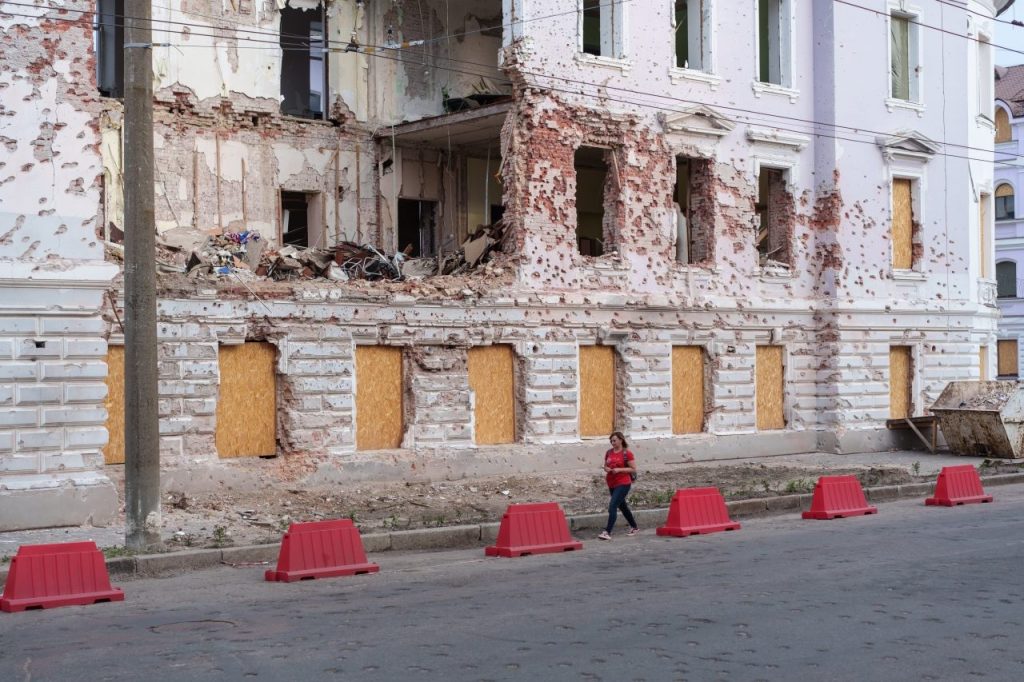
A building damaged by a Russian missile strike in Sumy, Ukraine. Photo: Serhii Korovayny for WSJ
EU capitals continue to buy energy both directly and indirectly from Russia—around $27 billion worth in 2024. Their purchases of Russian liquefied natural gas rose sharply last year. They are very reluctant to trigger a trade war with China, which remains a critical export market.
As the EU seeks to agree on its sanctions response, it is also looking at taking some of the $300 billion in frozen Russian central-bank assets. European governments have so far only used the interest on the deposits to finance Ukraine’s defense. But the calculus is shifting as war costs mount.
The vast Russian funds consist mostly of European, U.S. and British government bonds held by Euroclear, a European securities depository in Belgium. Brussels is now looking to unlock some of that money from next year.
Under one proposal, Europe would effectively loan the assets to Kyiv as EU-backed bonds. If Russia doesn’t pay Ukraine reparations at the end of the war, the EU will have to decide between honoring the bonds itself or seizing the assets to pay back Euroclear, which is what officials say is the most likely outcome.
The fund would act as a “free and unlimited subscription for armaments,” one official involved in the negotiations over the proposal said. Russia has warned it would retaliate against the confiscation of assets, including by seizing the assets of European companies still in Russia.
Write to Bojan Pancevski at bojan.pancevski@wsj.com and Laurence Norman at laurence.norman@wsj.com