 Μake us preferred on Google
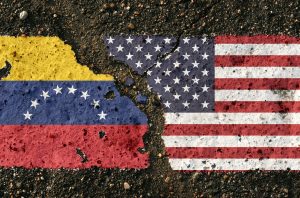
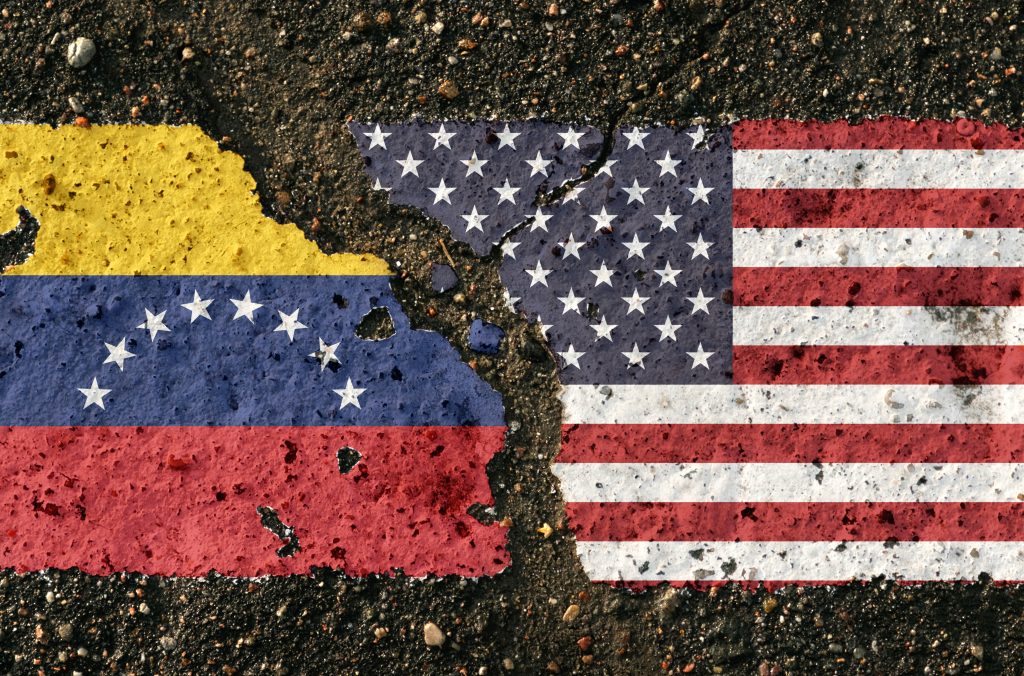
 President Trump has authorized the Central Intelligence Agency to conduct covert action in Venezuela, while also floating the idea of land strikes, in a broadening campaign against alleged drug trafficking.
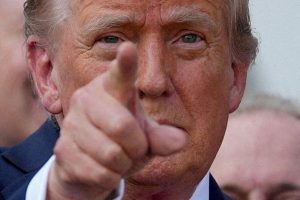
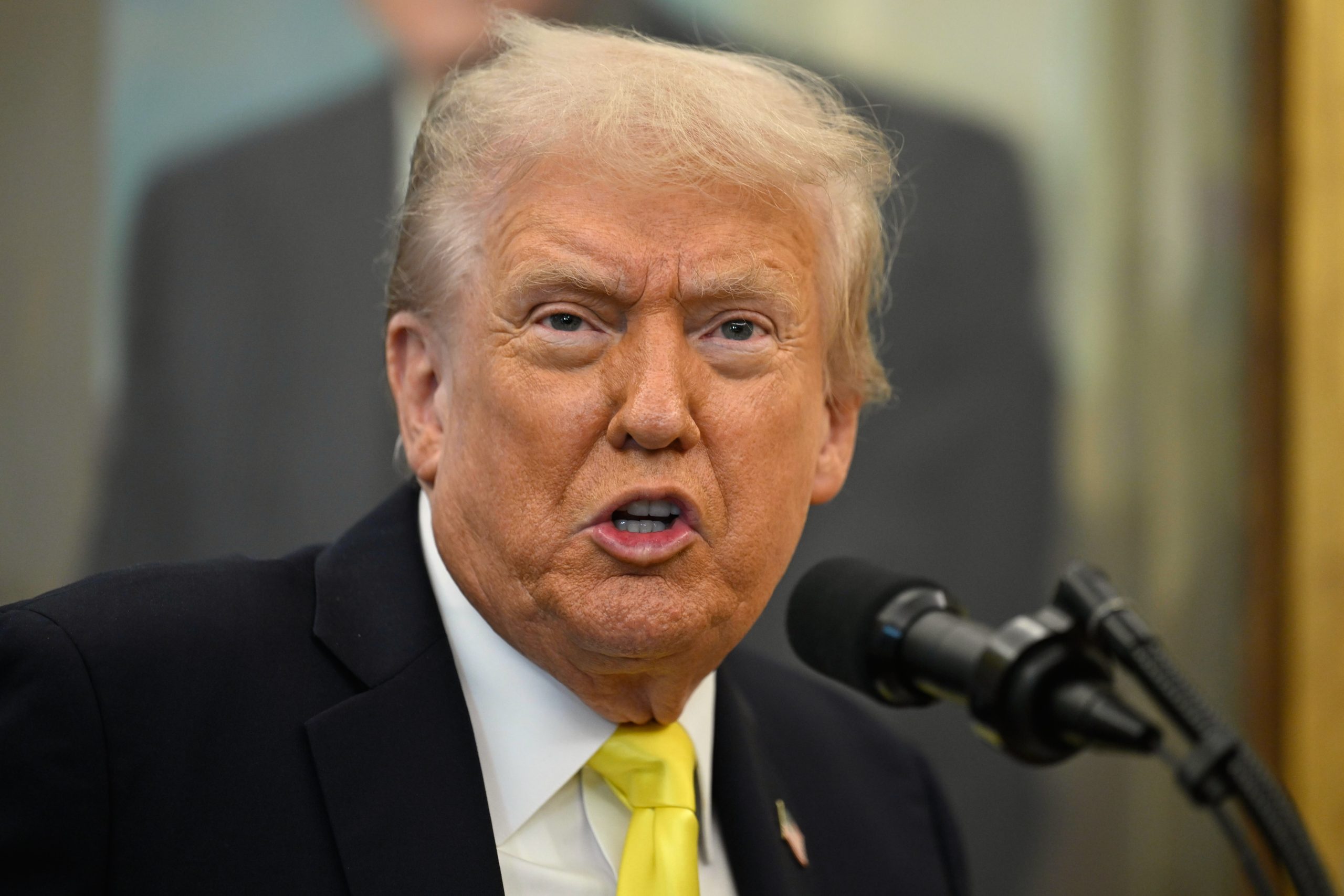
“I authorized for two reasons,” Trump said Wednesday at the White House, alleging Venezuelan leaders have “emptied their prisons into the United States of America” and “we have a lot of drugs coming in from Venezuela.”
The authorization enables the CIA to operate clandestinely in the country and potentially take action against Venezuelan strongman Nicolás Maduro , his government and drug traffickers, according to an administration official. Covert action, which is authorized in what is known as a presidential finding, can involve a range of secret activities including paramilitary and lethal operations meant to influence political, economic or military conditions in foreign countries.
Asked if the CIA had the power to remove Maduro, Trump said it was a “ridiculous question” but added, “I think Venezuela is feeling the heat.” Administration officials have argued that by designating Latin American drug cartels as foreign terrorist organizations, the U.S. has the power to use lethal force.
A CIA spokesman declined to comment. The New York Times earlier reported the CIA authorization.
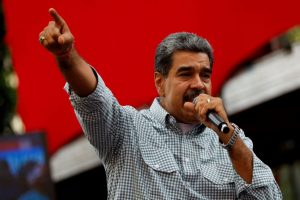
In a televised speech Wednesday night, Maduro called on the U.S. to end its pressure campaign, condemning it as an imperialist effort to loot Venezuela’s natural resources. “We don’t want war in the Caribbean nor South America,” he said, adding: “How many more coups by the CIA? Latin America doesn’t want them, doesn’t need them and repudiates them.”
The move by Trump comes amid the biggest U.S. military buildup in the Caribbean in decades, including the deployment of guided-missile destroyers, F-35B jet fighters, MQ-9 Reaper drones and a special operations ship.
CIA deputy director Michael Ellis has said that the CIA is now applying counterterrorism tactics to what has long been considered a law-enforcement issue.
“At the end of the day, we’re talking about dismantling a network,” Ellis said in May on a conservative political podcast. “And that is something that CIA has spent two decades in the war on terror learning how to do.”
On Tuesday, Trump announced the U.S. military had attacked a fifth alleged drug-smuggling vessel off the coast of Venezuela. At least 27 people have been killed in the U.S. strikes since last month. Maduro has denied that drug smuggling is occurring and denounced the U.S. strikes as a pretext of regime change, portraying them as violations of sovereignty and international law.
Trump said Wednesday that strikes could take place on suspected drug smugglers on Venezuelan soil. “We are certainly looking at land now because we’ve got the sea very well under control,” he told reporters.
“I support cracking down on the cartels and traffickers,” said Sen. Jeanne Shaheen (D., N.H.), the top Democrat on the Senate Foreign Relations Committee. “But the Trump Administration’s authorization of covert C.I.A. action, conducting lethal strikes on boats and hinting at land operations in Venezuela slides the U.S. closer to outright conflict with no transparency, oversight or apparent guardrails.”
The administration is facing questions from lawmakers on both sides of the aisle about the legality of the boat strikes. It has argued that Trump’s designation of the gangs as foreign terrorist organizations earlier this year grants the Pentagon authority to use military force against them, an argument that many experts say isn’t legally sound.
The CIA has a long history of engaging in covert action in Latin America, including operations that backed regime change in Guatemala, Chile and Nicaragua. More recently, the agency has largely shifted to working with and sharing intelligence with regional allies.
Write to Vera Bergengruen at vera.bergengruen@wsj.com , Brett Forrest at brett.forrest@wsj.com and Alex Leary at alex.leary@wsj.com