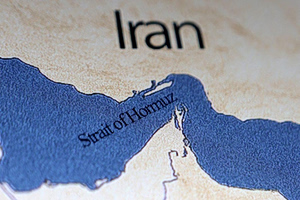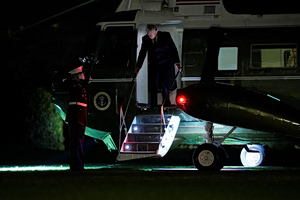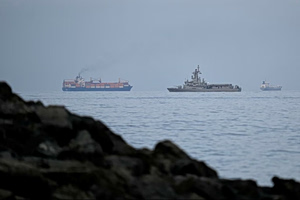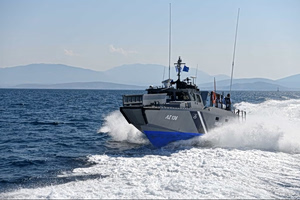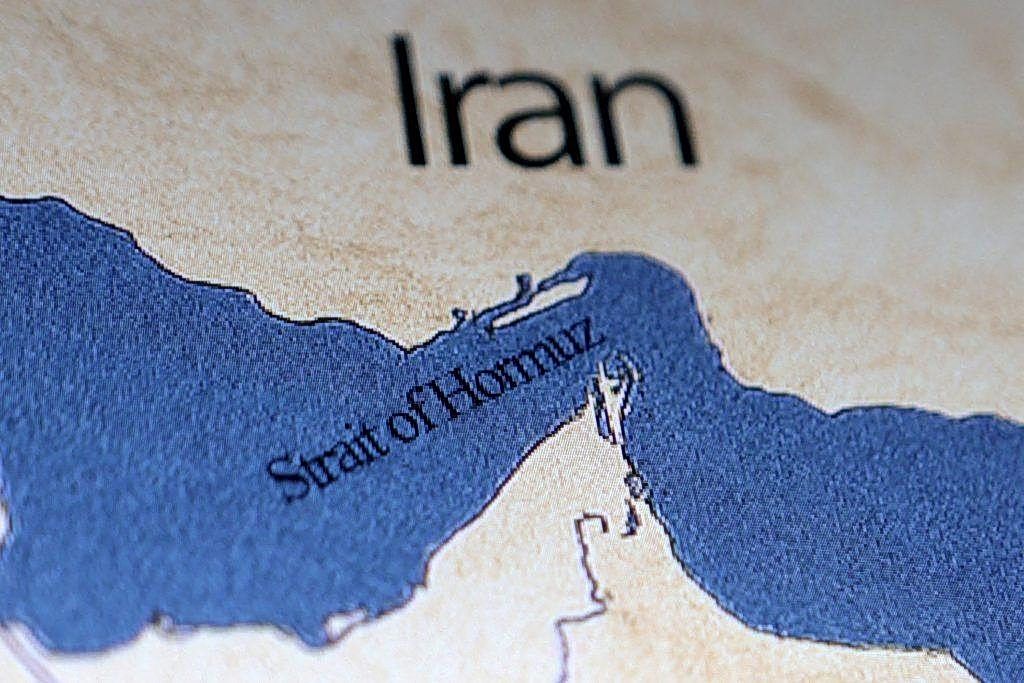
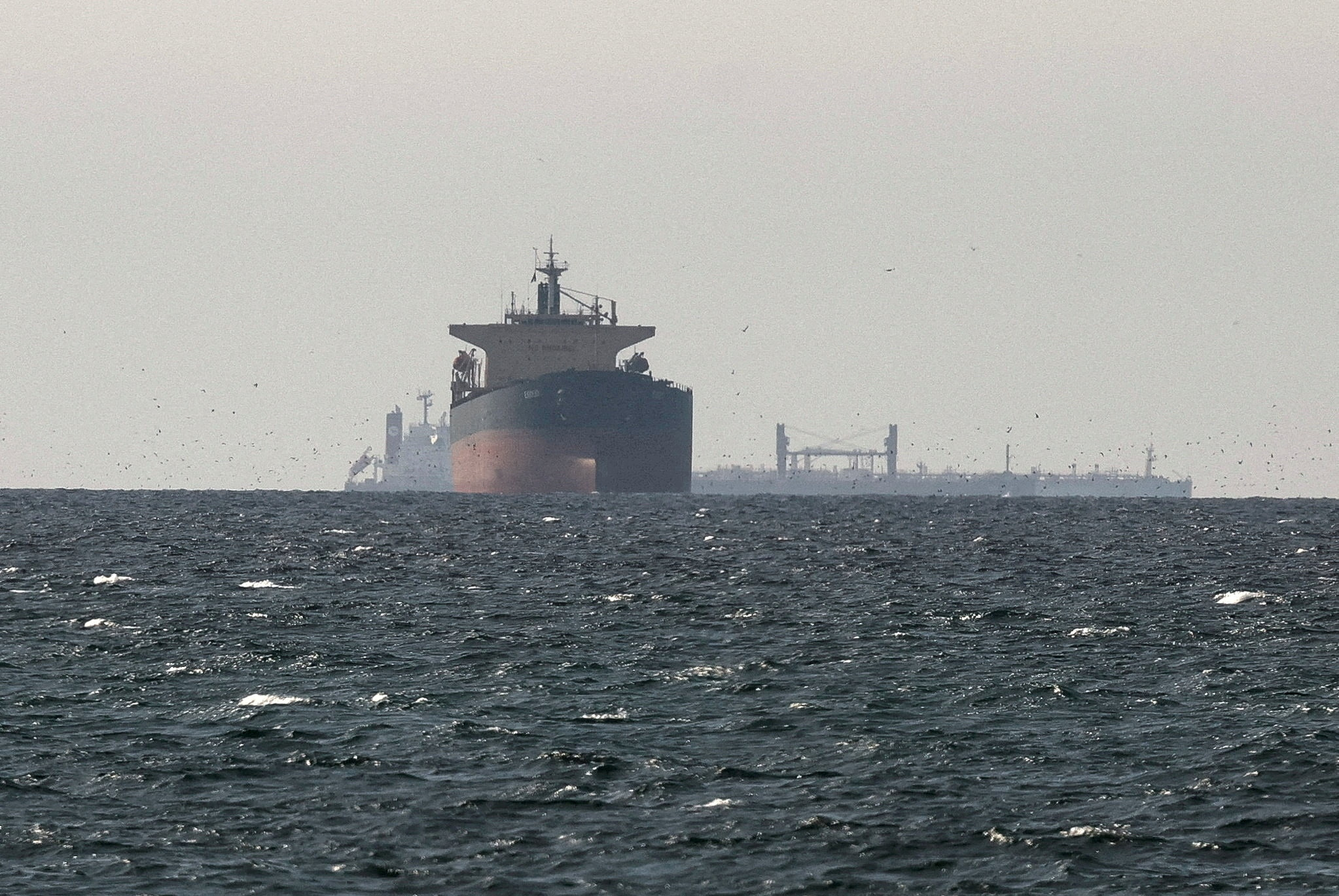
President Trump said “numerous countries have told me they’re on the way” to help fully open the Strait of Hormuz, the vital waterway that Iran has effectively closed, though he also said the U.S. didn’t need help. The U.K. and the European Union said they were discussing options for reopening the strait, but Germany rejected Trump’s call for other countries to deploy warships to protect it.
Trump also said the U.S. doesn’t know who is in charge of Iran, saying that no one knows if the country’s new supreme leader is “dead or not” because “nobody’s seen him.” Trump also called Iran a “paper tiger” and said, “They don’t have too many missiles left.”
Treasury Secretary Scott Bessent said Trump’s planned meeting with Chinese leader Xi Jinping this month could be postponed so the president can stay in Washington to coordinate the war effort.
Here is what else to know:
The IEA said it could release more oil reserves if needed to counter the disruption to supplies.
Exports of oil from Kharg Island, the energy-infrastructure hub that was bombed by the U.S., resumed Sunday, data from vessel-tracking firm Kpler shows.
Israel said it had launched a ground operation in Lebanon.
Flights at Dubai International Airport were disrupted after a drone sparked a fire nearby.
American oil executives delivered a bleak message to Trump officials: The energy crisis is likely to get worse.
In other comments, Trump confirmed he was surprised by the breadth of Iran’s retaliation following U.S. strikes on the Islamic Republic.
“Nobody thought they were going to hit” Gulf countries in response to the strikes, Trump told reporters at the White House. The Wall Street Journal reported last week that Iran’s retaliatory attacks—including the wave of missiles and drones launched across the region, from Azerbaijan to Oman—caught Trump off guard.
U.S. Allies Rebuff Trump’s Demand for Help Opening Strait of Hormuz
Meanwhile, President Trump is pressuring allies to help reopen the Strait of Hormuz and relieve pressure on the global economy. So far, most of them aren’t biting.
Germany has rejected taking part, while Japan and Australia have indicated they are unlikely to send vessels to help. Britain and France said they are assessing possible action but haven’t committed to doing anything before fighting halts. All are close U.S. allies.
On Monday, German Defense Minister Boris Pistorius dismissed Trump’s call for help, asking rhetorically what Trump expects “a handful or two handfuls of European frigates to accomplish in the Strait of Hormuz that the powerful U.S. Navy there cannot achieve on its own?”
“This is not our war. We did not start it,” he said.
Trump sent a pointed message to allies over the weekend. If countries refuse to join in the effort to open the Strait of Hormuz, “we will remember,” he told reporters on Air Force One. He said in an interview with the Financial Times that if NATO allies don’t help, “it will be very bad for the future” of the alliance, he said.
White House press secretary Karoline Leavitt said Monday that Trump “continues to speak with our allies in Europe and is calling on them for support.”
Tehran has threatened to attack any vessels trying to cross without its approval, sending oil prices soaring since the war’s start. About 20% of the world’s oil supply passed through the strait before the war began, but now the waterway is largely closed.