 Μake us preferred on Google
 The U.S. will provide Ukraine with intelligence for long-range missile strikes on Russia’s energy infrastructure, American officials said, as the Trump administration weighs sending Kyiv powerful weapons that could put in range more targets within Russia.
President Trump recently signed off on allowing intelligence agencies and the Pentagon to aid Kyiv with the strikes. U.S. officials are asking North Atlantic Treaty Organization allies to provide similar support, these people said. The expanded intelligence-sharing with Kyiv is the latest sign that Trump is deepening support for Ukraine as his efforts to advance peace talks have stalled.
It is the first time, officials say, that the Trump administration will aid Ukrainian strikes with long-range missiles against energy targets deep inside Russian territory.
While the U.S. has long assisted Kyiv’s drone and missile attacks, the intelligence sharing means Ukraine will be better able to hit refineries, pipelines, power stations and other infrastructure far from its borders, with the goal of depriving the Kremlin of revenue and oil to sustain its invasion.
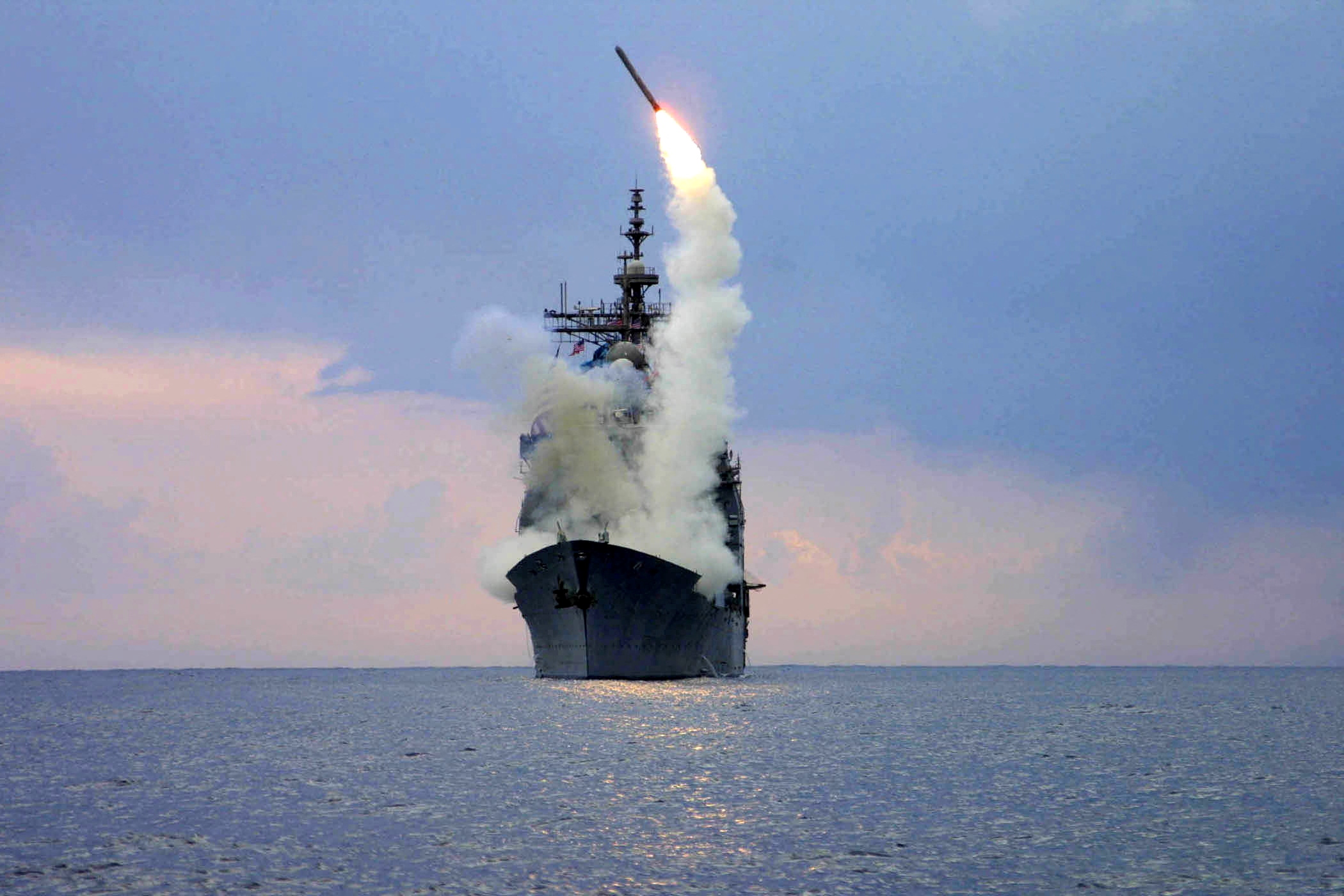
The U.S. is also weighing deliveries of Tomahawks and Barracudas and other American-made ground- and air-launched missiles that have ranges of around 500 miles, other administration officials said. No decision on what to send—if anything—has been made, the officials said.
The intelligence, combined with more-powerful weapons, could have a far more potent effect than Ukraine’s previous strikes in Russia, causing greater damage to its energy infrastructure and tying up Russian air defenses. U.S. officials are awaiting written guidance from the White House before sharing the necessary intelligence, one official said.
A spokesman for the Defense Intelligence Agency said he couldn’t comment on ongoing or active intelligence operations. A spokeswoman for the Central Intelligence Agency declined to comment.

Residents clean up after their neighborhood was hit during Russian drone and missile strikes, amid Russia’s attack on Ukraine, in Kyiv, Ukraine September 28, 2025. REUTERS/Thomas Peter
The administration recently approved the sale to Ukraine of Extended Range Attack Munitions, an air-launched missile that can travel between 150 and 280 miles. Tomahawk cruise missiles, one of the most precise U.S. weapons, have a range of around 1,500 miles.
Ukrainian President Volodymyr Zelensky revealed last week that he asked Trump for Tomahawks. Vice President JD Vance said Sunday on Fox News that the U.S. was considering Ukraine’s request.
The approval to provide additional intelligence came shortly before Trump vented his frustration with Russian President Vladimir Putin in a social-media post last week announcing that Ukraine could recover all of its seized territory, U.S. officials said. Trump had previously said Ukraine couldn’t win the fight without being able to strike inside Russia.
Ukraine has been carrying out drone attacks inside Russia for years, but the Trump administration has limited its use of the most powerful weapons and the intelligence it shares. The Trump administration stopped new deliveries of Army Tactical Missile Systems, or Atacms, which had initially been sent to Ukraine under the Biden administration.
The Pentagon imposed a review process for each time Ukrainians want to use them. That veto has prevented Kyiv from launching U.S.-supplied Atacms, which have a range of about 190 miles, into Russia since late spring. On at least one occasion, Ukraine sought to use the missiles against a target on Russian territory but its request was rejected.
Since taking office in January, Trump has sought to broker a cease-fire in Ukraine as a path toward a settlement. His initial approach—offering Putin economic and commercial incentives to halt the invasion—has failed to gain traction with the Russian leader. Negotiations to end the 3½-year war have stalled after a series of meetings between Russian and U.S. leaders.
The president has signaled that he might now be pursuing a different course. Trump has received multiple briefings in recent days on the situation on the battlefield and has been focused on Russia’s lack of territorial gains. His public comments have been critical of Russia’s progress in the war.
“Everyone thought Russia would win this war in three days, but it didn’t work out that way. It was supposed to be just a quick little skirmish. It’s not making Russia look good,” Trump said during a speech to the United Nations last week.
The Kremlin issued a restrained response to reports that America could send powerful new weapons to Ukraine.
Moscow is carefully analyzing U.S. statements about delivering Tomahawks to Ukraine, Kremlin spokesman Dmitry Peskov said Monday.
“The question remains: Who can launch these missiles, even if they end up on Kyiv regime territory?” Peskov said. “Can only Ukrainians launch them, or will the American military do so? Who is assigning the targeting to these missiles? This requires a very thorough analysis.”
European officials welcomed the move. Germany has invested around $350 million into developing Ukraine’s industrial capacity to manufacture deep-strike capabilities.
Ukraine needs assistance in three key areas of confronting Russian aggression: air defenses, the ability to hold the front line and the ability to strike deep into Russia, said Brig. Gen. Joachim Kaschke, who oversees Germany’s military aid to Ukraine. When the Ukrainian defenders are facing a numerically superior adversary, they have to take the fight beyond the front lines, Kaschke said.
“You have to cut off the supply lines to hold the front line—that is the military logic behind it,” Kaschke said.