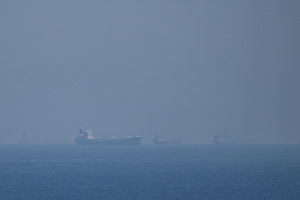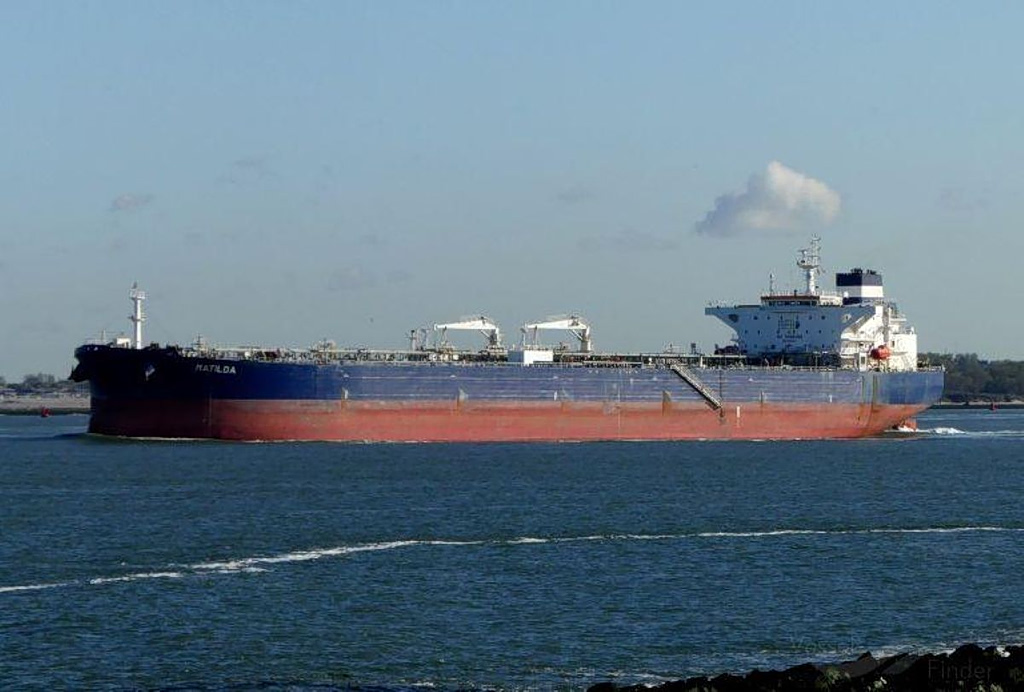

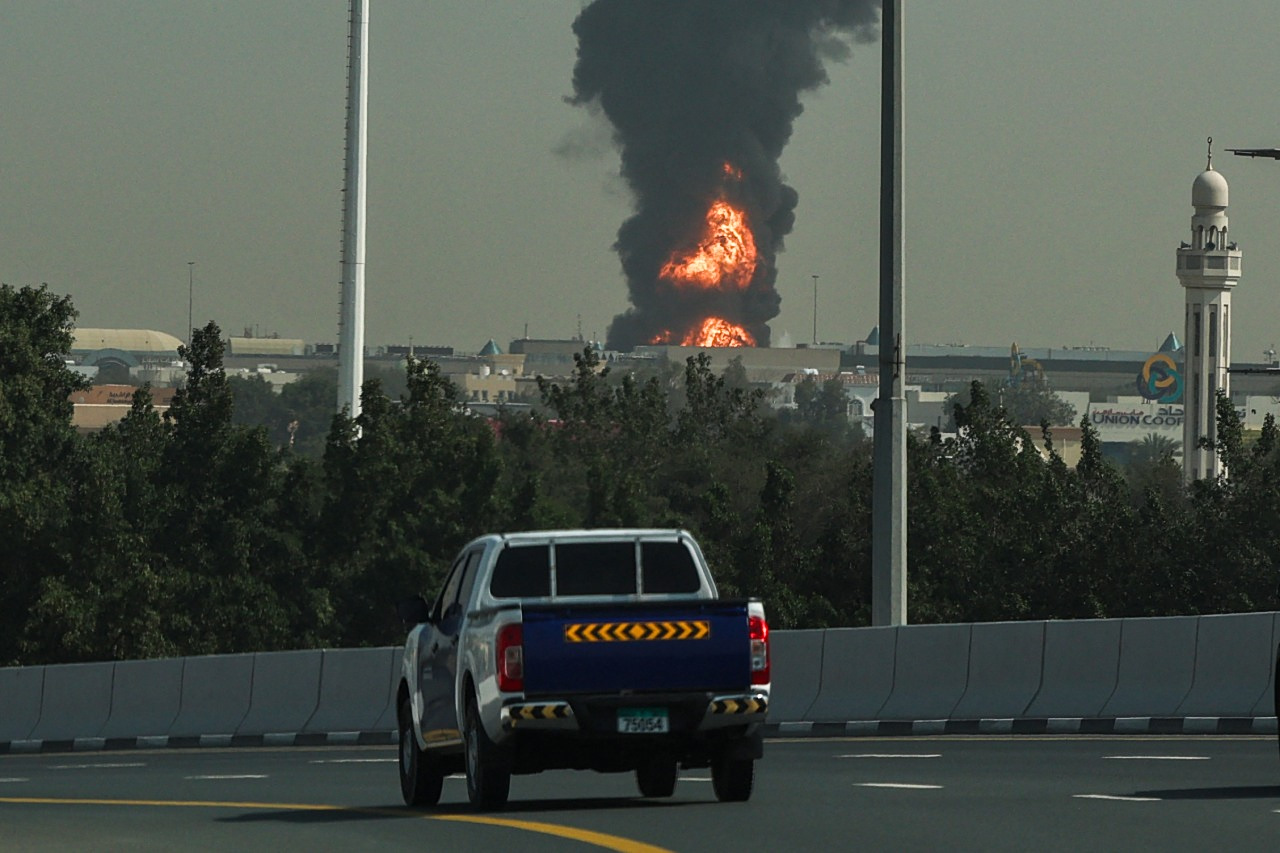
WASHINGTON—President Trump and top aides spent the weekend framing their Iran operation as a resounding military success while imploring other countries to join their effort to resolve a worsening energy crisis related to the Strait of Hormuz.
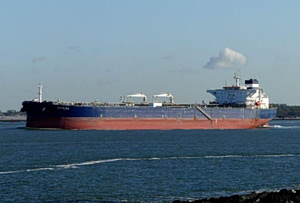
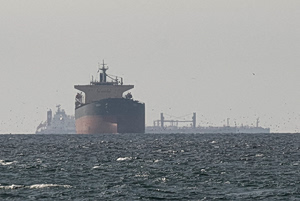
The Trump administration as soon as this week plans to announce that multiple countries have agreed to form a coalition that will escort ships through the waterway, which runs along the Iranian coast, U.S. officials said. The U.S. and potential coalition countries are still discussing whether those operations would begin before or after the war ends.
The White House declined to comment on the expected announcement, which could shift depending on battlefield conditions. Trump told reporters Sunday that the administration had reached out to seven nations for help policing the strait, but declined to say whether any had agreed to assist. For any that decline, he said, “We will remember.” Publicly, many countries have been noncommittal to such an escort mission until hostilities cease, given the risks involved, including Iran’s placement of mines in the strait.
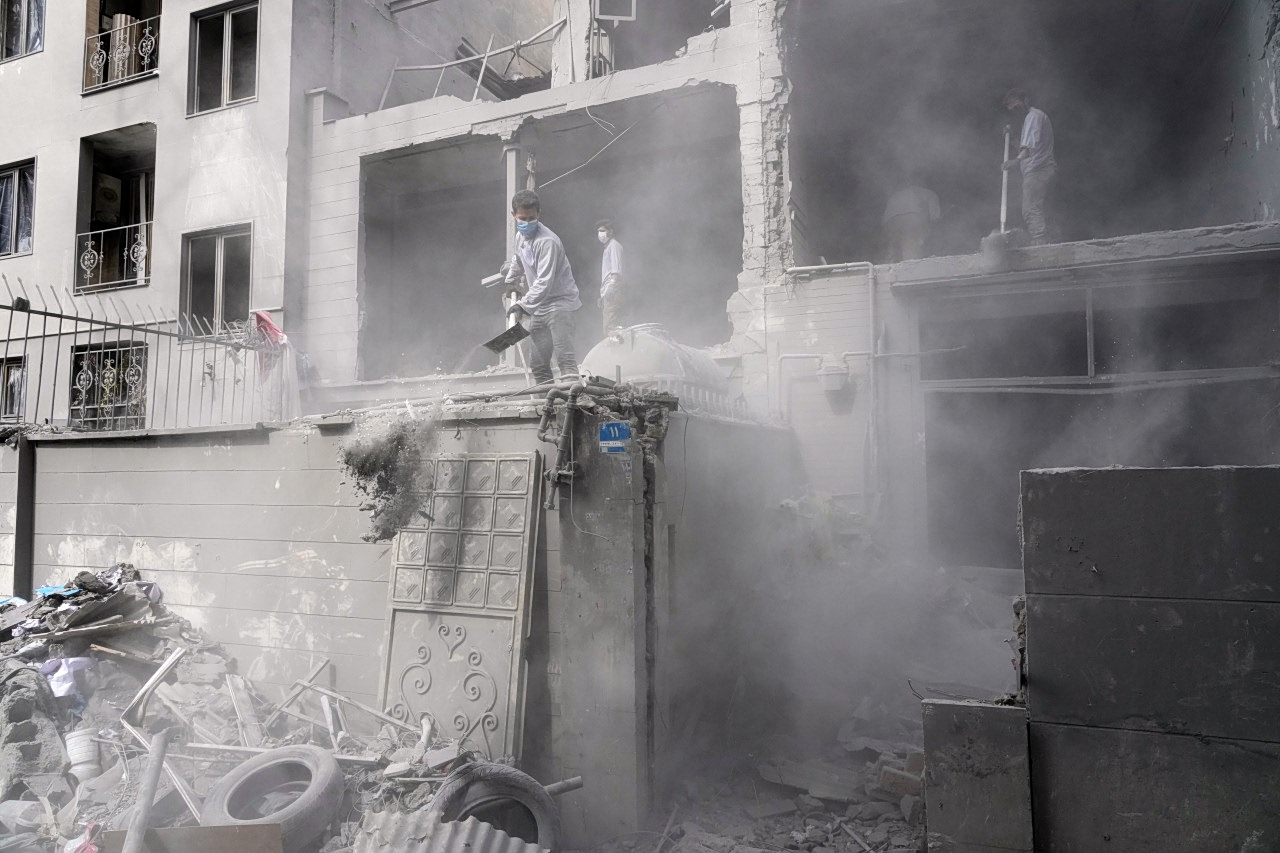
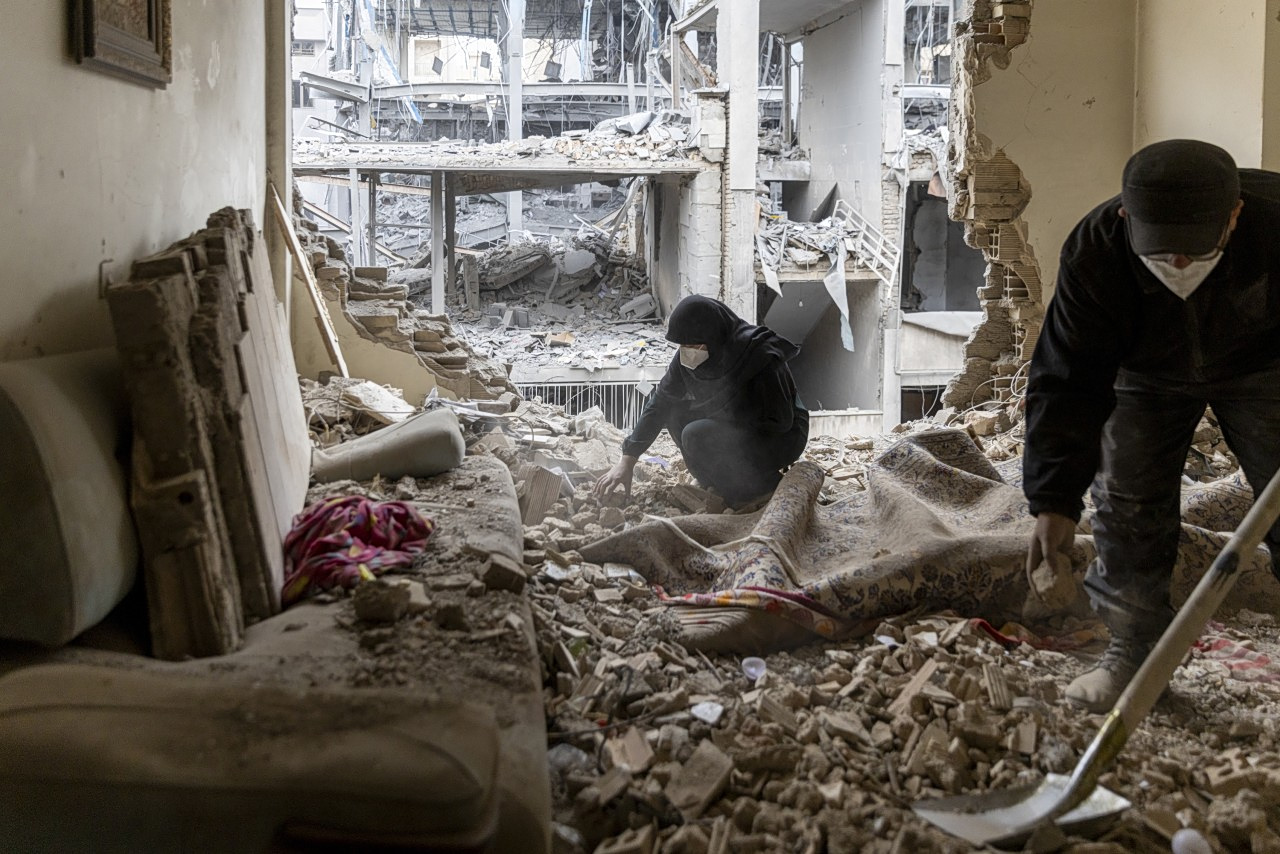
This pressure for the White House to announce such a coalition underscores the dilemma facing the administration. Gasoline prices continue to rise and questions swirl from within the Republican Party as to the endgame. The military operation has resulted in the striking of more than 6,000 Iranian targets, including the killing of Iran’s supreme leader and other top regime officials. But the strategic problems—growing instability in the Middle East, a global energy crisis and the domestic political fallout—have proven difficult to manage through bombing alone.
In a Sunday joint statement, the foreign ministers of the U.K. and members of the Gulf Cooperation Council said GCC states “have the right to take all necessary measures to defend their security and stability and protect territories, citizens and residents.”
The weekend rhetoric from Trump, Energy Secretary Chris Wright and U.S. Ambassador to the United Nations Mike Waltz came as the Iran operation entered its third week. Wright said Sunday he believed the war would end in a couple of weeks, which he predicted would lead to a decline in oil and gas prices.
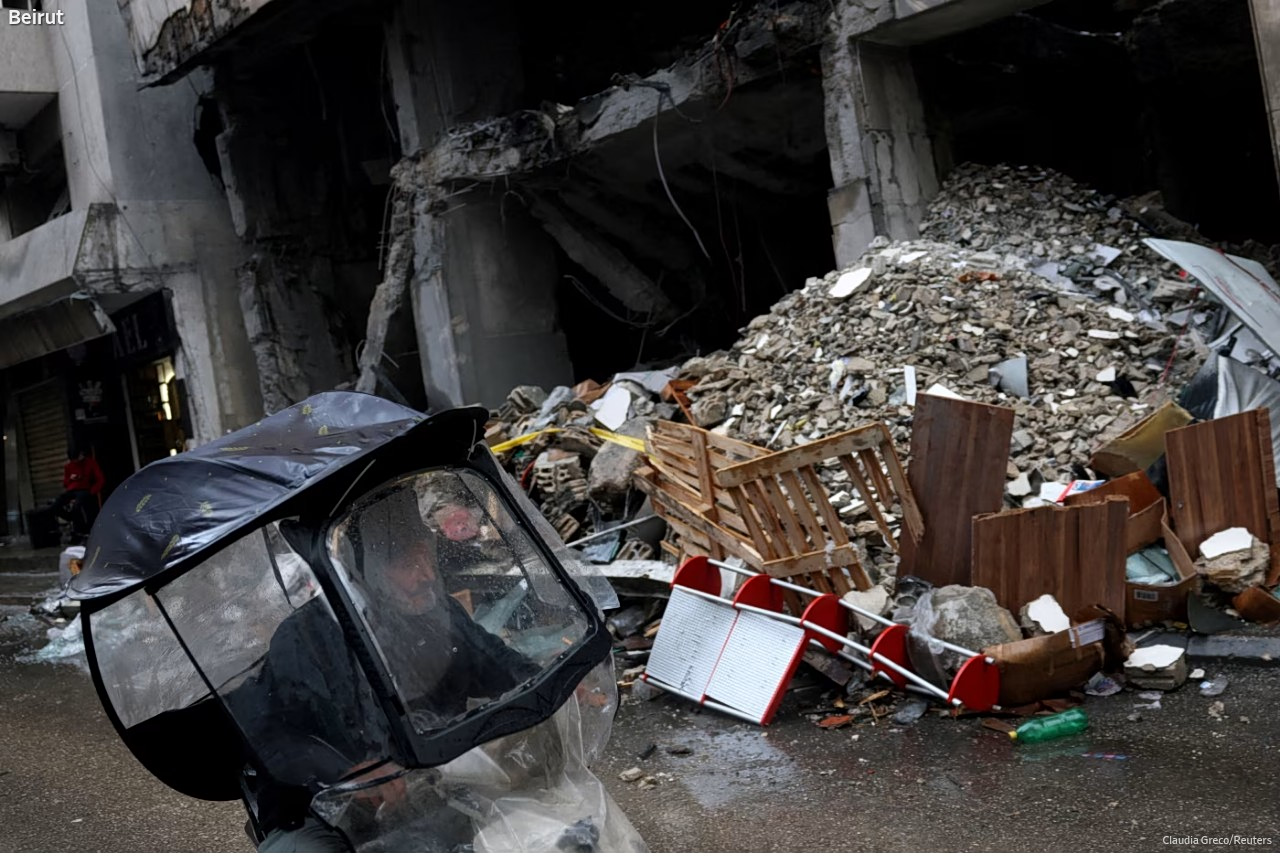
Trump, meanwhile, said the U.S. planned to bomb the Iranian shoreline along the strait. Last week, the president asserted the U.S. had won the war to stop Iran from obtaining a nuclear weapon.
The average U.S. gas price on Sunday was $3.70 a gallon, according to AAA, up 26% from $2.93 a month earlier. The cost of diesel has risen 36% over that span, from $3.66 to $4.97.
A top Iranian official said his country will continue to fight back. “We never asked for a cease-fire, and we have never asked even for negotiation. We are ready to defend ourselves as long as it takes,” Iranian Foreign Minister Abbas Araghchi said Sunday on CBS News’ “Face the Nation.” After failed negotiations with the U.S., “we don’t see any reason why we should talk with Americans.”
Trump’s bet is that Iran will break under severe military pressure, despite its initial stiff resistance, as its weapons capabilities take a pounding.
But Suzanne Maloney , an Iran specialist and foreign-policy vice president at the Brookings Institution think tank, said Trump won’t swiftly get the full capitulation he seeks.
“There’s a striking disconnect between the U.S. and Israeli operational achievements and the disastrous fallout for the global economy and broader U.S. national-security interests,” she said. The White House can sell Iran’s significant military and nuclear losses as victory, “but if it comes at the cost of a major recession, it won’t mean much for Republicans in the midterms, and the Iranians are counting on outlasting the U.S.”
Kevin Hassett , director of the White House’s National Economic Council, said the administration factored energy and economic disruptions into its decision to attack Iran. “If Iran thinks that they’re going to get President Trump to back down because they’re going to make our economy weak, then they just don’t understand economics,” he said Sunday on Fox News.
At this point, some U.S. officials and analysts say, Trump has three imperfect options.
He could end the U.S. role in the war, preventing a wider conflict but emboldening a hard-line Iranian regime that will claim victory and try to rebuild its arsenal. The president could continue the war, further decimating Iran but risk adding to the total of 13 killed American servicemembers as energy prices surge. Or the U.S. and Israel could stop bombing now but plan to resume military strikes against Iran every year or so to keep it weak—a perpetual cycle of on-and-off war.
What pathway Trump chooses depends on what his aims truly are. Over two weeks of war, explanations have included regime change and fully degrading Iran’s military power, and the timeline for withdrawal has moved from a few days to whenever Trump feels it in his “bones.” The White House has denied that Trump’s objectives have shifted.
Trump has called for the elimination of Iran’s military and nuclear capabilities , as well as a pliant Tehran that caters to Washington’s demands, similar to Venezuela’s turn toward the U.S. after the operation to seize autocratic leader Nicolás Maduro .
That is unlikely to happen short of regime change, said Nicole Grajewski , an expert on Iranian strategy at Sciences Po in Paris. “I don’t see the Iranians unconditionally surrendering,” she said, adding that the last time Tehran did so was in an 1800s treaty with the Russian Empire, when it ceded territory in the Caucasus. “They still complain about it on talk shows.”
Restoring trade shipments through the Strait of Hormuz is “going to be an increasing focus of our military going forward,” Wright said Sunday on NBC News’s “Meet the Press.”
More than 65 Iranian naval vessels have been severely damaged, destroyed or sunk, including four Soleimani-class ships, upward of 30 minelayers and a drone carrier, the White House said. U.S. forces hit a large one-way attack-drone factory while warplanes fly deeper into Iranian territory after the weakening of Tehran’s missile and air-defense capabilities.
“This has been a dominant victory the likes of which we haven’t seen in modern American military history,” Waltz told CNN on Sunday. “The U.S. military will continue to pound the Iranian military, and their missile, boat and drone forces to keep the straits open.”
The administration has published a heavy stream of video on social media showing war footage, interspersed with pop-culture media such as imagery from the videogame franchise “Call of Duty.” A White House official said that people who criticize the videos for being insensitive or for gamifying war are rooting against America’s mission.
But not everyone in the White House supports this approach.
“This is a good time to declare victory and get out,” said the tech investor David Sacks , an adviser to Trump on artificial intelligence, on his “All In” podcast. He urged Trump to ignore the “neocon wing of the party” and follow his political instincts to avoid a prolonged conflict. “Wrap this thing up.”
Escalating the conflict through strikes to oil-and-gas infrastructure could result in a “catastrophic” outcome, including nuclear war, Sacks said. “If escalation doesn’t lead anywhere good, then you have to think about, well, how do you de-escalate? And de-escalation, I think, involves reaching some sort of cease-fire agreement, or some sort of negotiated settlement, with Iran.”
Trump has called upon other countries reliant on safe passage through the Strait of Hormuz to assist with the transit of the roughly 20% of the world’s oil that flows through it, a request allies are considering even though Trump has targeted them with tariffs and those countries broadly oppose the war. Sacks on X called it a “smart strategy.”
Others are pushing for continued U.S. military engagement. Sen. Lindsey Graham (R-S.C.), who encouraged Trump to launch the war, on Saturday cheered the U.S. operation against Kharg Island, Iran’s main oil-export terminal. Graham wrote “Semper Fi”— the motto of the U.S. Marine Corps—on social media.
Defense Secretary Pete Hegseth recently approved a request from U.S. Central Command, responsible for American forces in the Middle East, to move a Marine expeditionary group , among others, to the region, The Wall Street Journal previously reported.
Neither Hegseth nor anyone else in the administration has disclosed what the group’s mission will be.
Write to Alexander Ward at alex.ward@wsj.com , Lindsay Ellis at lindsay.ellis@wsj.com and Robbie Gramer at robbie.gramer@wsj.com