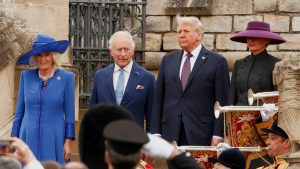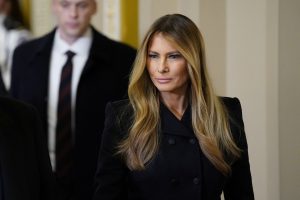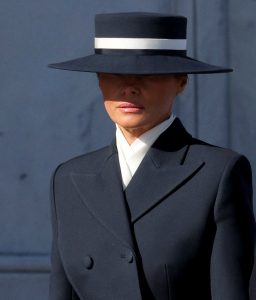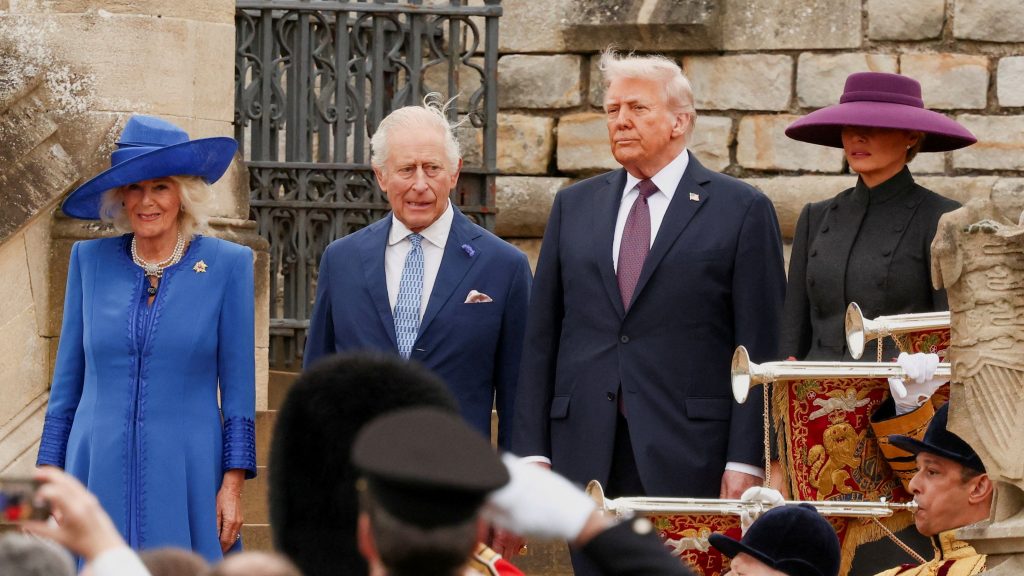

Melania Trump moves deliberately and openly into the foreground as the narrator of her own story. The first trailer for Melania, an Amazon MGM Studios documentary, has been released, already sparking debate over both its content and its political and cultural implications.
The preview opens with a scene tinged with cinematic irony: Melania speaks on the phone with Donald Trump from a gold-toned bathroom. “Hello, Mr. President, congratulations,” she says. “Did you see it?” he asks. “No, I’ll watch it on the news,” she replies—cool, distant, and faintly self-aware. From the outset, the film signals a willingness to play with the public image that long defined her as silent and elusive.
Directed by Brett Ratner, the documentary is set for theatrical release on Jan. 30, 2026, before arriving on Prime Video. It focuses on the 20 days leading up to the 2025 inauguration, as Melania prepares to return to the role of First Lady. “Everyone wants to know,” she says in the trailer. “Well, here it is.” What follows is a carefully edited sequence of White House tours, Air Force One departures, meetings with world leaders, and curated moments of family life.
According to Amazon MGM, the film offers unprecedented access to that transition period, including private conversations and high-level meetings. Melania Trump also serves as a producer, maintaining firm control over how her story is told. Reports that Amazon paid around 40 million dollars for the rights underscore the project’s strategic importance, reinforced by Jeff Bezos’s high-profile presence at the inauguration.
After its cinema run, Melania will expand into a docuseries tracking her movements between New York, Florida, and Washington as Donald Trump returns to power following the 2024 election. Ratner’s involvement, while controversial due to past allegations, adds another layer of attention to a project that appears less like a simple record and more like a tightly managed narrative reset.
Whether viewed as political documentation or personal branding, Melania positions its subject not as a bystander to history, but as an active voice shaping how it will be remembered.