Greek CO2 emissions decreased by 38.5% between 2013 and 2024, according to Eurostat, recording one of the highest reductions in the common bloc, above the EU average of 34%.
Greece was placed in the second tier of countries based on its positive performance in greenhouse gas emissions, along with Portugal, the Netherlands, Poland, and Slovakia.
Bulgaria, Finland, Germany, Czechia, Slovenia, Ireland, and Estonia led the way in the EU with CO2 reductions of over 40%.
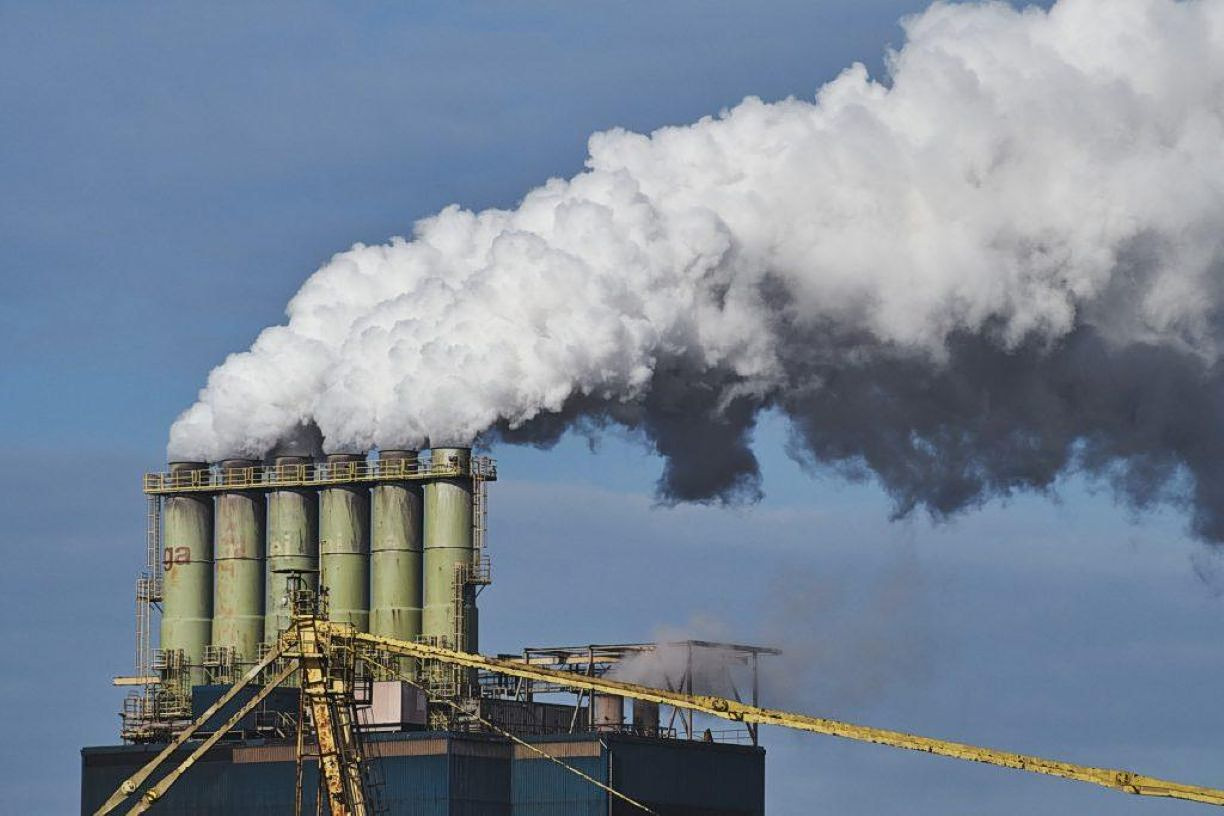
In 2024, greenhouse gas emissions from EU economic activities and households totaled 3.3 billion tons of CO₂ equivalents. This represents a 1% decrease compared with 2023 and a 20% reduction compared with 2013.
Between 2013 and 2024, the EU energy sector (electricity, gas, steam and air conditioning supply) recorded both the largest percentage reduction and the largest absolute decrease, with emissions down 49% (−512 million tons of CO₂ equivalents).
Greenhouse gas emission intensity measures the amount of emissions (expressed in CO₂ equivalents) generated per unit of gross value added (measured in euros) in an economy. It is an indicator of the climate efficiency of economic output.
The reduction in EU greenhouse gas emission intensity between 2013 and 2024 reflects a combination of lower emissions from the EU economy and a 20% increase in gross value added over the same period.
The largest declines were recorded in Estonia (−64%), Ireland (−50%) and Finland (−44%). Malta was the only EU member state to register an increase in emission intensity over the period, rising by 17%.