The first days of COP30 in Belém, Brazil, have produced a burst of announcements and political signalling, yet negotiators and analysts warn that the central challenge facing the summit remains unchanged: the widening gap between what leaders announce and what countries actually deliver. As the Amazon-hosted COP30 opening moves into its mid-phase, discussions are unfolding against a backdrop of worsening emissions trends and a climate-finance system that continues to fall far short of quantified needs.
A World Still Off-Track
According to the latest UNEP Emissions Gap Report, global warming is projected to reach around 2.8°C under current policies and roughly 2.5°C if all conditional and unconditional Nationally Determined Contributions are fully implemented. UNEP also finds that keeping warming to 1.5°C would require global greenhouse gas emissions to fall 55% by 2035 compared to 2019 levels. Instead, emissions remain near record highs, and the remaining carbon budget for 1.5°C is rapidly approaching exhaustion.
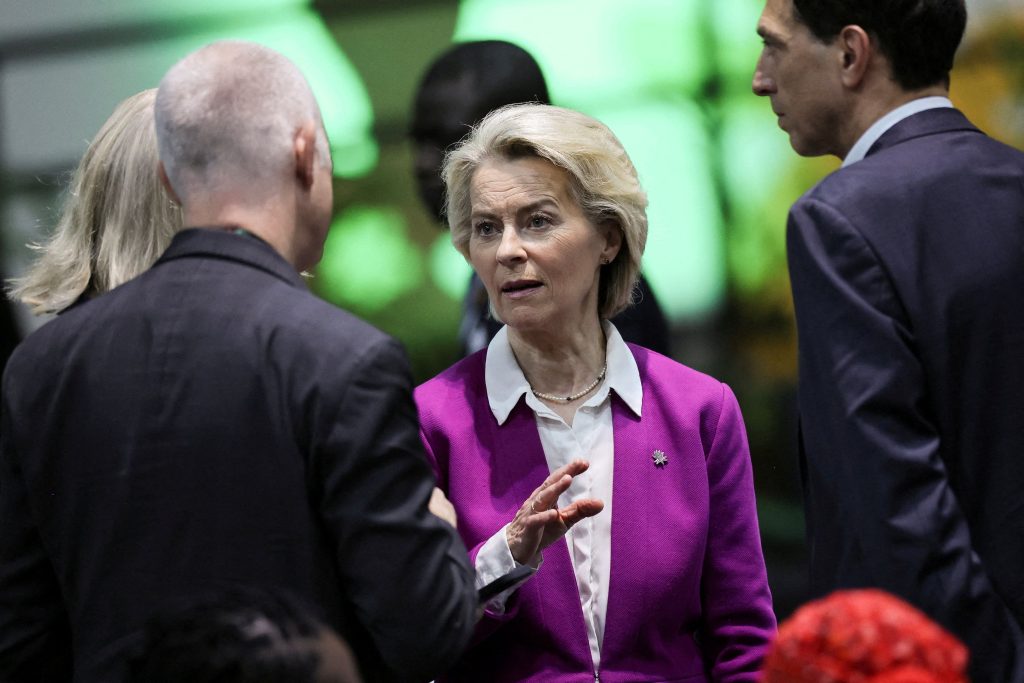
European Commission President Ursula von der Leyen attends the opening of the Belem Climate Summit plenary session, as part of the United Nations Climate Change Conference (COP30), in Belem, Brazil, November 6, 2025. REUTERS/Adriano Machado
Climate Finance Shortfalls, and Bill & Melinda Gates Foundation’s $1.4B Adaptation Boost
In climate finance, the OECD reports that developed countries provided and mobilised approximately US$115.9 billion for developing countries in 2022—finally surpassing the long-promised US$100 billion annual target, but two years behind schedule. At the same time, UNEP estimates that developing countries require between US$215 billion and US$387 billion per year for adaptation needs by 2030, pointing to a widening gulf between needs and actual flows.
Concurrently, negotiations are underway on a new global adaptation finance goal to replace the political pledge made at COP26 to double adaptation finance by 2025. Developing countries are pressing for far higher and more predictable funding, but no numerical agreement has emerged, and progress is not expected until later in the summit.
One of the few concrete financial commitments announced during the first days came from the Bill & Melinda Gates Foundation, which unveiled a US$1.4 billion package over four years to support climate-adaptation solutions for smallholder farmers in Africa and South Asia. While this represents a fully allocated, time-bound commitment, the initiative does not yet include measurable public targets for its intended outcomes.
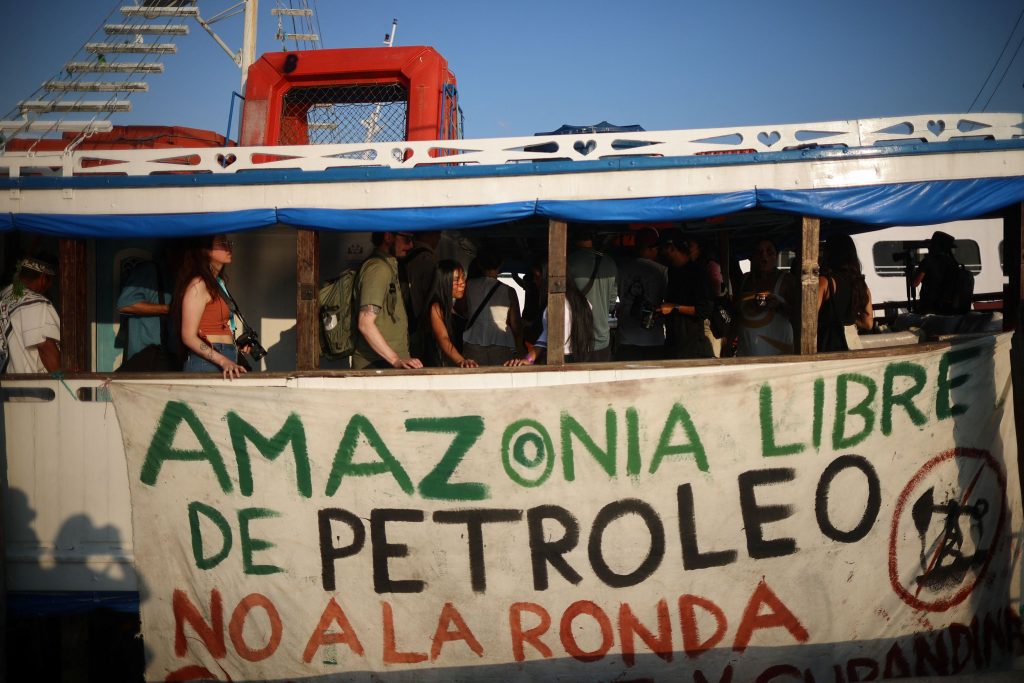
A sign hangs from a boat after a flotilla carrying Indigenous representatives from across Latin America arrived in Belem, ahead of the UN Climate Change Conference (COP30), in Brazil, November 9, 2025. REUTERS/Adriano Machado
The Tropical Forest Forever Facility Takes Shape
Against this backdrop, the COP30 opening highlighted strong Amazonian symbolism and a series of high-profile forest-focused announcements. Chief among them was Brazil’s announcement of the Tropical Forest Forever Facility, a proposed blended-finance mechanism designed to provide long-term payments to tropical forest countries for maintaining forest cover.
More than US$5.5 billion in initial pledges has been signalled toward a US$125 billion long-term capitalisation target. Early design proposals suggest that the facility intends to use satellite-verified forest monitoring, exclude financing linked to fossil fuels or high-deforestation risk, and allocate a significant share of resources to Indigenous Peoples and Local Communities. However, the mechanism remains in design mode: key operational elements—including baselines, methodologies, verification rules and disbursement procedures—have yet to be formalised.
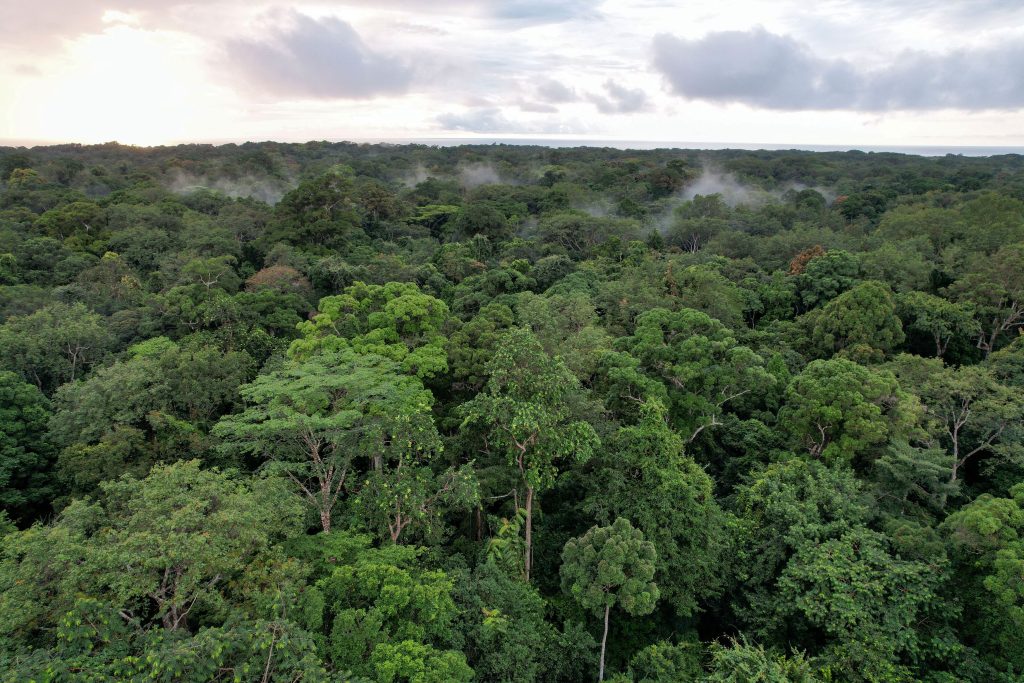
FILE PHOTO: Aerial view of Gabonese rainforest, in Arboretum Raponda Walker, Gabon, October 11, 2021. Picture taken October 11, 2021. Picture taken with a drone. REUTERS/Christophe Van Der Perre/File Photo
SAFs, Wildfire Resilience and Hunger in Focus
The Leaders’ Summit on 7 November delivered several political declarations: a pledge to increase sustainable aviation fuel production, a Call to Action on Wildfire Resilience and the Belém Declaration addressing hunger, poverty and human-centred climate action. While these statements signal political intent, they do not include quantified targets, deadlines, financial commitments or binding reporting obligations. Their practical impact will depend on whether countries integrate them into the next round of national climate plans due in 2026.
The COP30 opening has also revealed the elevated the role of cities, which account for more than 70% of global emissions yet face structural challenges in accessing climate finance. The summit has underscored the importance of municipal-level climate action, but no new financing has been committed to local authorities.
In parallel, companies aligned with the Global Renewables Alliance released an advocacy statement urging governments to accelerate renewable energy deployment and energy-efficiency improvements. These positions, however, represent calls to action rather than binding corporate commitments, with no company-specific targets or investment plans disclosed.
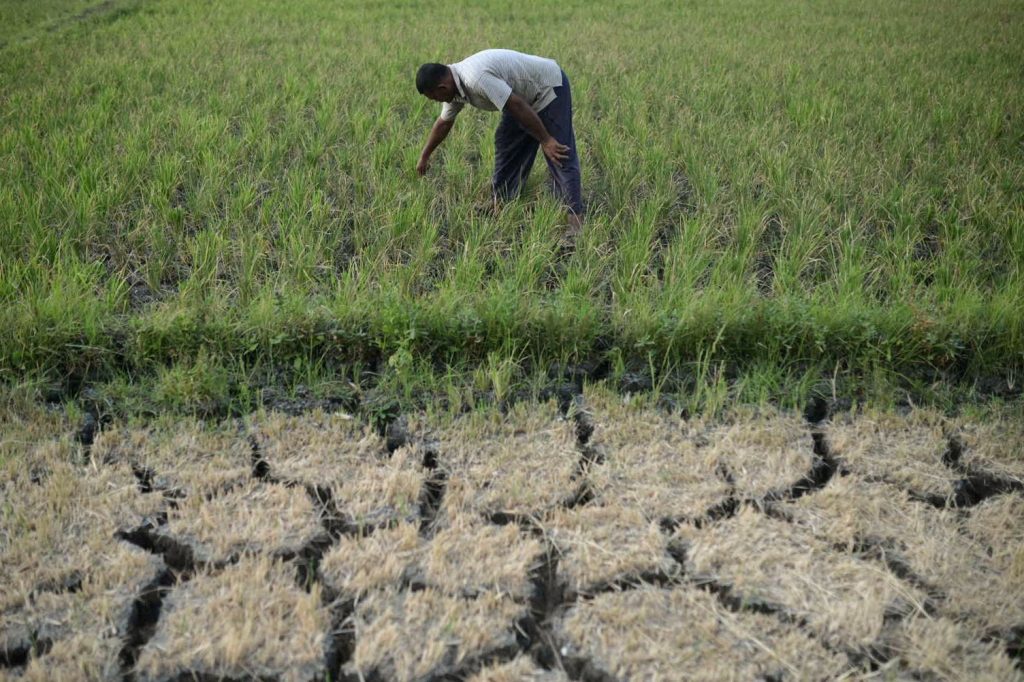
FILE PHOTO: Hasan Basri, 55-year-old farmer, pulls out his rice that failed to be harvested due to a prolonged drought in Aceh Besar, Indonesia, July 31, 2024. REUTERS/Riska Munawarah/File Photo
COP30 Opening Hints Major Climate Diplomacy Breakthroughs Unlikely
So far, COP30 has placed significant attention on forests and human-centred climate action, and a small number of concrete, funded commitments have emerged. Yet it remains uncertain whether the prevailing political environment will enable the summit to overcome the persistent challenge of converting declarations into quantified, accountable and adequately funded commitments. With emissions rising and finance gaps widening, Week Two will determine whether COP30 becomes a milestone—or merely another missed opportunity.