 Μake us preferred on Google
 The UN climate conference opened this week in the Amazon city of Belém under a cloud of geopolitical tension and reduced ambition from several major emitters. The high-level Leaders’ Summit, which began on November 6, marked the official start of COP30- the first UN climate summit ever hosted in the Amazon Basin.
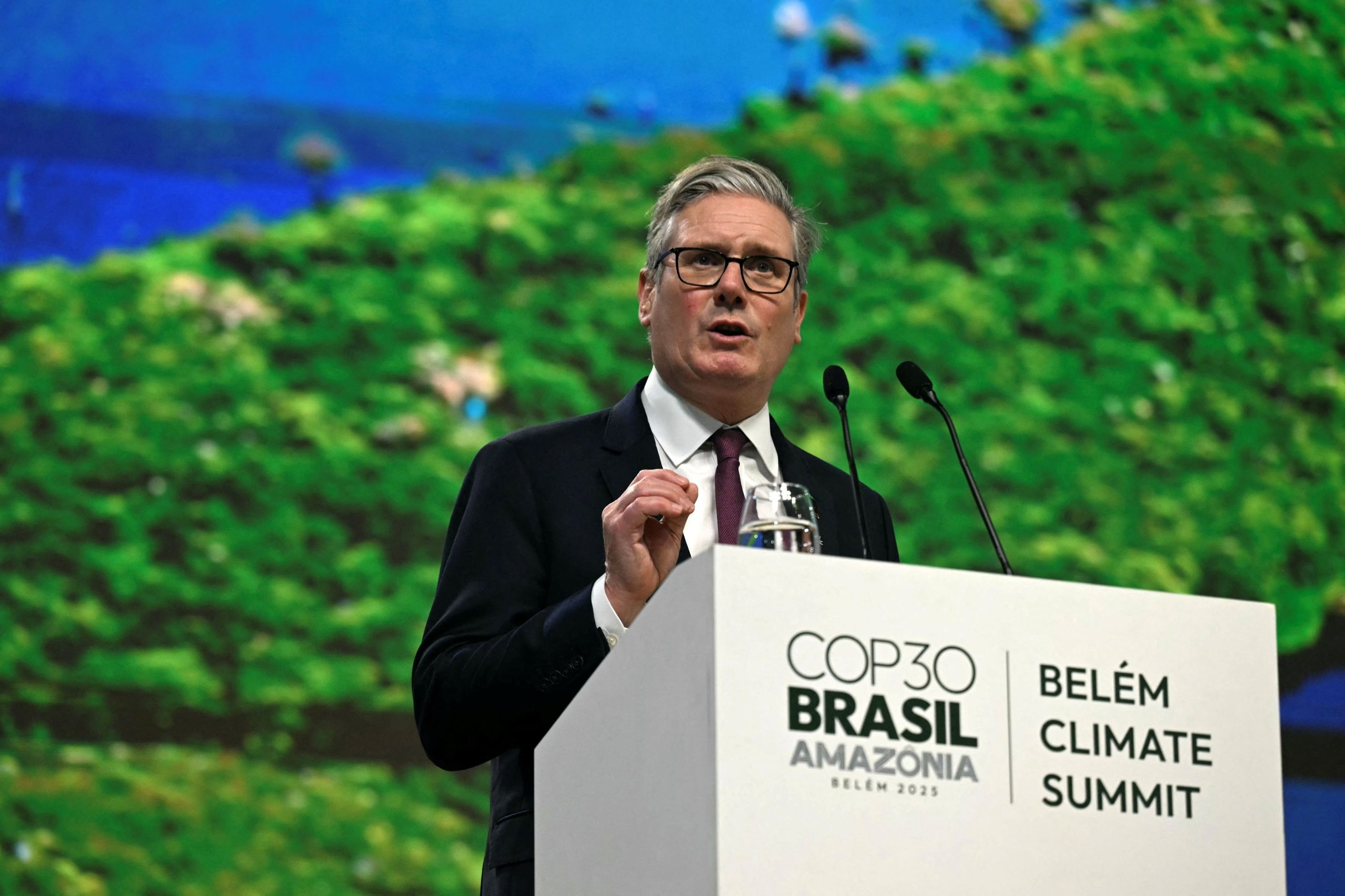
Starmer: “The global consensus is eroding”
In one of the most direct interventions from a European leader so far, UK Prime Minister Keir Starmer warned delegates that “the global consensus on climate action is eroding,” calling on major economies not to step back from commitments at a moment of escalating climate impacts.
His remarks underscored what diplomats described as a noticeably weaker political presence at this year’s summit. The United States signaled ahead of COP30 that it would not send officials, as U.S. President Trump has himself called climate change the “greatest con job”. Despite the absence of the world’s biggest economy some governments are still nervous that the Trump administration will intervene and disrupt COP, particularly after its efforts to sink a deal last month at the International Maritime Organisation that would have resulted in a world-first carbon fee on shipping.
China present but maintaining a low profile
China is attending COP30 with a full negotiating team but has kept a low political profile, as it usually does, avoiding high-visibility appearances during the Leaders’ Summit. Other major Asian emitters, including Japan and India, are present but represented at lower ministerial levels than in previous years, contributing to what several delegates described as a “muted G20 presence.”
EU arrives at COP30 with softened climate goals
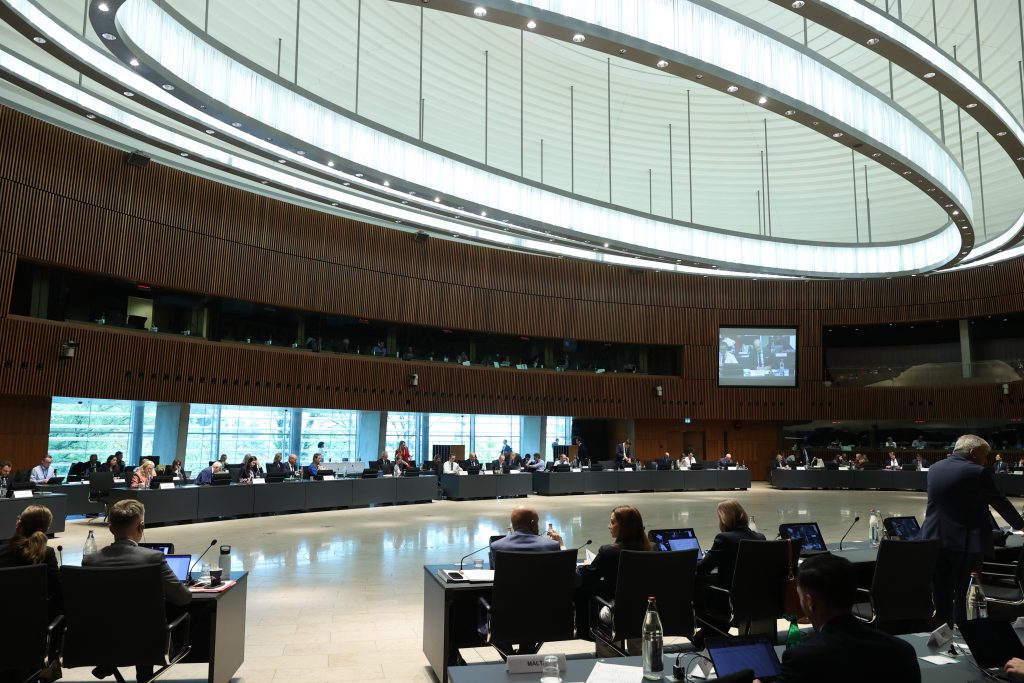
Adding to the sense of reduced ambition, the European Union entered the talks on the back of a significant shift in its own climate agenda. On Wednesday, EU environment ministers approved a watered-down version of the bloc’s 2040 climate goals, moving the Union closer to adopting new, and weaker, emissions-reduction targets.
The compromise reflects political pressures inside Europe: high energy prices, farmer protests, fiscal constraints, and rising far-right influence ahead of elections. As a result, EU negotiators in Belém have taken a more cautious approach, focusing on adaptation and resilience rather than pushing for aggressive fossil-fuel phaseout language.
Meanwhile, during the same days of the COP30 leaders conference, high ranking U.S. officials are in Greece signing a deal to support offshore drilling for LNG in Greece’s territorial waters.
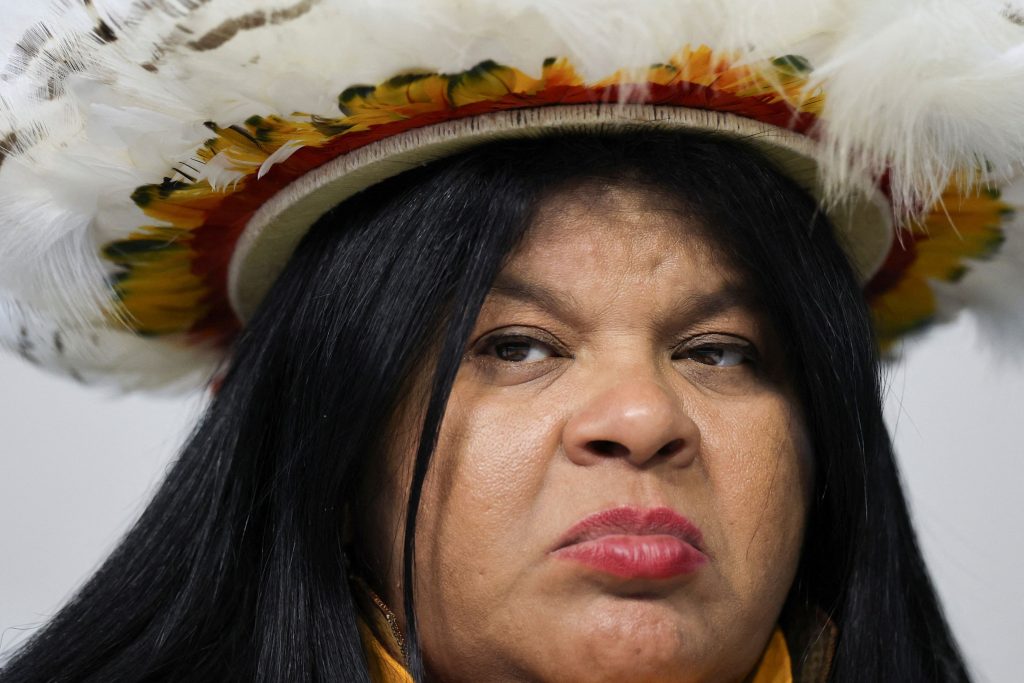
Brazil’s Minister of Indigenous Peoples Sonia Guajajara attends a press conference at the Belem Climate Summit of the United Nations Climate Change Conference (COP30), in Belem, Brazil, November 6, 2025. REUTERS/Adriano Machado
Brazil pushes major forest-finance initiative
Host nation Brazil opened COP30 by launching what may become the summit’s signature achievement: the Tropical Forests Forever Facility (TFFF), a long-term financing mechanism intended to support conservation across the Amazon, the Congo Basin, and Southeast Asia.
Initial pledges total about USD 5.5 billion, including:
- Norway’s conditional USD 3 billion,
- Brazil’s USD 1 billion,
- Indonesia’s USD 1 billion,
- and several smaller European contributions.
Brazilian officials framed the facility as a historic step toward stabilizing rainforest protection, with President Luiz Inácio Lula da Silva calling forests “the frontline of climate security.”
Greece and Mediterranean priorities
While Greece did not issue a major statement during the opening sessions, Greek officials are expected to underline the Mediterranean’s vulnerability to extreme heat, wildfires, and drought — phenomena intensifying faster in the region than in much of Europe.
Athens is preparing to highlight:
- island decarbonization priorities,
- wildfire prevention and early-warning systems,
- the climate-security links affecting Southeastern Europe, and
- the need for strengthened EU support for adaptation.
Italy and Spain used early remarks to stress regional resilience and cross-Mediterranean cooperation, particularly on water scarcity and fire-risk management.
A critical COP with weakening political momentum
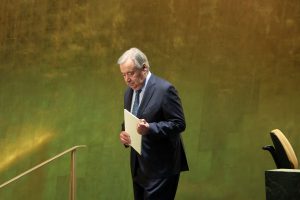
UN Secretary-General António Guterres told leaders that allowing global temperatures to exceed 1.5°C would be a “moral failure,” urging countries not to let political fatigue derail progress.
But early signals suggest that COP30 may struggle to match the breakthroughs of recent climate summits. With the U.S. stepping back, China staying cautious, and the EU scaling down its ambition, negotiators face a more fragmented landscape, even as forest destruction, record heatwaves, and climate-driven instability intensify across regions including the Mediterranean.