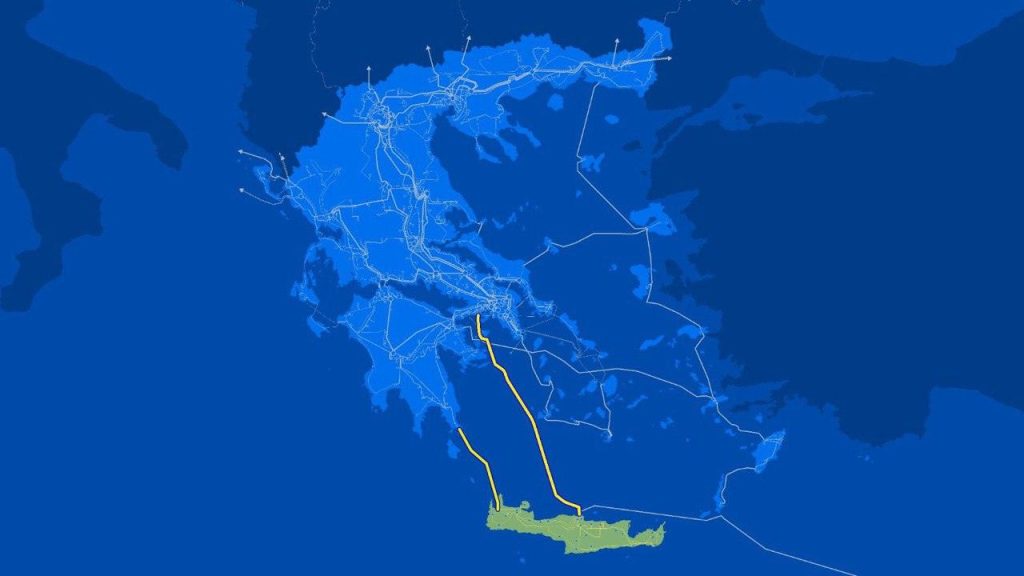
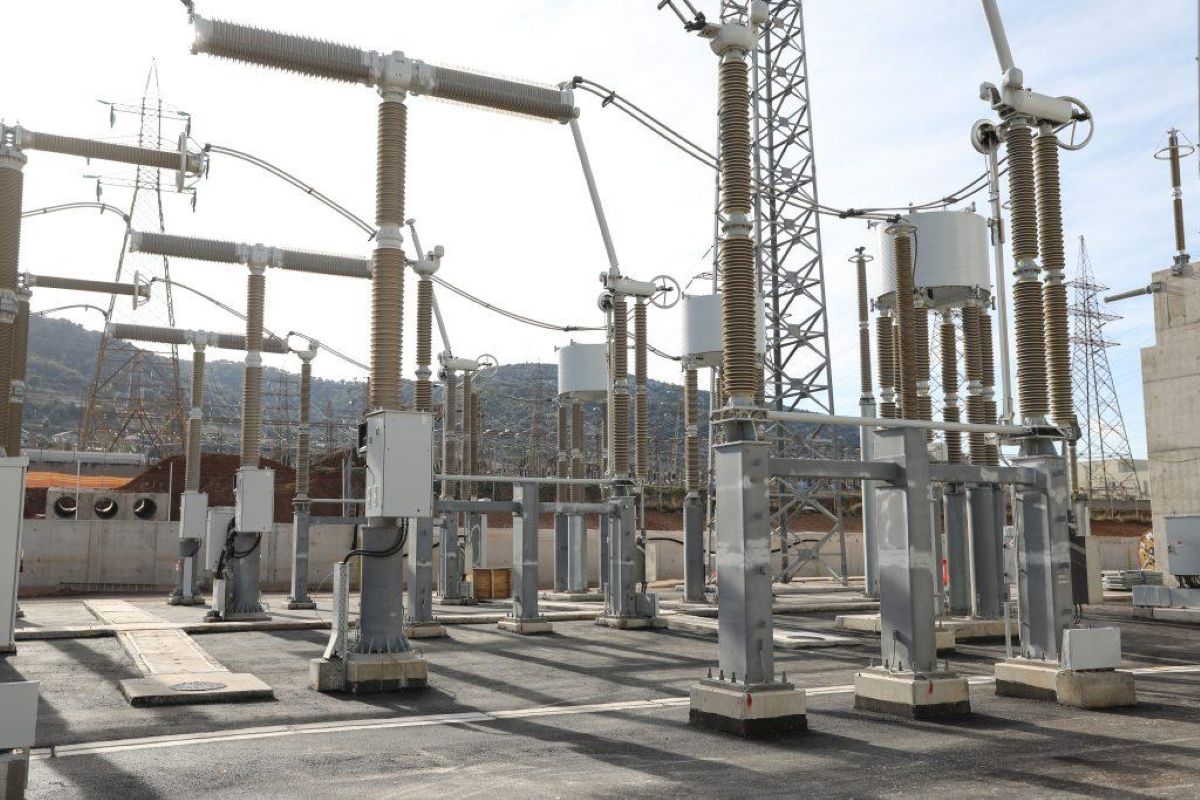
One of the world’s largest underwater power links, the Crete-Attica interconnection in Greece, has officially been commissioned, enabling the continuous transmission of direct current electricity. On August 25, authorities confirmed that the interconnection is moving beyond testing and has entered full, permanent operation.
IPTO, the Hellenic Electricity Transmission System Operator, announced that the testing phase, which began on May 20 and included both on- and off-line operation to verify all equipment, has successfully concluded.
Continuous Operation
Specifically, the operator reported that following the successful completion of the System Acceptance Tests (SAT) by the contractor, in collaboration with Ariadne Interconnection and IPTO, the Crete-Attica link is now in continuous operation.
The interconnection will remain in continuous operation over the next two months, after which Greece’s largest and most complex electricity transmission project will enter commercial service.
Testing the Crete-Attica Link
Over the past quarter, extensive tests confirmed the transfer of electricity to and from Crete under various operational scenarios. Maximum capacity tests for each pole were also conducted, verifying the interconnection’s ability to handle bidirectional energy flows under real operating conditions.
The project is expected to fully secure the electricity supply for Crete’s four regional units and gradually phase out the island’s polluting power plants.
Commercial Operation
With reliable electricity now supplied to Crete without relying on local generation, the island’s electricity metrics will be fully integrated into the mainland electricity market. The temporary hybrid model in use since 2021, pending Crete’s dual connection via Attica and the Peloponnese, will be phased out.
The Crete-Attica interconnection was co-financed through the Operational Program for Environment and Energy (ESPA 2014–2020) and the “Environment and Climate Change” program (ESPA 2021–2027), covering 535.5 million euros, with the total project cost reaching 1.1 billion euros.