Europe has become much better at planning for climate change. It has laws, strategies, risk assessments, committees and reporting systems. What it still cannot do, according to a new European Environment Agency report, is reliably prove whether those efforts to plan for climate change through climate adaptation are making people, infrastructure and ecosystems safer.
From Climate Risk to Climate Adaptation that Makes a Difference
That is the central warning of Climate resilience in Europe, 2025: progress and challenges, which examines adaptation efforts across 32 EEA member countries.
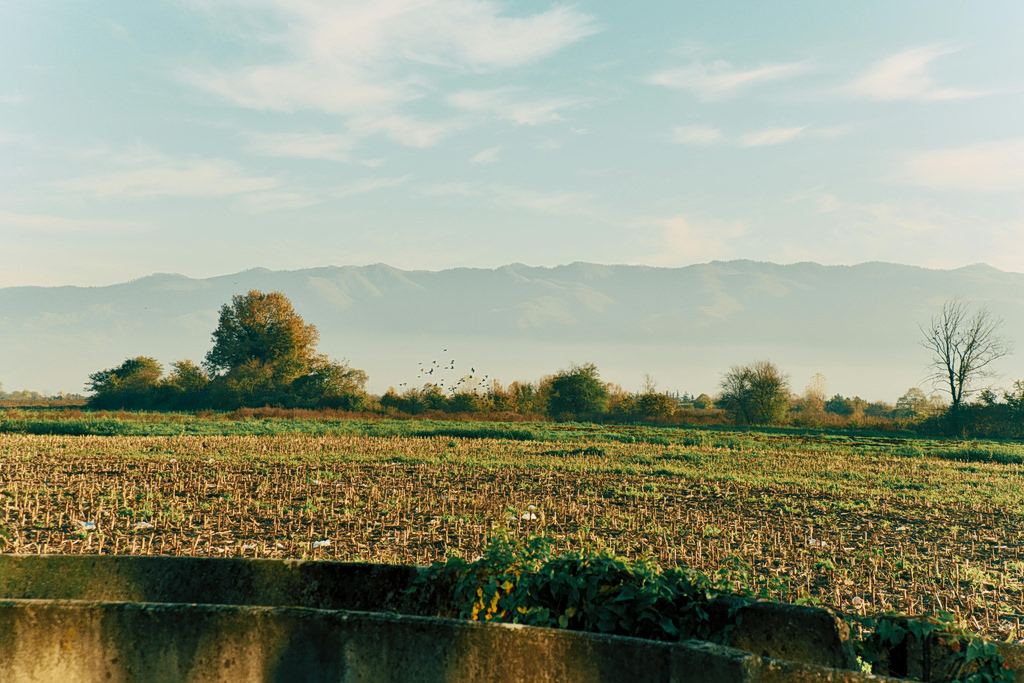
Image of regenerative farming. Photo by Abdullah Öğük
The report highlights that all 32 EEA member countries have adopted national adaptation policies, and 18 have anchored adaptation in national climate laws. Climate risk evidence is also improving, with 24 EEA member countries having published a comprehensive climate risk assessment at least once.
But the EEA’s findings point to a deeper problem. Much of Europe’s adaptation system is still stronger on paper than in practice. National reporting focuses heavily on planning, governance and institutional arrangements, while offering far less information on implemented actions, budgets and outcomes, says the report.
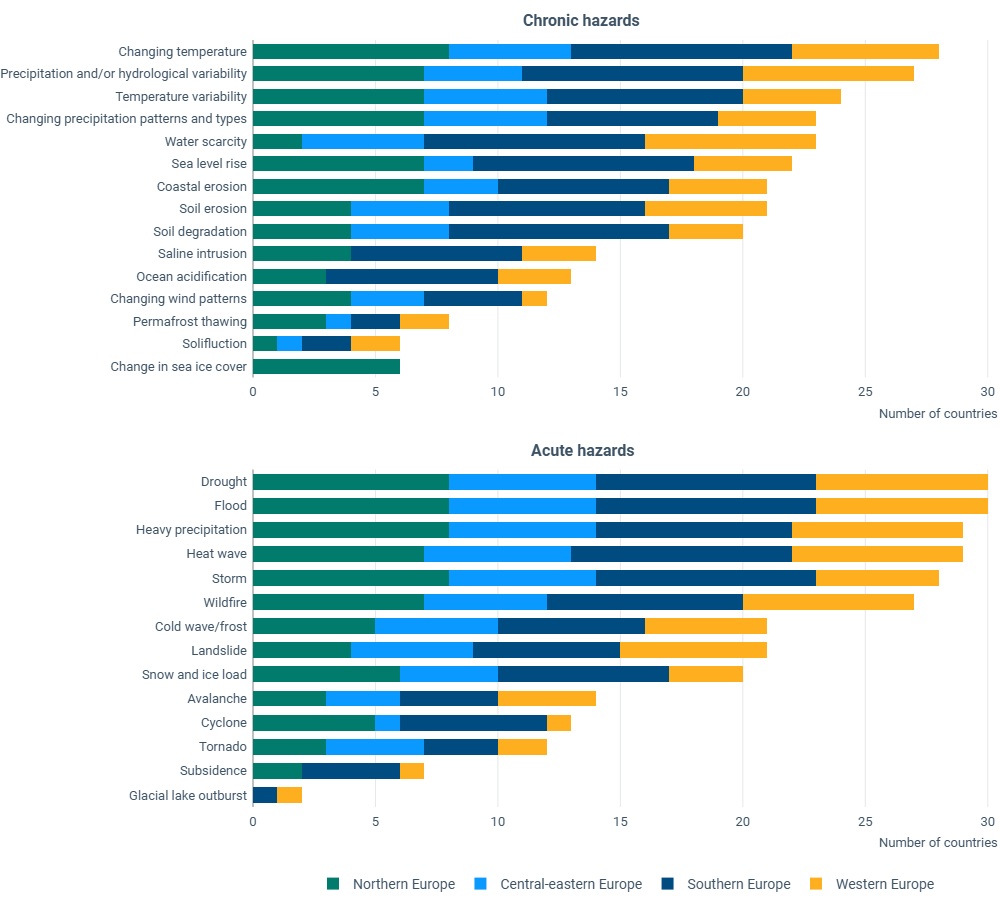
Observed acute and chronic climate hazards reported in 2025. Acute hazards related to water and temperature are most common, followed by wind-related and solid mass hazards, while ice-related hazards affect only a few countries. The ranking of hazards has remained largely stable over the past five years, although wind-related hazards show the most notable change and water scarcity has become increasingly relevant.
In plain terms, Europe can often show that it has a climate plan, but it cannot yet assess whether the plans are working.
That gap matters because Europe has been warming at twice the global average since the 1980s, making it the fastest-warming continent on Earth.
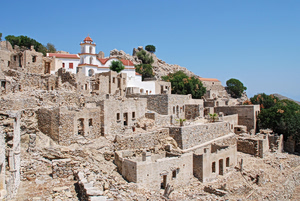
Looking more closely, the report reveals that the impact of climate change is felt more heavily in South Europe. The EEA highlights that the region faces the most severe chronic hazards, including: changing temperatures, hydrological variability, water scarcity, soil degredation and erosion. Meanwhile, acute hazards include: drought, flood, heavy rains, heatwaves, storms , fires and more.
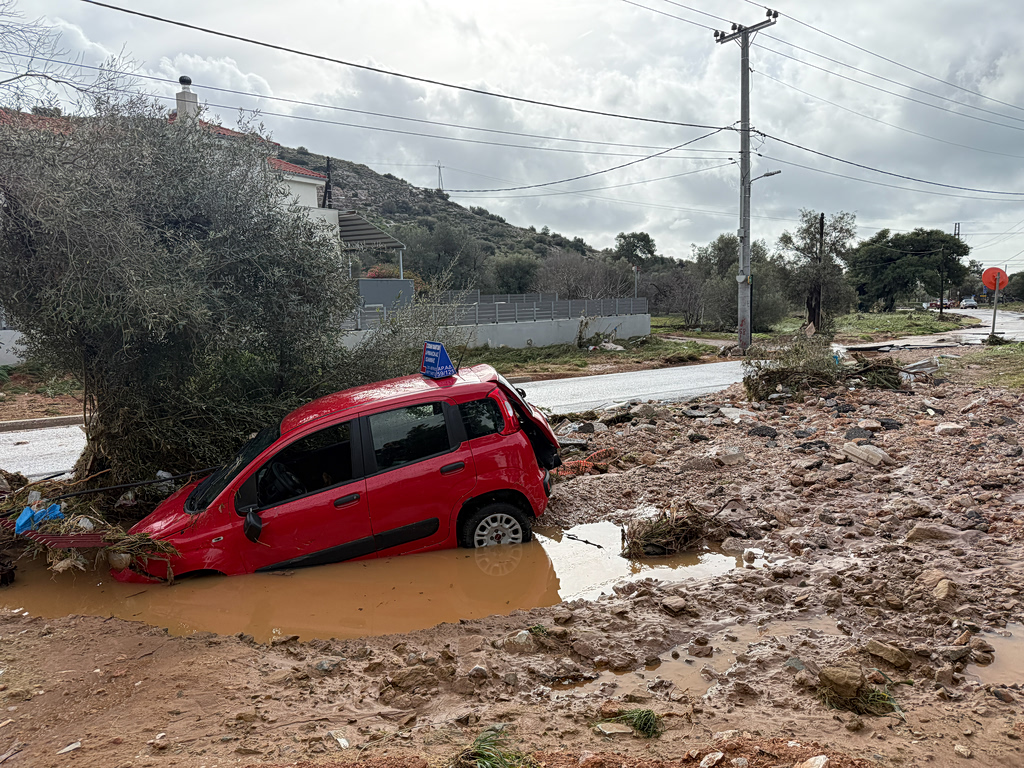
A view of the Vari area in southern Athens covered in thick mud after extreme flooding, with damaged roads, submerged cars, and residential neighborhoods overwhelmed by debris.
A Look at Greece
For Greece, the findings are both encouraging and uncomfortable.
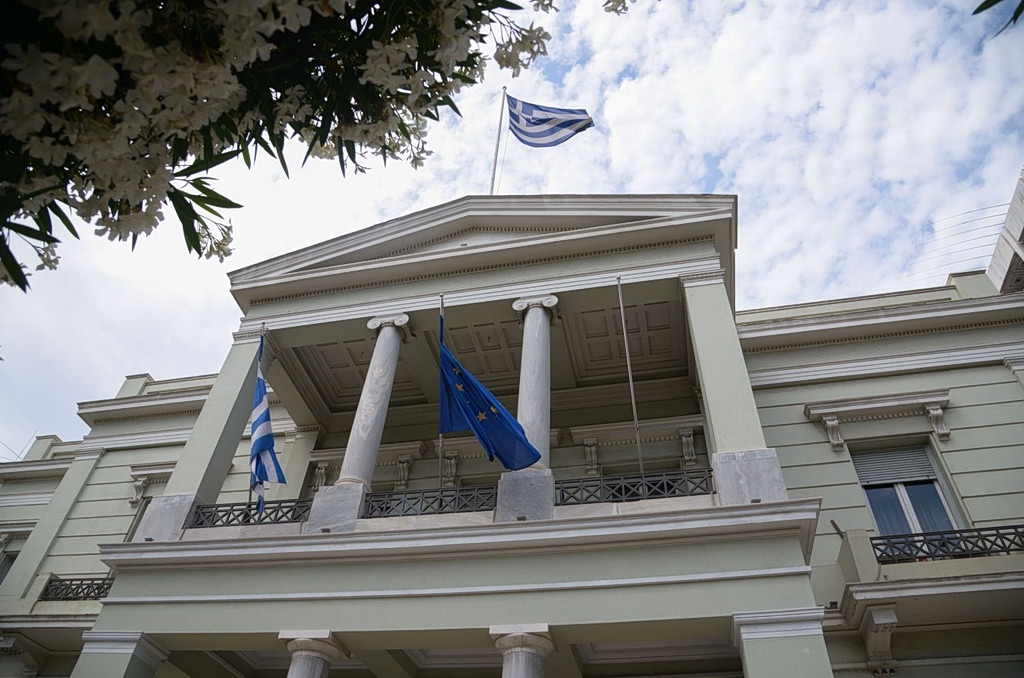
On one hand, Greece appears among the countries with important legal and regional structures in place. Its National Climate Law includes adaptation provisions, and the country has developed Regional Adaptation Plans for all 13 regions. These plans are meant to translate national adaptation priorities into region-specific frameworks by assessing climate vulnerabilities, identifying sectoral risks and defining adaptation actions.
The report also notes that Greece has produced climate risk studies for seven sectors. Yet Greece is also shown among the countries whose comprehensive national climate risk assessment is more than eight years old. That is a sensitive point for a country repeatedly exposed to extreme heat, drought, wildfires, floods and water stress, which carry implications for public health, tourism, agriculture, forests, water management, coastal protection, infrastructure and even insurance.
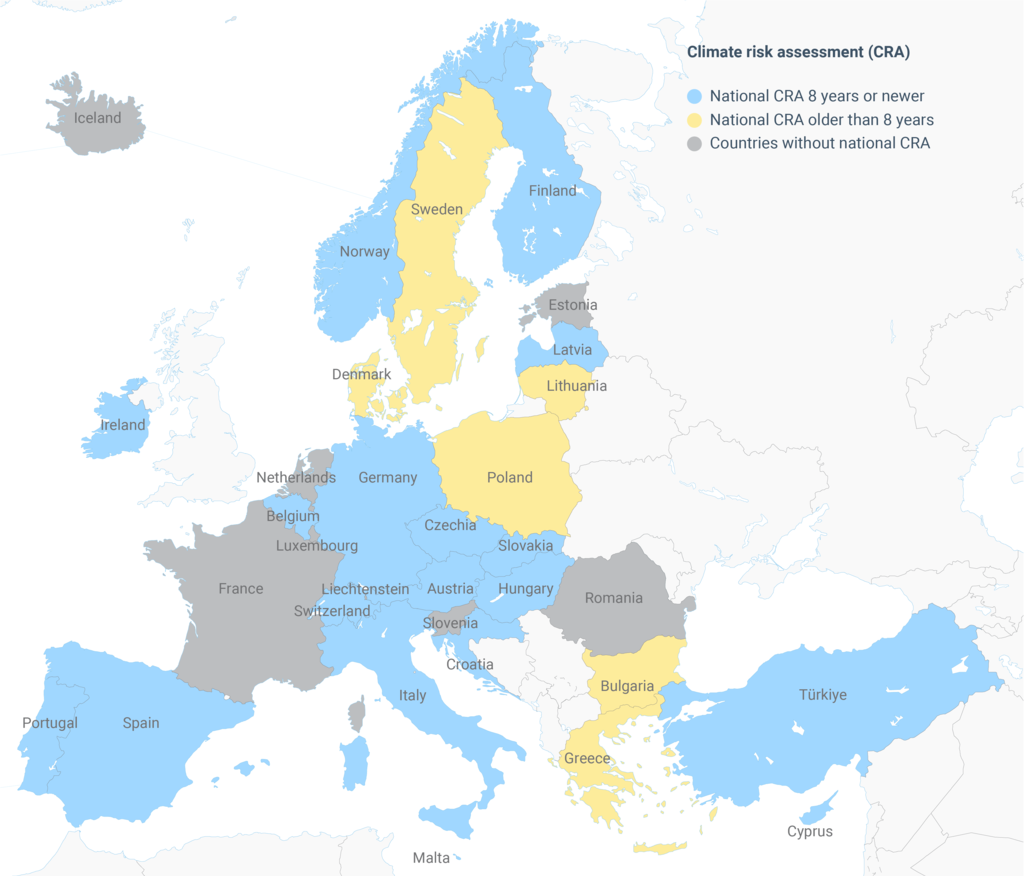
EEA report on status of existance of EU Member State Climate Risk Assessment reports
Greece is also among a small group of EU countries shown in the report’s policy map as having a national adaptation strategy, but not a national adaptation plan which translates the strategy into more concrete priorities, measures, responsibilities and delivery pathways.
The Broader Picture
The EEA is careful not to single out Greece as a laggard. The broader message is that Europe’s adaptation challenge is systemic. Countries are moving at different speeds, using different methods and reporting different levels of detail, making it difficult to build a coherent Europe-wide picture of climate risk and preparedness.
The report also warns that links between climate risk assessments, measurable targets and monitoring systems remain weak. In other words, evidence about climate risk is not always clearly connected to the policies designed to reduce that risk, or to indicators that can show whether those policies are succeeding.

Local and regional governments are at the center of the challenge. The EEA says subnational authorities are essential for adaptation, but are often constrained by limited capacity and resources. This is where national priorities must become practical action: cooling cities, protecting water supplies, adapting agriculture, preparing health systems and reducing wildfire and flood risks.
Financing is another weak link. The report says financial limitations restrict both the scale and continuity of adaptation action. Long-term planning is hampered by uneven national funding, the absence of dedicated adaptation budgets, weak cost-benefit evidence and limited private investment.