Greece has slipped eight places in the 2025 Climate Change Performance Index (CCPI), ranking 30th overall. While the country earns medium ratings for greenhouse gas (GHG) emissions, renewable energy, and energy use, its climate policy performance remains low, experts say.
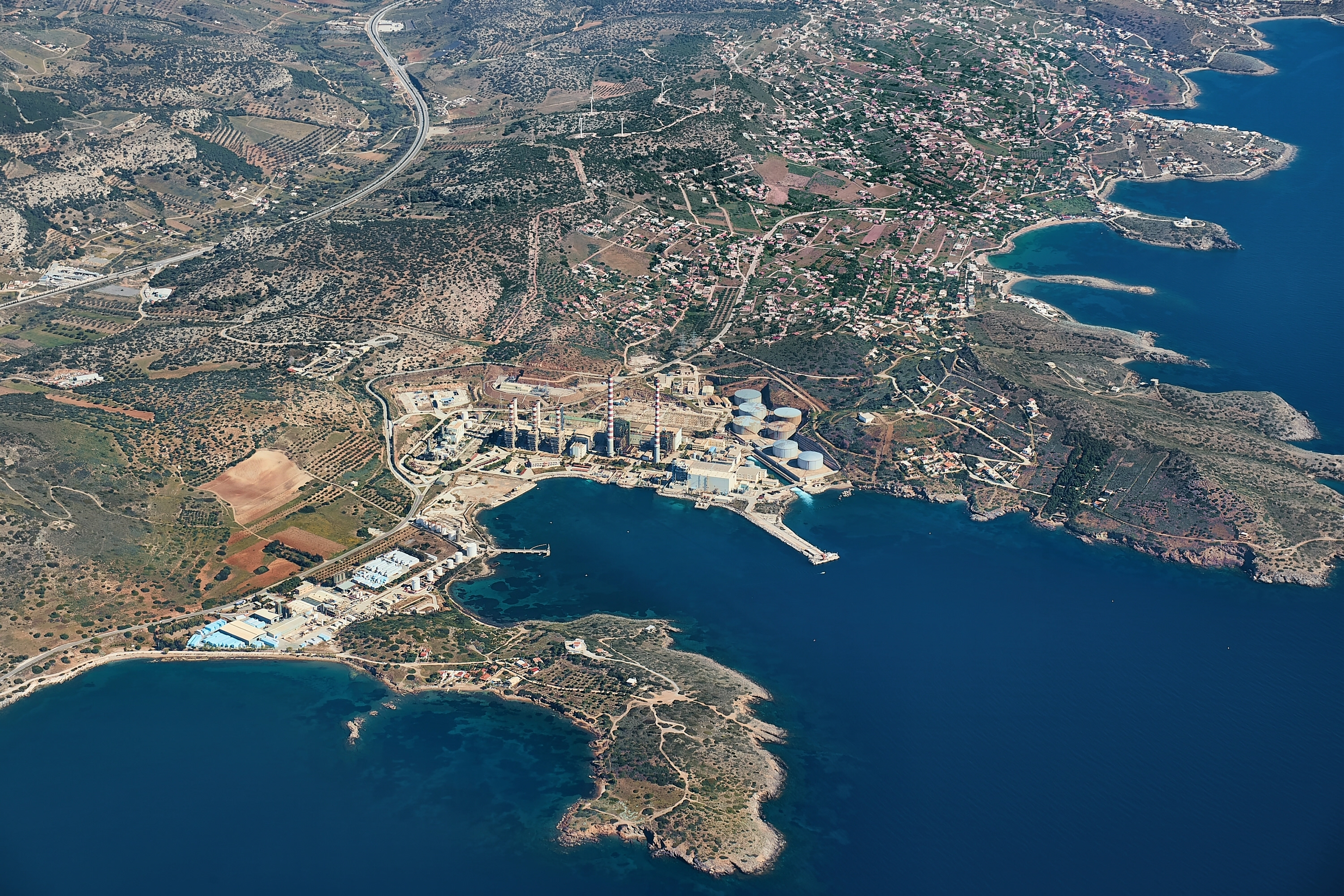
The low climate policy rating is driven by Greece’s deep dependence on fossil gas, including LNG imports, new regasification units, and a high share of gas in electricity generation. The government’s approval of new offshore oil and gas concessions and its October 2025 refusal to endorse the International Maritime Organization’s net-zero strategy have further contributed to the poor assessment. These actions place Greece at odds with the European Union’s climate stance.
Despite reductions in coal use, with lignite accounting for just 5.7% of power generation in 2024 and a phase-out planned by 2026, the increased reliance on gas has offset some of these gains. Experts note that the absence of a gas phase-out plan and plans for new gas plants undermine Greece’s ability to meet EU climate targets and its National Energy and Climate Plan (NECP).
Renewable energy deployment, however, is a bright spot. Renewables now supply over half of Greece’s electricity, supported by higher NECP targets. Incentives for electric vehicles, including free parking and the introduction of electric buses in Athens, also receive positive marks. Subsidized building renovations, although limited in scale, further reflect progress in certain sectors.
Experts highlight significant gaps in transport, tourism, and industry. Road transport emissions are projected to rise, rail network expansion remains slow following the 2023 deadly train accident, and wildfire protection measures are insufficient. The devastating 2025 wildfire season released millions of tons of CO₂ while destroying critical carbon sinks.
Greece’s tentative support for a 90% EU emissions reduction target, conditional on economic feasibility, shows some alignment with international efforts, including participation in the Global Methane Pledge and the Eastern Mediterranean and Middle East Climate Initiative. Yet experts stress that urgent, socially just decarbonization plans for gas, tourism, and transport remain critical to improving the country’s climate performance.