
The winter of 2025–2026 in Greece was one of the warmest on record, according to preliminary data from the National Observatory of Athens’ climate monitoring service, meteo.gr.
Scientists say the season ranks as the second-warmest winter in the country since 1960, with temperatures exceeding normal levels on the vast majority of days. The findings highlight an ongoing warming trend that researchers link to climate change in the region.
Data from the observatory show that 86% of winter days—78 days in total—recorded temperatures above the average for the 1991–2020 reference period. Only brief intervals of colder weather were observed in early and mid-January 2026, when temperatures temporarily dropped below normal levels.
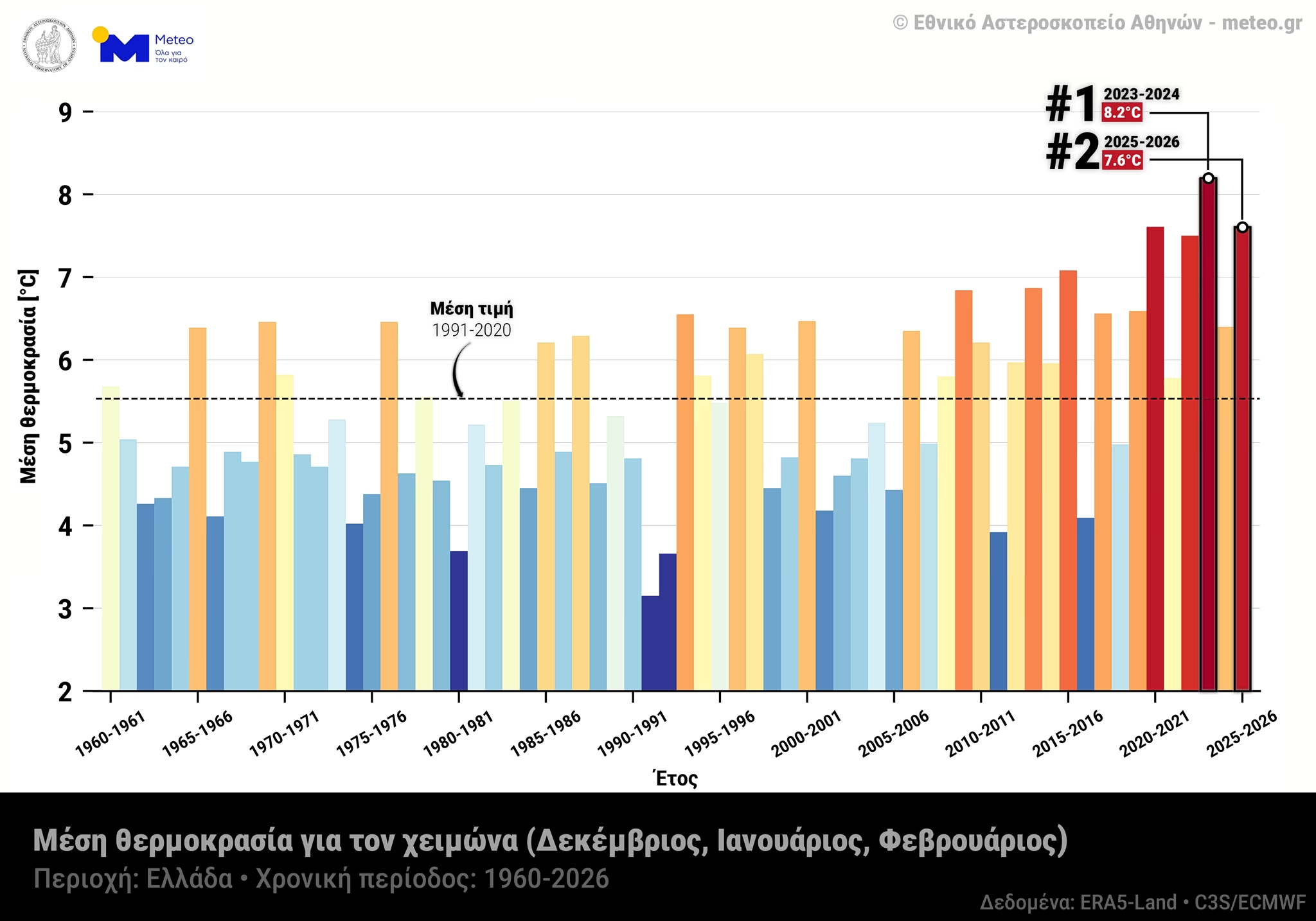
Average temperature for the winter period (December, January, February) in Greece between 1960 and 2026. meteo.gr
The analysis also points to a broader pattern. According to the scientific team at the National Observatory of Athens, the four warmest winters ever recorded in Greece have all occurred within the last six years.
While the winter of 2023–2024 remains the warmest on record, the most recent winter—from December 2025 to February 2026—closely follows it, with relatively few periods of typical seasonal cold.
Long-term climate data show that the average winter temperature in Greece has increased by about 1.8°C since 1960.
Despite the high temperatures, the winter was not dry. In fact, it was among the wettest in recent records, with significant rainfall across the country.
However, the warmer conditions meant that much of the precipitation fell as rain rather than snow. Snow cover in Greece’s mountainous areas remained at very low levels, affecting both water reserves and ski resorts.