A new peer-reviewed study published in Nature’s special journal NPJ Climate Action provides the first fully integrated assessment of how Greece could transition to climate neutrality- and what stands in the way.
The article, “Assessing national climate-neutrality plans through a modelling nexus lens: the case of Greece,” led by Professor Phoebe Koundouri of the Athens University of Economics and Business and the University of Cambridge, introduces an interdisciplinary modelling framework that links energy, land use, food systems and water management. The aim is to capture how real-world policy decisions in one area can ripple across others, shaping whether the country meets its climate commitments by 2050.
Using a suite of models, including the FABLE Calculator for agriculture and land use, LEAP for energy, and WaterReqGCH, LandReqCalcGCH and BiofuelGCH for resource demands and biofuel potential, the study evaluates how Greece’s existing strategies interact. This integrated approach shows that meaningful decarbonization is achievable, but only under conditions of strong coordination and timely implementation across ministries and sectors. The analysis finds that Greece could reduce energy-related greenhouse gas emissions almost fivefold by mid-century if its National Energy and Climate Plan (NECP), agricultural policies and water strategies are jointly applied. Energy demand would fall by around 20 percent compared with a business-as-usual trajectory, mainly due to improvements in efficiency across industry and transport. Renewable energy deployment expands significantly, and the country phases out lignite entirely while sharply reducing the use of oil and natural gas. These shifts would bring Greece close to climate neutrality, although not fully eliminating emissions by 2050.
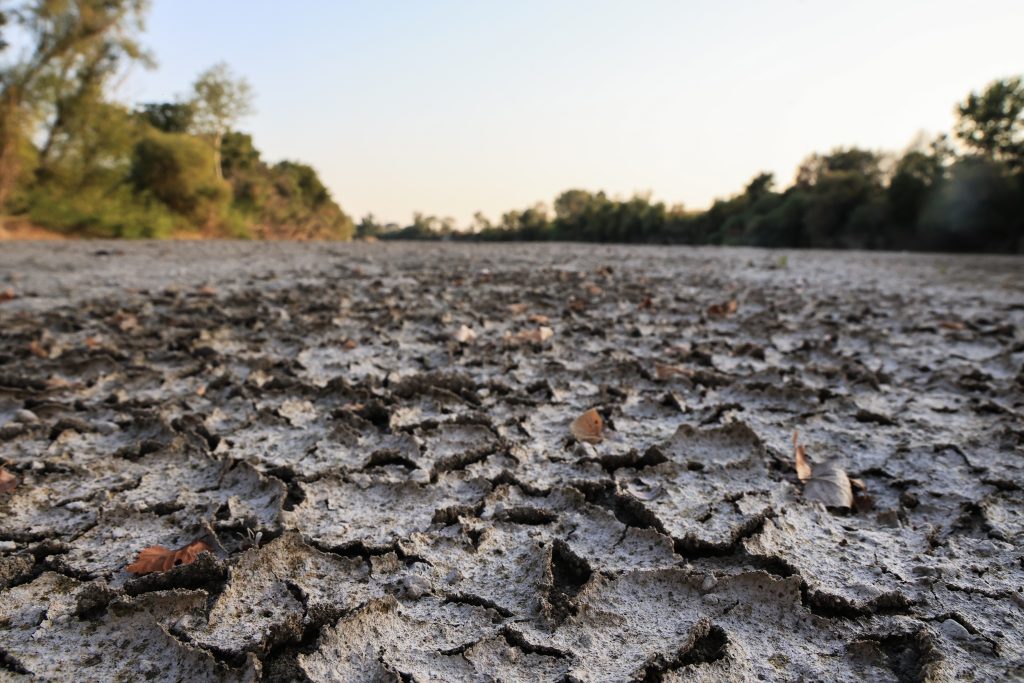
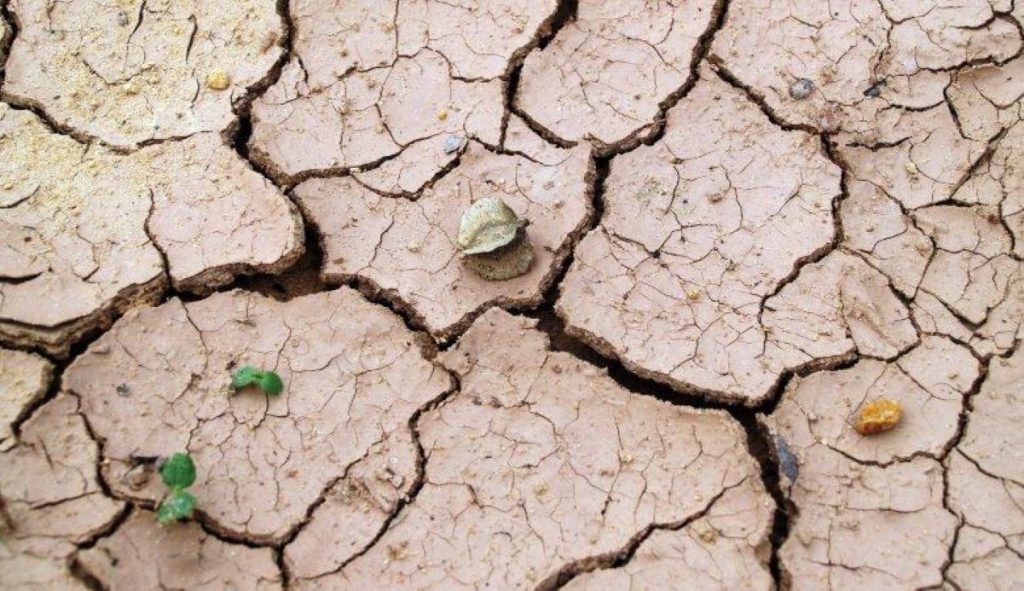
Snapshot taken on July 25, 2025, of the Pineios River outside the city of Larissa, specifically at the Pineios dam near the facilities of the Larissa Municipal Water and Sewerage Company (DEYAL). Prolonged drought combined with the preceding heatwave has led to a dramatic drop in water levels. Thessaly is experiencing one of the most difficult irrigation seasons in recent years, as the amount of available water falls far short of demand. (EUROKINISSI)
In the land and food system, the research shows that healthier diets and productivity gains could lower agricultural emissions by half compared with a baseline scenario while also reducing production costs. Livestock-related emissions decline substantially, and higher yields free up land for restoration or low-intensity uses without harming crop output. The study also highlights Greece’s considerable biofuel production potential: agricultural residues alone could cover domestic needs and allow for exports, reversing today’s dependence on imports. This finding underscores an opportunity for sectors such as shipping, where no national decarbonization plan currently exists.
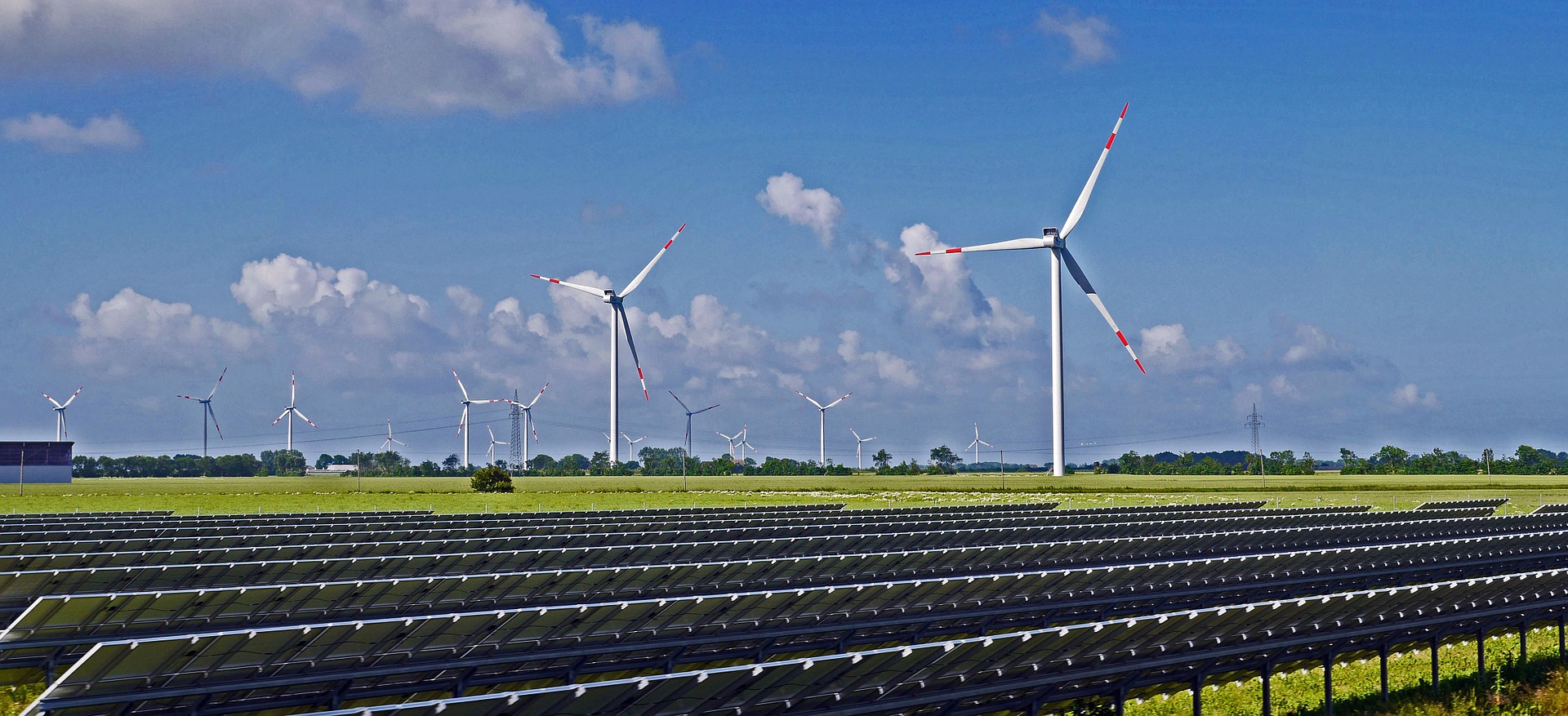
However, the authors emphasize that these outcomes depend on addressing several structural challenges. Greece’s climate, agricultural and water policies operate on different timelines, are overseen by different ministries, and are often not aligned. Without a unifying governance mechanism, essential interdependencies. such as land required for large-scale solar and wind deployment or the water implications of agricultural productivity, risk being overlooked. Renewable energy expansion, for example, could require up to roughly 1,100 km² of land by 2050, raising concerns about competition with agriculture, biodiversity and local land uses unless carefully planned. Water management remains another pressure point: agriculture continues to consume close to 90 percent of total water use, and summer demand far exceeds winter availability. Current river basin planning includes limited demand-management tools, despite strong seasonal stress.
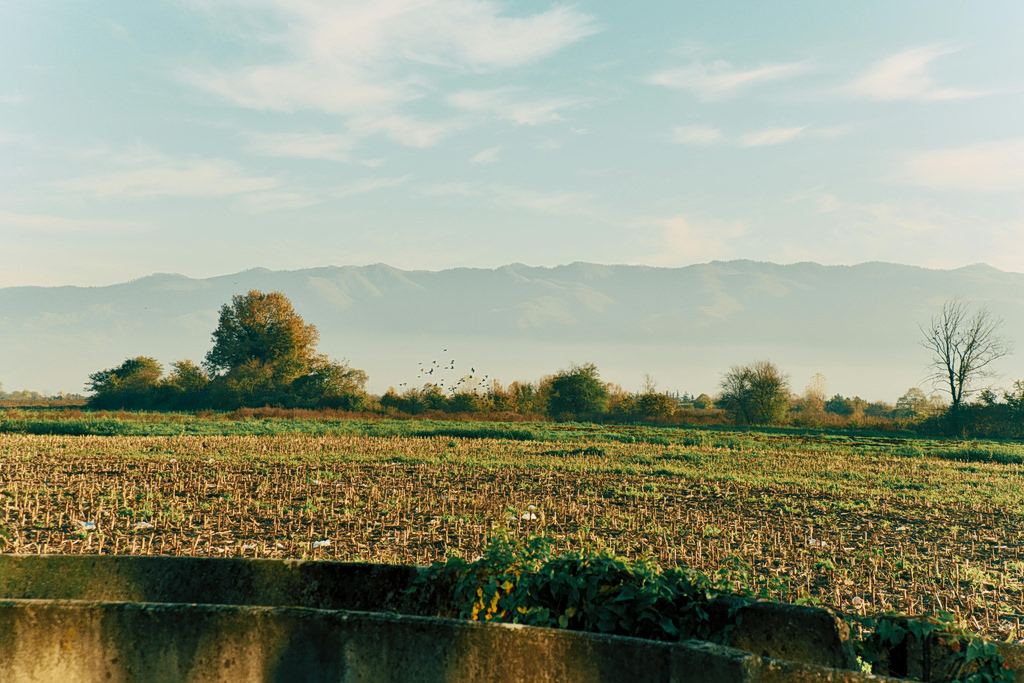
Image of regenerative farming. Photo by Abdullah Öğük
The study concludes that Greece has a technically feasible pathway to deep decarbonization, but success hinges on coherent, systems-based implementation rather than isolated policy actions. The researchers recommend a coordinated national framework linking the NECP, the Common Agricultural Policy and river basin management plans, supported by an inter-ministerial mechanism and a national integrated modelling platform to track interactions and guide adaptive planning.
As Professor Koundouri noted when announcing the publication on LinkedIn, climate neutrality requires more than emissions accounting: it demands science-based pathways that jointly address energy security, food production, biodiversity and socio-economic development. This integrated perspective, she argues, is essential not only for Greece but for all countries facing interconnected environmental and economic pressures.