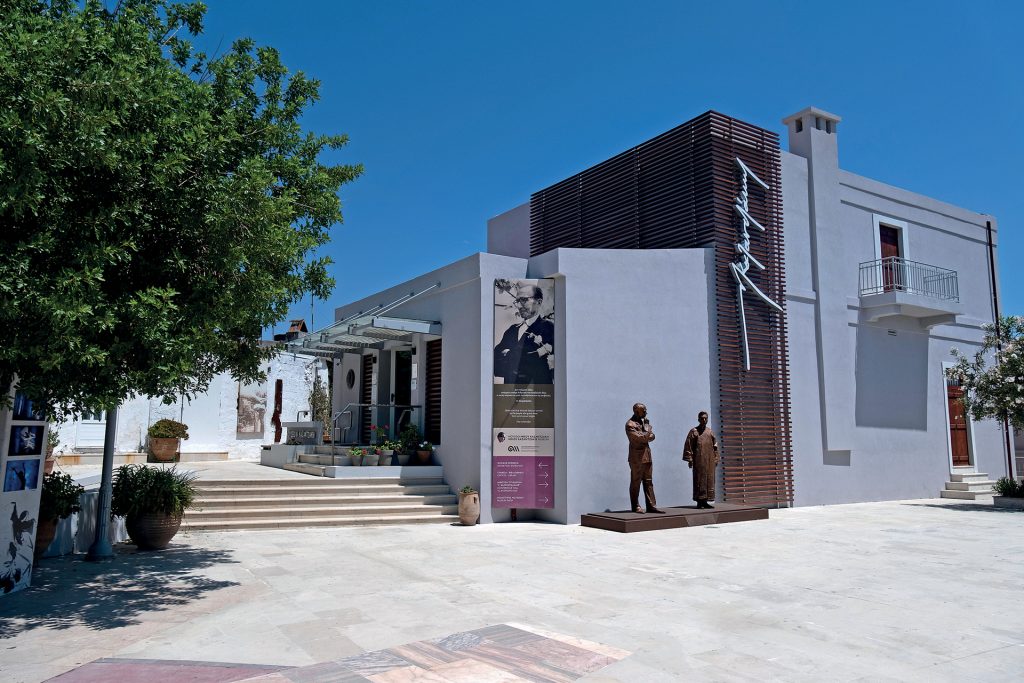
The Nikos Kazantzakis Museum has unveiled a new digital archive featuring 1,000 fully transcribed and translated letters by the celebrated author, offering global readers and researchers unprecedented access to his personal correspondence
The Nikos Kazantzakis Museum has launched a major cultural project, releasing 1,000 digitized letters written by the internationally known Greek author and thinker. The collection is now freely accessible on the museum’s website at letters.kazantzaki.gr, marking a significant step in preserving and expanding public access to his work.
The digital archive was completed in under ten months as part of a local development program in Crete. The project involved the digitization, transcription, translation, and documentation of the letters, coordinated by the museum with the support of a large research team.
The new platform provides a fully searchable database, allowing users to look up words, phrases, and themes across the entire body of correspondence in both Greek and English. It also connects shared references between documents and offers detailed contextual information in a user-friendly, academically grounded environment.
The letters form part of the museum’s broader Correspondence Archive, one of its largest collections. Established thanks to the museum’s founder, Giorgos Anemogiannis, and numerous private donors, the archive includes more than 7,000 items ranging from letters and postcards to telegrams. Together, these materials offer rare insight into Kazantzakis’s life, relationships, and creative process.
While the release of the 1,000 letters marks a major milestone, the project is designed as a continuously evolving platform. The museum plans to expand the database with additional letters by Kazantzakis as well as correspondence from his contemporaries, aiming to build a living research hub for scholars and admirers worldwide.
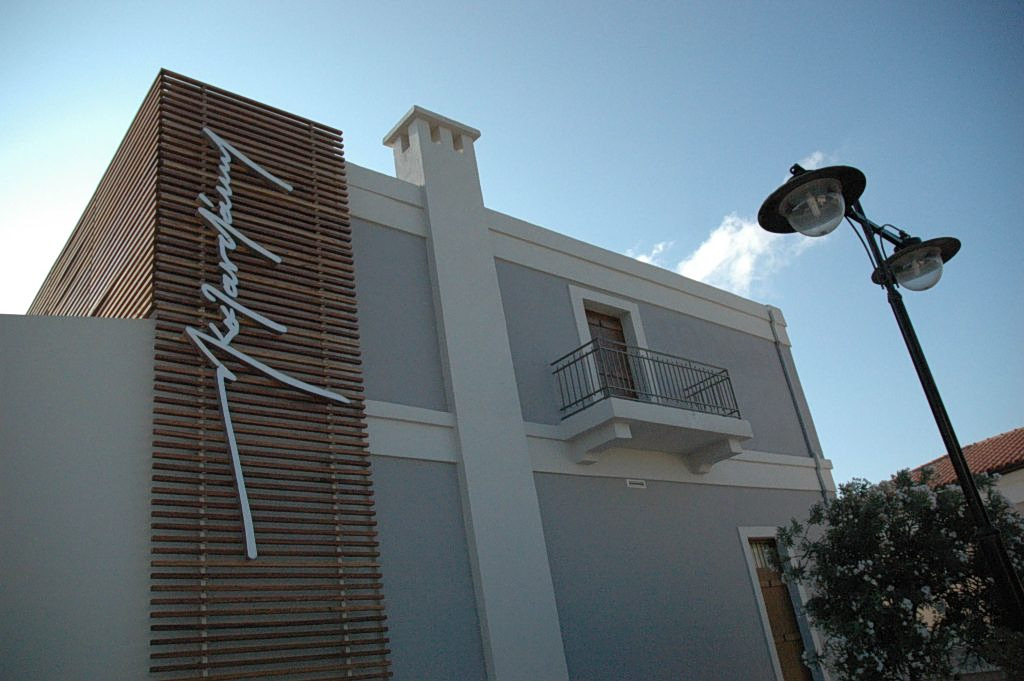
Founded in 1983, the Nikos Kazantzakis Museum is dedicated to preserving the legacy of the influential writer, whose works—including Zorba the Greek and The Last Temptation of Christ—have had a profound impact on global literature. The museum continues to serve an educational role, hosting thousands of students each year and advancing open-access cultural initiatives.
Yet the museum’s future was not always secure. In 2013, shortly after completing a major EU-funded renovation, the institution found itself on the verge of shutting down. With no state support for staff and limited revenue from visitors, it faced a severe financial crisis. The turning point came when Greek businessman and philanthropist Evangelos Marinakis stepped in with long-term sponsorship. His support, which the museum says has continued without interruption for a decade, allowed it to stabilize operations, hire specialized personnel, and expand its educational and outreach activities.
According to the museum’s director, Marilena Milathianaki, such support in recent years has strengthened the institution’s ability to carry out major projects, helping establish it as one of Greece’s recognized museums and a growing digital center for Kazantzakis studies.
The newly released archive invites readers everywhere to explore the author’s voice more intimately than ever before, offering a vivid window into the mind of one of the 20th century’s most influential literary figures.