Cosmopolitanism—a phenomenon that took shape across our broader geopolitical region in the last century—forms the central axis of a new cycle of exhibitions at the National Museum of Contemporary Art Athens (EMST). Not in today’s often elitist sense, but in its human-centered dimension: a progressive outlook on the world, grounded in openness to coexistence with the “other,” without erasing cultural identity.
Within this framework, as the museum’s artistic director noted during a guided tour of the three new exhibitions, the spotlight turns to three Greek artists who cultivated a “deeply cosmopolitan perspective in dialogue with the international movements of their time.”
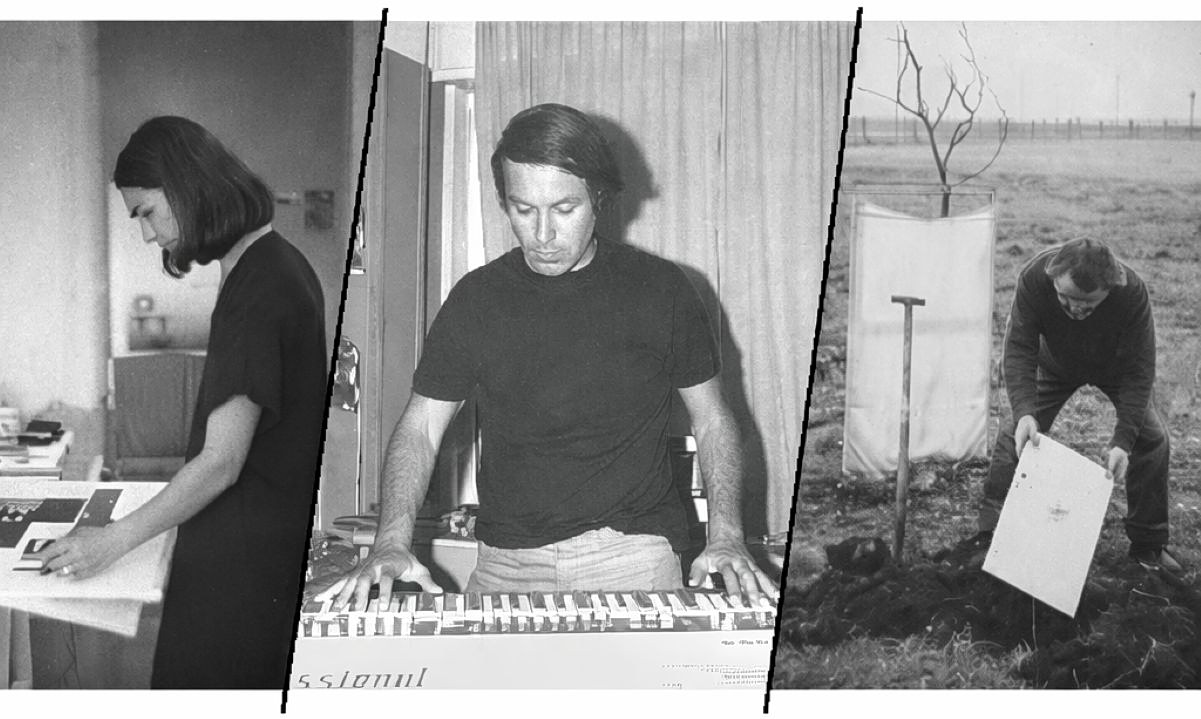
These are the Alexandria-born composer Jani or Yanni Christou, whose life was cut short; Niki Kanagini, who came from a Balkan migrant family with roots in Ortaköy (today Ivaylovgrad, Bulgaria); and Stathis Logothetis, originally from Eastern Rumelia, who spent much of his life in Vienna alongside his avant-garde composer brother, Anestis.
All three artists pushed beyond the confines of traditional visual art, experimenting with forms that expanded its very boundaries. Their work, presented in full at EMST starting tomorrow, offers a compelling portrait of the Greek avant-garde.
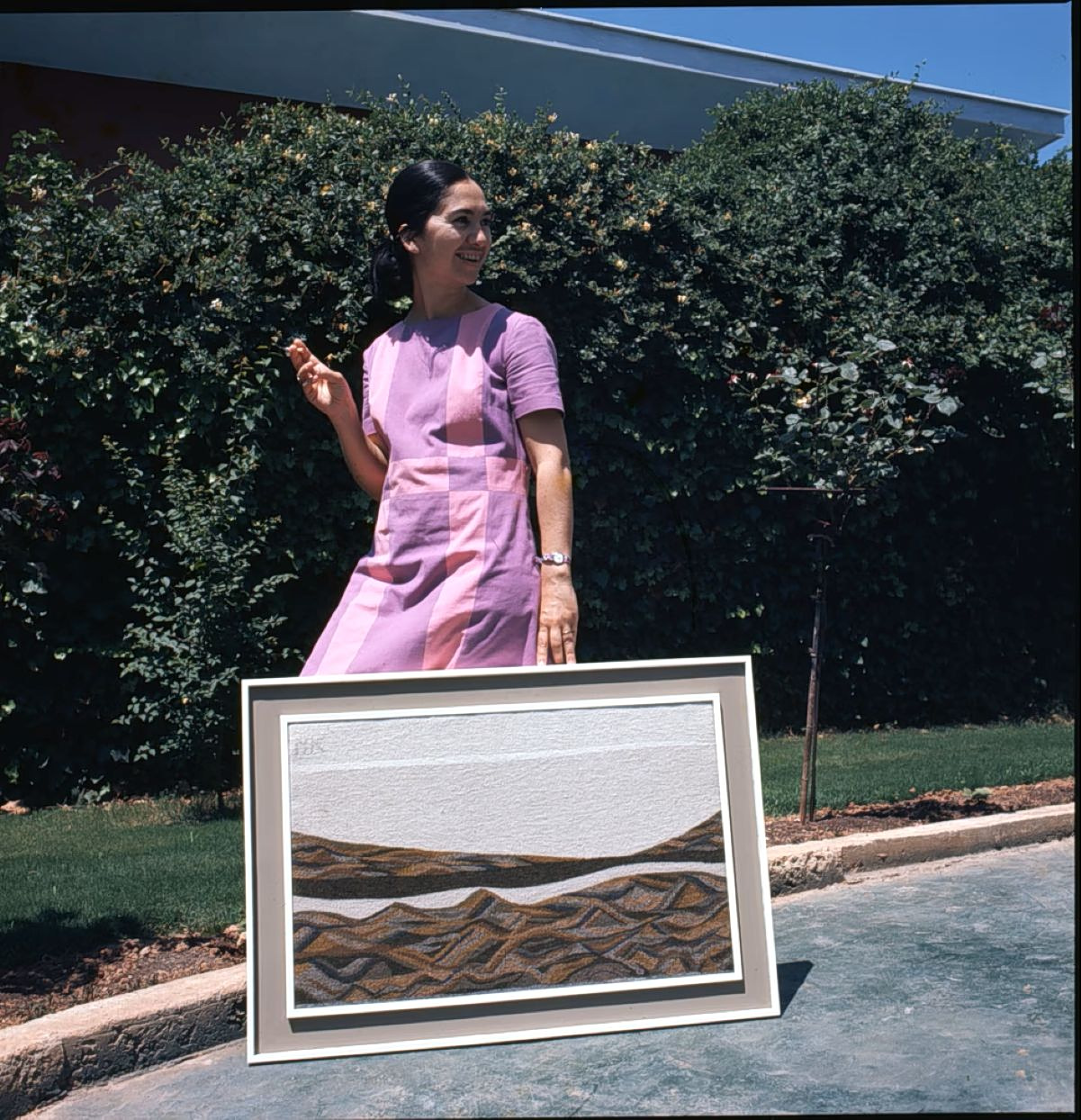
Portrait of the artist, c. 1965. © Niki Kanagini Archive
Christou emerges as a “Renaissance figure,” deeply immersed in philosophy, ritual, theatre, science, and the emerging technologies of his era. Kanagini, one of the earliest artists of her generation to foreground questions of gender identity, explored the position of women in a conservative Greek society while introducing themes such as female labor, textile practices, interdisciplinarity, and audience participation. Logothetis, for his part, stands out as a profoundly experimental creator, consistently challenging artistic conventions.
A unifying thread across all three exhibitions, Gregos emphasizes, is the shift from the artwork as object to the artwork as experience and process. “Art is no longer treated as something static,” she notes, “but as an event—an experience, an act activated in time and space.”
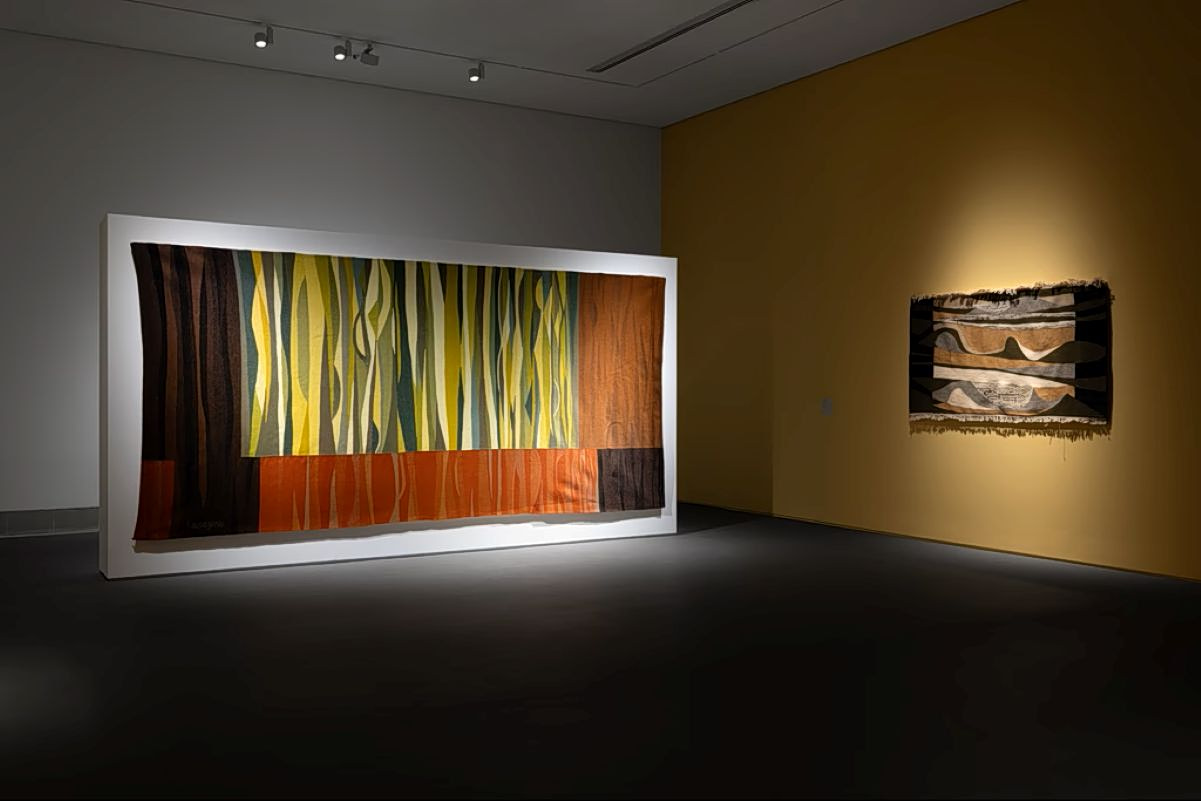
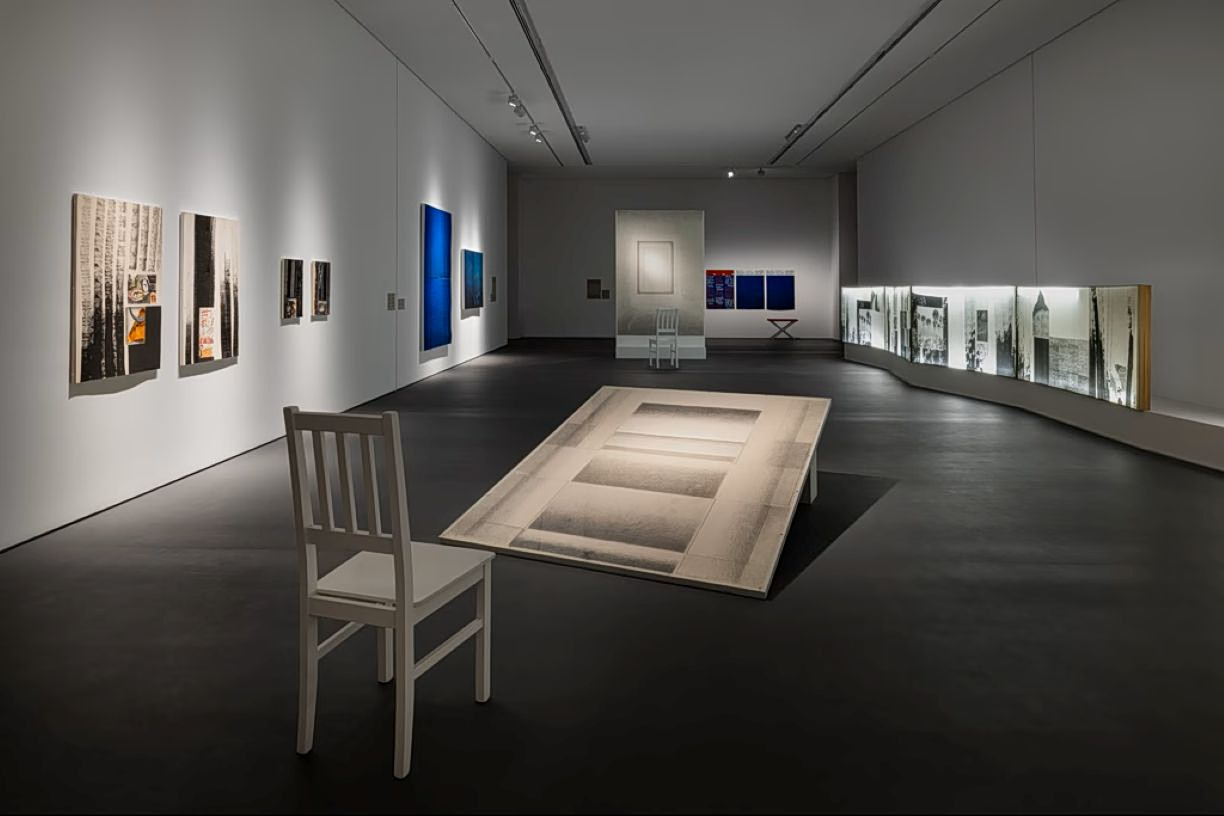
Installation view of the exhibition Ode to Things. Niki Kanagini. Retrospective. Photo: Paris Tavitian
The exhibitions—Stathis Logothetis: On Earth, curated by Stamatis Schizakis; Yannis Christou: Enantiodromia, curated by Kostis Zouliatis in collaboration with the Athens Conservatoire and the Yannis Christou Archive; and Ode to Things – Niki Kanagini. Retrospective, curated by Tina Pandi—open to the public from April 2 to November 8, 2026.
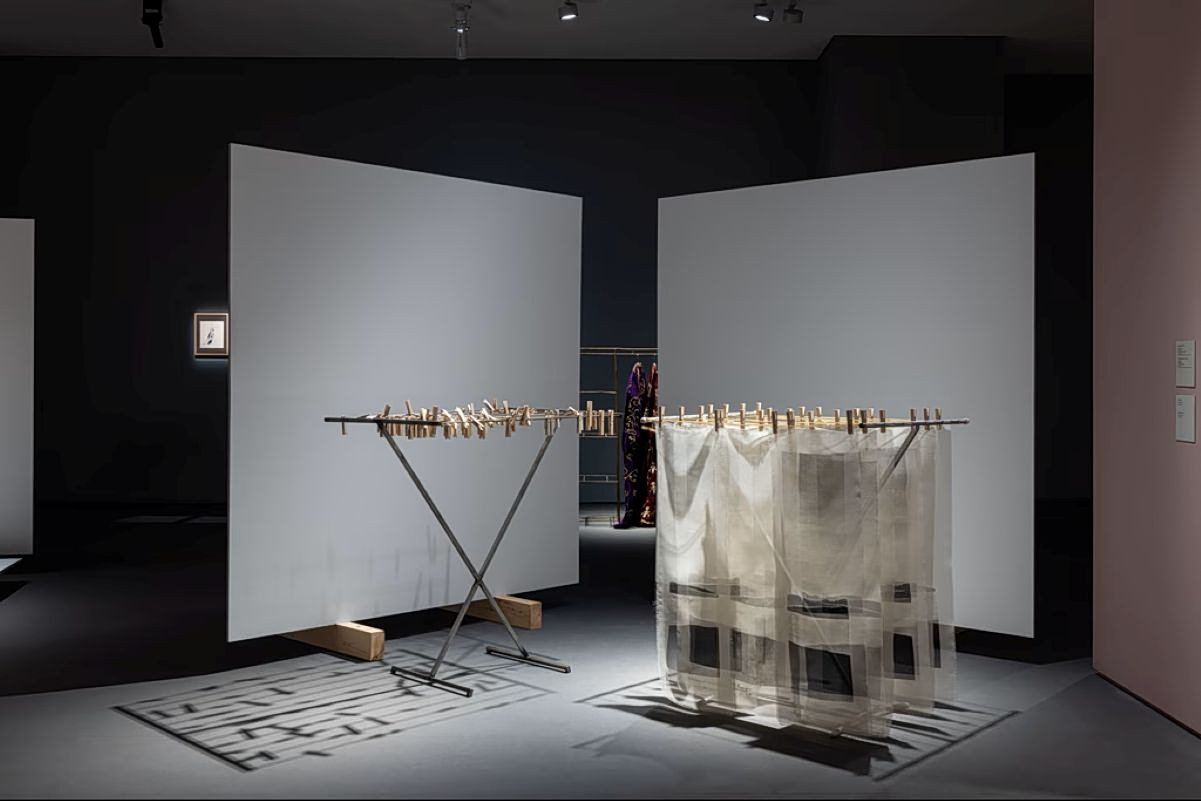
Collection of the National Museum of Contemporary Art (EMST). Installation view of the exhibition Ode to Things. Niki Kanagini. Retrospective.
On the occasion of Kanagini’s pioneering visual language, the exhibition places particular focus on three of her emblematic works. Notably, it will also present for the first time a significant body of her work, soon to be donated to EMST by her family, further cementing her legacy within the museum’s collection.