The death of Jesus on the cross has been the subject of study not only theologically, but scientifically as well. Historians and forensic scientists have examined the execution methods used by the Roman Empire and the physiological effects of crucifixion on the human body.
In ancient Rome there were three main ways of executing criminals, according to historical sources. The condemned could be embalmed after death, burned so that no trace of their body remained, or subjected to crucifixion, the most painful and shameful punishment, imposed on slaves, rebels, and non-Roman citizens, such as Jesus.
“As long as the person remained alive on the cross, birds of prey began to devour them. After three or four days, the animals would eat the flesh as it decomposed and fell from the cross,” explains historian Chevitarese.
The Scientific Approach to Crucifixion
Frederick Thomas Zugibe (1928–2013), a professor at Columbia University and former chief forensic examiner at the New York Institute of Forensic Medicine, conducted a series of experiments in the early 2000s. His goal was to observe how the human body reacts in the position of crucifixion. The results were published in his book Crucifixion of Jesus: A Forensic Inquiry. Young volunteers were placed on wooden crosses 2.34 meters tall and 2 meters wide. Their movements, pulse, and blood pressure were monitored electronically, revealing intense pain and an inability to support the body.
The Weight of the Cross
According to Dr. Zugibe, Jesus carried only the horizontal beam of the cross, while the vertical post was already in place at the execution site. The horizontal piece is estimated to have weighed about 22 kilograms, while the full cross reached 80 to 90 kilograms. The distance Jesus walked is estimated at about 8 kilometers.
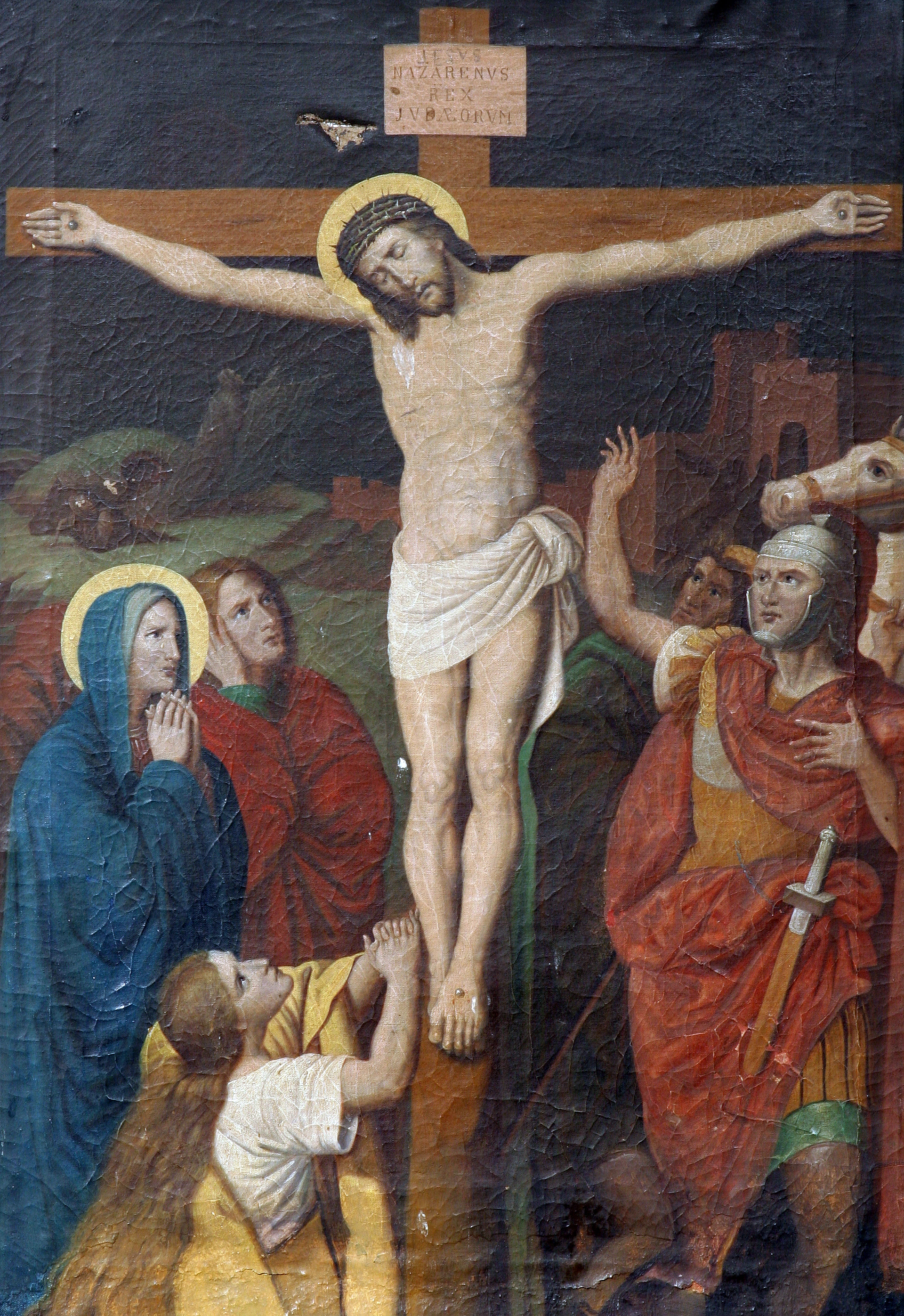
“Roman customs and historical documents confirm the details of the punishment. The condemned had their hands tied or nailed to the cross,” notes Ferrara. Researchers agree that the nails were placed through the wrists, not the palms, in order to bear the weight of the body.
The Cause of Death
Scientists examine three main theories for the cause of Jesus’s death: asphyxiation, heart attack, and hemorrhagic shock. Zugibe’s conclusions indicate that death resulted from cardiac arrest due to hypovolemia — a dramatic reduction in blood volume caused by loss during the torture and crucifixion.
“Crucifixion is a death of physical violence. The time of death depends on the condition of the body and the intensity of the torture that preceded it,” notes Chevitarese. Ferrara estimates that Jesus’s agony lasted a few hours and that he most likely died within two hours of the start of the crucifixion.
The Torture Before the Crucifixion
Roman executioners used a whip with metal balls and sharp edges, known as the asorac. Ferrara explains that the whip used in Jesus’s case had metal attachments that tore the skin and caused deep wounds. According to Zugibe’s experiments, the whip consisted of three leather strips. The condemned typically received 39 lashes, which, due to the triple construction of the instrument, corresponded to 117 painful wounds. This caused fainting, intense bleeding, and serious damage to vital organs. During the journey to the execution site, the condemned received additional blows and humiliations. As the Bible recounts, Jesus was placed with a crown of thorns as a form of mockery.
The Crown of Thorns
Zugibe investigated which plant was used for the crown. After interviews with botanists and Middle Eastern scholars, he concluded it was Euphorbia milii, known as the “Crown of Thorns” plant. According to the forensic scientist, the thorns of this plant cause intense nerve pain, reaching the nerves of the head, rather than merely causing bleeding.
The analysis of scientific and historical data illuminates with calm and precision the manner in which the crucifixion took place, highlighting the brutality of the Roman execution method and the physiological dimension of Jesus’s suffering.