With artificial intelligence increasingly encroaching in the liberal arts and performance spaces, artists turn concern into inspiration. The Athens Epidaurus Festival this week explores human connection through electronic music, avant-garde ideas and reawaking memories through contextual clues.
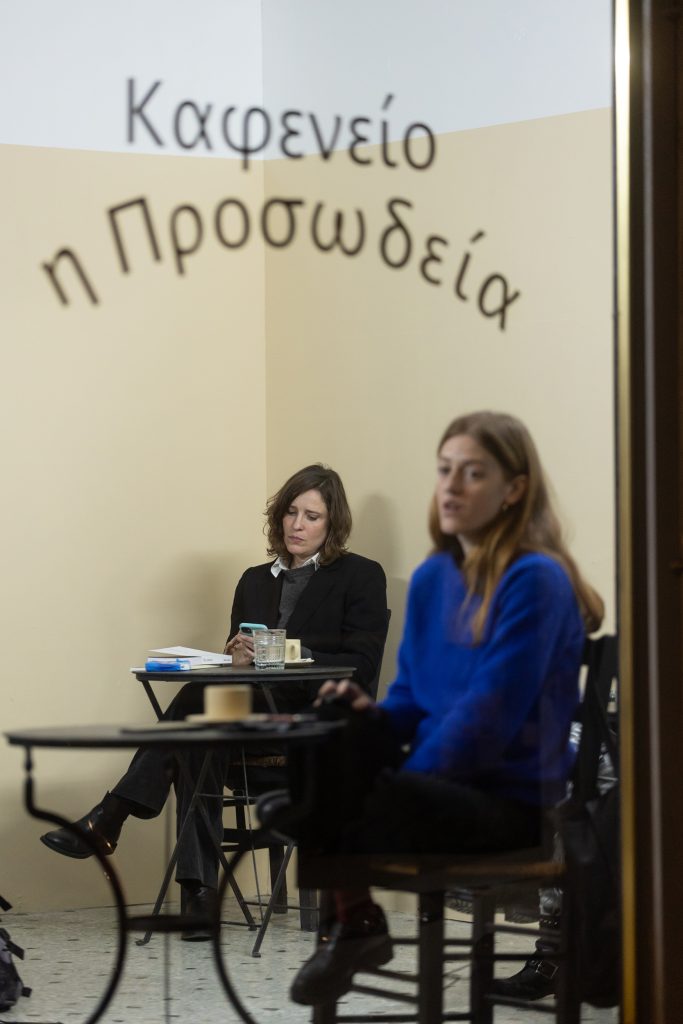
Angeliki Papoulia and Sofia Kokkali ©Pinelopi-Gerasimou
Prosodia
Artist Nicoline van Harskamp’s Prosodia examines the relationship between artificial intelligence and human storytelling through a performance that blends theater, music, and live speech technology. At its center is Prosodia, a synthetic actor preparing to perform an ancient epic alongside human performers, a director, and a traditional musician.
As the group attempts to synchronize their voices, the performance explores three forms of language performance—oral storytelling, acting, and synthetic speech—while questioning how technology shapes expression. A key dramatic challenge emerges from Prosodia’s inability to cry, a limitation that becomes especially significant in a story tradition where epics often end in tears.
Using a custom-built digital tool, performers generate AI speech live on stage, creating a dialogue between human and synthetic voices. Rather than treating artificial intelligence as something mysterious or futuristic, Prosodia investigates how contemporary speech technologies echo ancient patterns of rhythm, narration, and human communication while challenging common myths surrounding AI.
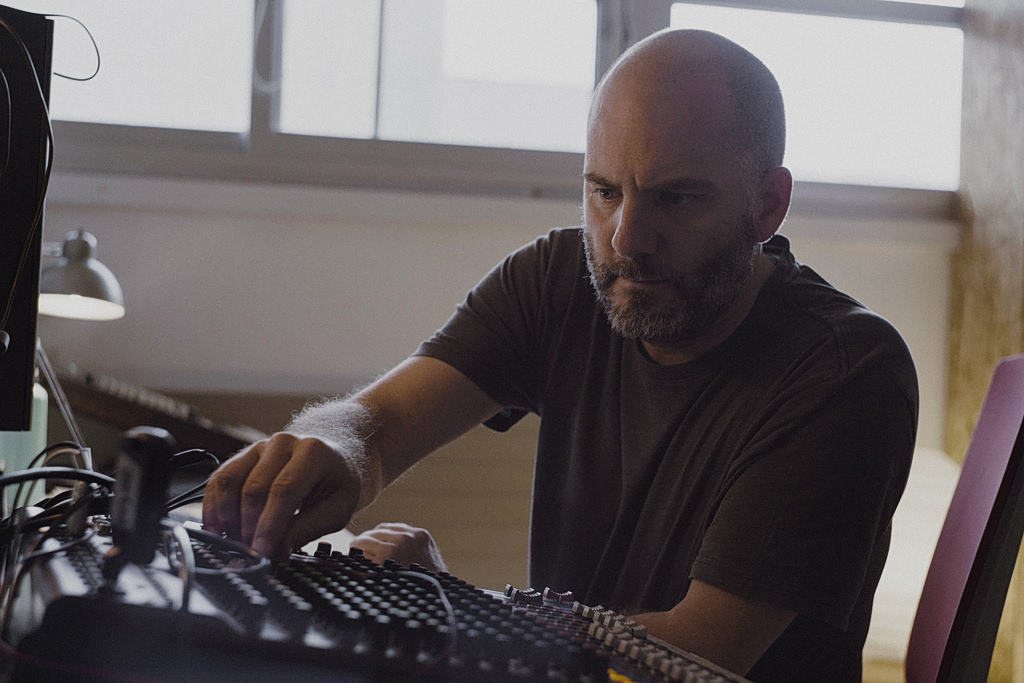
Orestis Karamanlis ©Konstantinos Potamianos
TEMPI – 57 Heartbeats & Electronics
Composer Orestis Karamanlis transforms human heartbeats into a live musical composition in TEMPI – 57 Heartbeats & Electronics, an immersive performance built around connection, empathy, and collective experience.
The work brings together 57 volunteers whose heartbeats are captured through microphones and processed in real time to create an evolving electronic soundscape. The resulting musical structures shift according to the emotional states of those on stage, producing a constantly changing sonic environment.
TEMPI refers to both the plural of the word ‘tempo’, as well as the modern Greek train tragedy that led to 57 people’s brutal deaths.
Inspired by the idea that the first sound every human hears is a heartbeat, the performance explores the invisible bonds that connect individuals. Audience participation is central to the work, with selected spectators contributing their own heartbeats to the composition, reinforcing its message of shared humanity and interconnectedness.
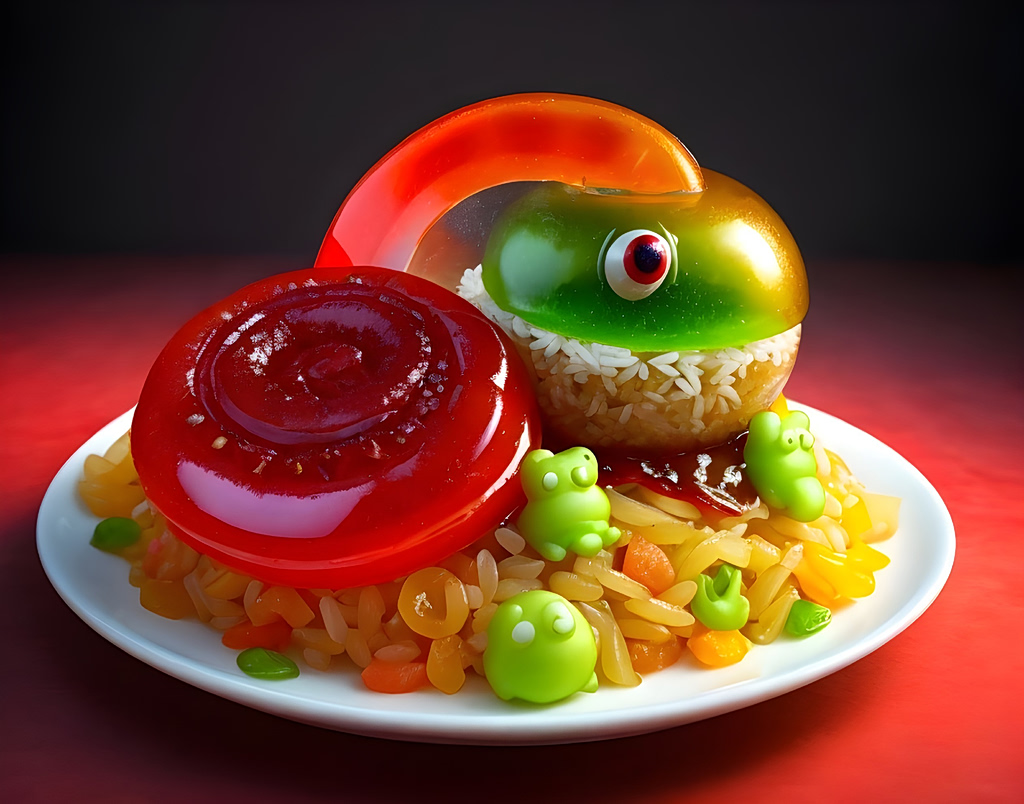
Jaha Koo, Haribo Kimchi concept image.
Haribo Kimchi
South Korean theater maker and composer Jaha Koo blends food, memory, humor, and technology in Haribo Kimchi, a multisensory performance set inside a traditional Korean street-food setting.
While preparing a meal live on stage, Koo shares intimate, bittersweet, and surreal stories that explore belonging, cultural identity, and the search for home. Through the sounds, smells, and rituals of cooking, the performance invites audiences on a journey through personal memories and culinary traditions.
The work introduces three virtual characters—a snail, an eel, and a gummy bear—who reflect on food as a source of comfort and connection. Combining music, digital performers, video, and emerging technologies, Haribo Kimchi examines cultural assimilation, racism, and the desire to remain connected to one’s roots, serving up deeply personal stories infused with humor and melancholy.
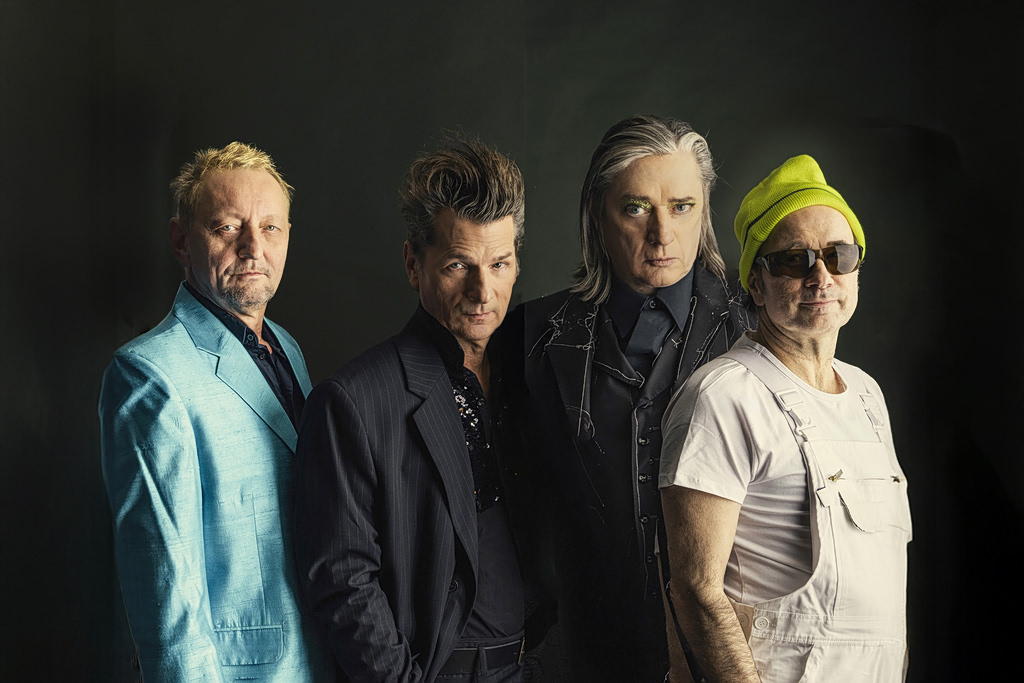
Einstürzende Neubauten.
Ode to the Avant-Garde – Einstürzende Neubauten
German experimental music pioneers Einstürzende Neubauten bring their distinctive industrial sound to the stage with Ode to the Avant-Garde, a concert celebrating nearly five decades of artistic innovation.
Known for redefining the possibilities of music-making, the group creates performances using an unconventional arsenal of custom-built instruments and found objects, including metal sheets, pipes, containers, and mechanical equipment. Their compositions range from atmospheric and hypnotic pieces to powerful noise-driven soundscapes.
Emerging from the urban landscape of West Berlin, the ensemble built its reputation by rejecting traditional musical conventions and transforming industrial materials into instruments. The concert offers audiences a rare opportunity to experience one of contemporary music’s most influential experimental acts, whose work continues to challenge expectations and expand the boundaries of sound.

Promotional banner for Moires.
Moires
Composer Lena Platonos and acclaimed vocalist Maria Farantouri join forces for Moires, a performance that bridges ancient poetry, contemporary composition, and electronic music.
The program draws inspiration from women poets of the ancient world, bringing their surviving words and stories into the present through new musical interpretations. Themes of love, friendship, war, nature, life, death, and gender equality run through the works, which combine electronic textures with elements inspired by ancient and traditional musical forms.
At the heart of the evening is Moires, a new composition by Platonos featuring poetry by Thanos Tsaknákis, written for flutist Stathis Karapanos and Farantouri’s iconic voice. The performance concludes with a tribute to Sabotage, Platonos’ landmark 1981 album that helped establish electronic music in Greece, reimagining selected pieces through new arrangements for flute.