
 Μake us preferred on Google
 Every summer, dozens of people lose their lives or are injured, while children are also involved in numerous accidents during holidays by the sea. Although the beach offers an ideal setting for play and recreation, experts urge parents and caregivers to follow basic safety measures to prevent avoidable incidents.
“Summer is the most beautiful season of childhood, but it is also a time when many accidents occur. With a little knowledge and preparation, most of them can be prevented,” pediatrician Areti Manioti told ERT’s public broadcaster.
Among her key recommendations is thorough protection from the sun. Sunscreen should be reapplied every two hours, she said, stressing that staying under an umbrella alone does not provide adequate protection. Ultraviolet radiation is reflected by both seawater and sand, while repeated sunburns during childhood have been associated with a significantly higher risk of developing melanoma later in life.
Manioti also warned of the risk of choking on food at the beach, particularly among young children. Hard, round or sticky foods should be avoided, she advised.
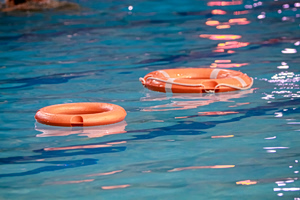
Above all, however, she emphasized constant supervision around water. “The number one rule is supervision. Neither life jackets nor inflatable armbands can replace it,” she said, urging adults to put away their phones and remain fully focused on children in or near the water.
“While the child is in the water, we are not playing with Instagram. We are watching them,” she stressed.
The pediatrician also highlighted the importance of preventing dehydration and recognizing the differences between heat exhaustion, sunstroke and heatstroke. Children often become absorbed in playing and may forget to say they are thirsty, making it essential for adults to offer them water frequently, even when they do not ask for it.
Sunstroke may cause symptoms such as headache, fever and nausea or vomiting. Heatstroke, however, is a medical emergency. Body temperature can rise above 40 degrees Celsius, potentially affecting the brain, heart and kidneys and causing seizures or loss of consciousness.
Anyone showing signs of heatstroke should be taken to an emergency department immediately, Manioti warned.