 Μake us preferred on Google
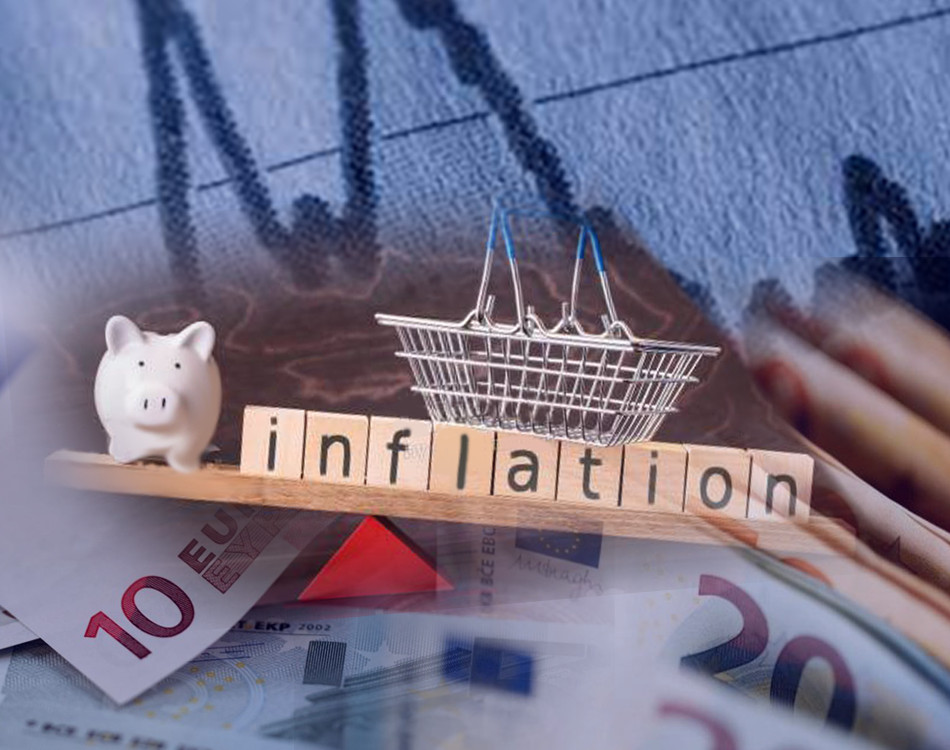
 Inflation in Greece edged slightly lower in March 2025, settling at 2.4% on an annual basis, down from 2.5% in February, according to the latest figures published by the Hellenic Statistical Authority (ELSTAT). While the moderation signals a tentative easing of price pressures, the broader picture remains complex, with certain sectors continuing to drive costs higher for consumers.
The General Consumer Price Index (CPI) recorded a 1.4% increase from February to March, a rate only marginally below the 1.5% month-on-month rise seen a year earlier.
Over the past 12 months, spanning April 2024 to March 2025, the average CPI climbed by 2.6%. That’s slightly less than the 2.8% rise during the equivalent period the previous year, suggesting a mild slowdown in inflationary momentum.
Still, the reality for Greek households remains nuanced. While some essential goods have become more affordable—most notably olive oil, which saw a dramatic price drop of over 23%—this relief is far from universal. The cost of many everyday items continues to climb, particularly within the food sector.
Consumers have faced noticeable increases in staples such as fish, sugar, baked goods, and coffee, pushing food inflation to an annual rate of 2.2%.
At the same time, the burden of housing-related expenses remains significant. Rents have surged by more than 10% over the past year, and electricity prices have followed a similar trajectory. Hotel accommodation costs have also jumped, reflecting persistent upward pressure in the services sector.