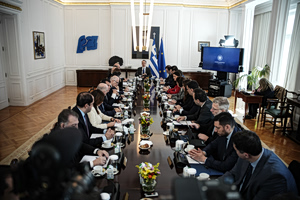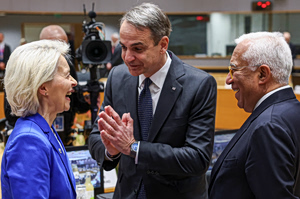

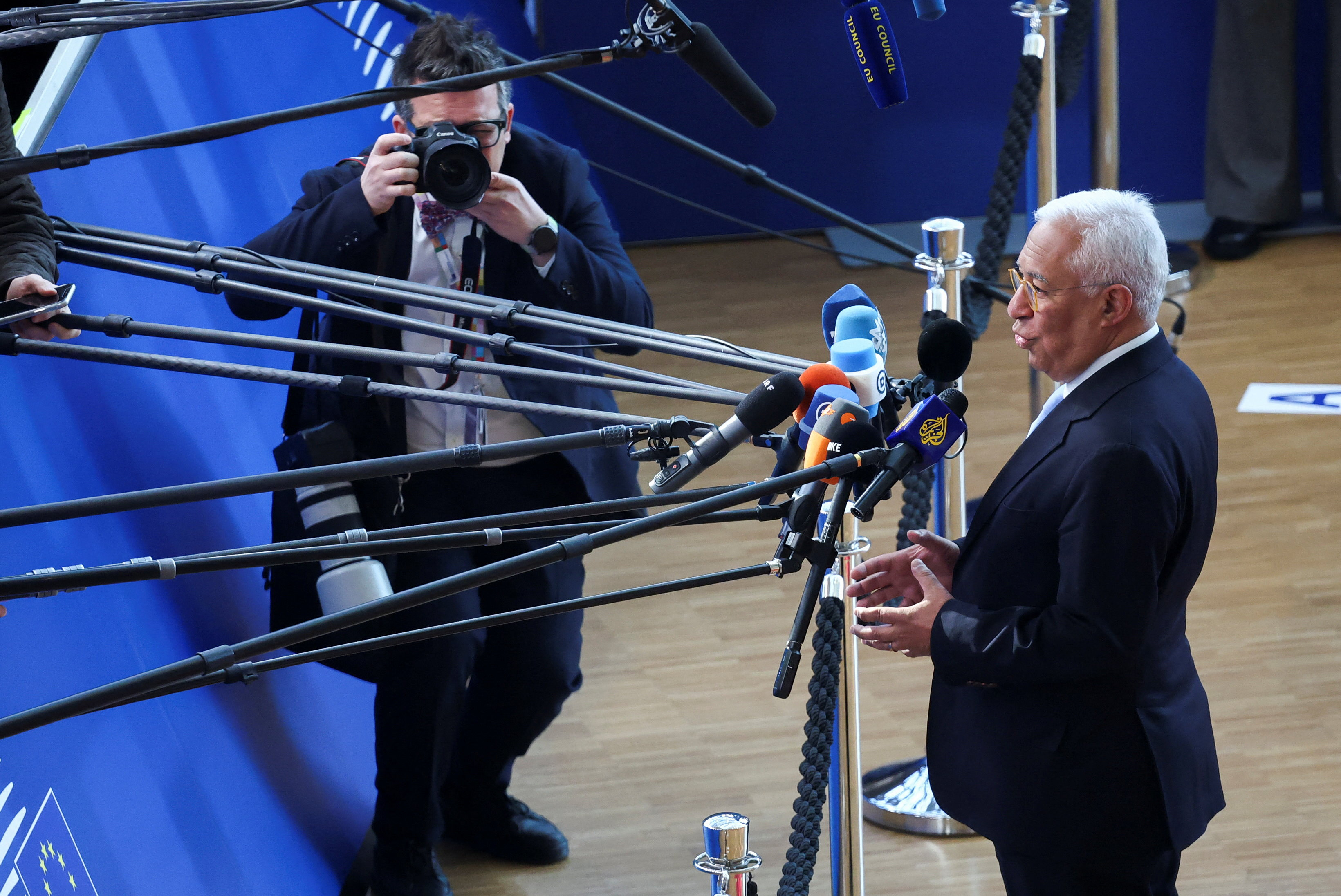
Union leaders are gathering in Brussels today and tomorrow for a critical summit overshadowed by a deepening energy crisis, as oil and natural gas prices surge and geopolitical tensions in the Middle East continue unabated.
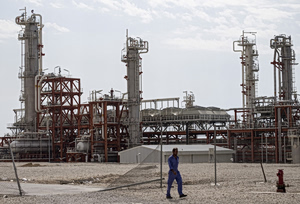
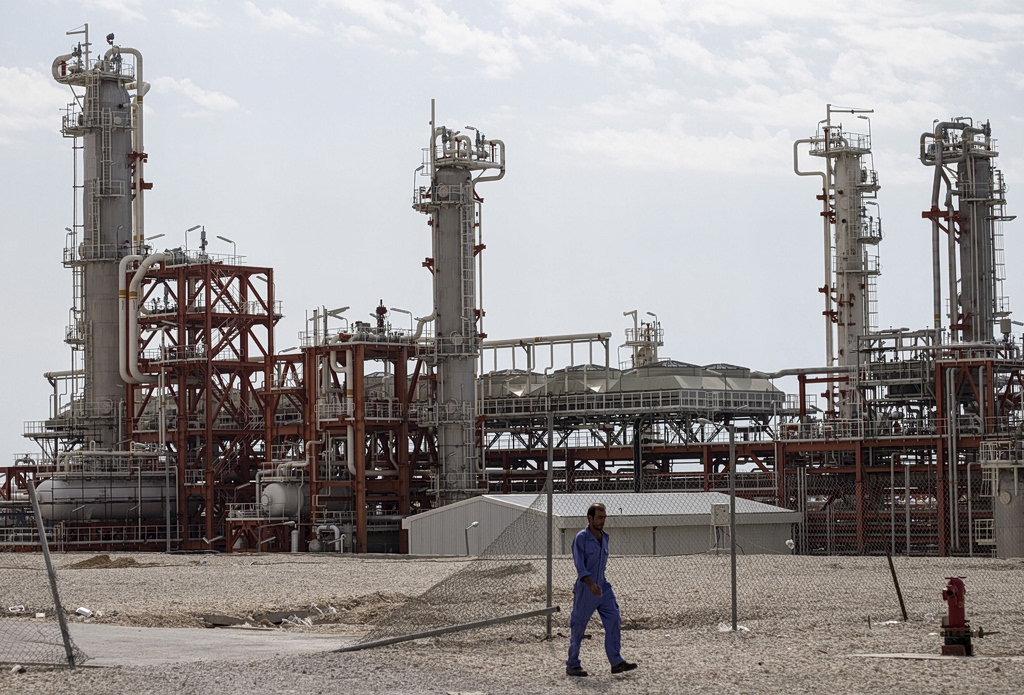
With Brent crude trading above $110 per barrel, and European gas prices surging more than 20% since yesterday’s attacks on energy infrastructure in Iran and Qatar, the stakes are high. Leaders have already begun arriving, and several have issued pre-summit statements underscoring the urgency of coordinated action.
Energy crisis dominates early discussions
The crisis, driven by the ongoing conflict in the Middle East, is widely viewed by energy analysts as more severe than the energy shock triggered by the war in Ukraine. Rising energy costs are already straining economies across the bloc, putting pressure on governments to respond swiftly. EU leaders are expected to seek compromise solutions that will help preserve competitiveness while protecting the stability of the single market.
Eurogroup President and Greece’s finance minister, Kyriakos Pierrakakis, warned earlier this week that even if the conflict were to end immediately, it would take at least two months for conditions to return to normal.
Greece moves toward diesel subsidy
In Greece, the surge in fuel prices has become particularly acute, with diesel identified as the main source of concern.
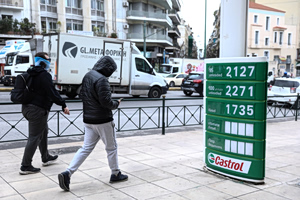
Prices have jumped by more than €0.35 per liter in just 20 days, pushing the nationwide average to €1.916 per liter and nearing €2. Government-imposed price caps have so far failed to curb the increase.
According to reports, the Finance and Energy ministries have proposed a subsidy at the pump for diesel fuel — a measure previously used during the 2022 energy crisis, when support reached €0.15 per liter.
The Greek Prime Minister has signaled that such a move is under consideration during a recent interview with Bloomberg, pointing to the sharp rise in diesel prices and its importance for business activity. Instead of rolling out a new round of the so-called “Fuel Pass” — a subsidy scheme previously used to support gasoline consumers — the government is focusing on targeted support for diesel. The approach reflects both the faster pace of diesel price increases compared with unleaded fuel and its central role in transportation and the broader economy.
Tax cuts on fuel under consideration
Alongside national measures, EU leaders are expected to discuss reducing taxes on fuel and energy.
Several member states are pushing for the summit’s conclusions to include a call for EU institutions to examine a framework for tax relief. Greece supports the initiative if implemented on a European level, since it has the potential to significantly ease pressure on consumers.
Fuel taxes account for about 60% of gasoline prices and roughly 50% of diesel prices in Greece, highlighting the potential impact of any reduction. However, implementing such measures would likely require loosening EU fiscal rules governing national budgets.
Broader tools to tackle the crisis
Leaders are also expected to explore additional measures. These include the use of the EU’s recently adopted state aid framework for industry, known as CISAF, as well as a potential easing of emissions rules.
Some countries, including Greece, are advocating for more flexibility in carbon emissions targets, arguing that high fuel costs are already placing a heavy burden on industry.
The summit will also review tools used during the previous energy crisis, such as a cap on electricity prices — a mechanism to recover part of the revenues of power producers — as well as the so-called Iberian model of support. Other options include windfall taxes on oil companies and a cap on natural gas prices at the Dutch TTF benchmark.
For now, electricity prices remain at manageable levels, and no immediate intervention is expected in that sector.
source: ot.gr, politico