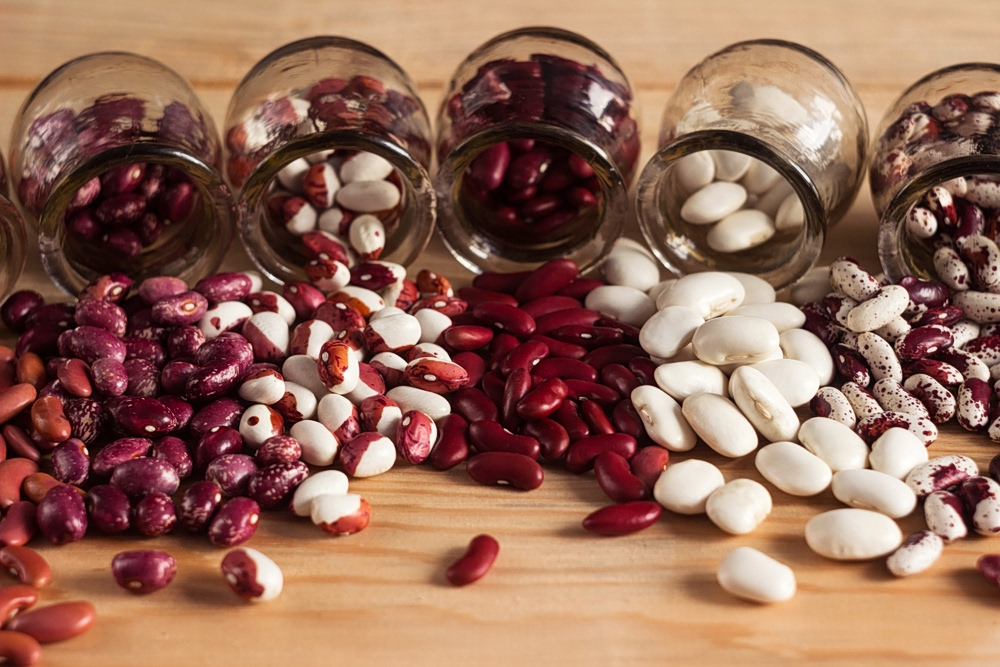
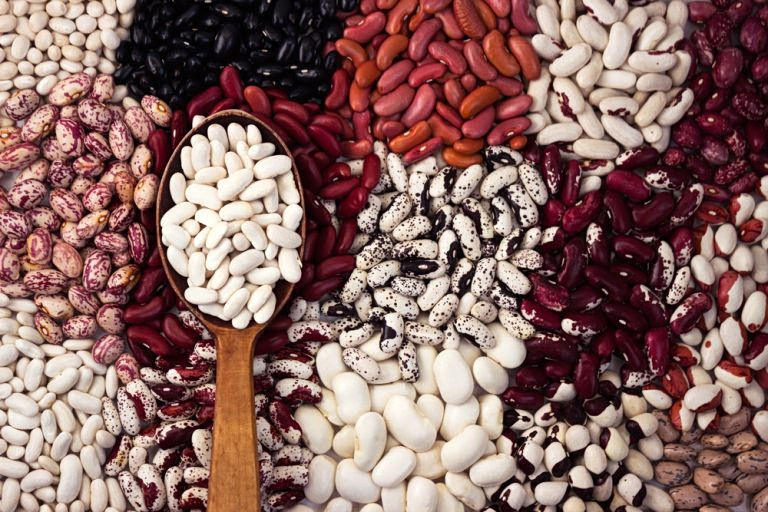
Beans are a staple of Greek cuisine — warming winter meals and a cornerstone of Lenten traditions. Small white beans, tender “gigantes” (giant beans), or colorful local varieties appear in hearty, earthy dishes that comfort the body and soul. Though originally from the Americas, beans adapted perfectly to Greece’s climate, evolving into unique regional varieties that have become deeply rooted in Greek culinary tradition.
The Journey of Greek Beans
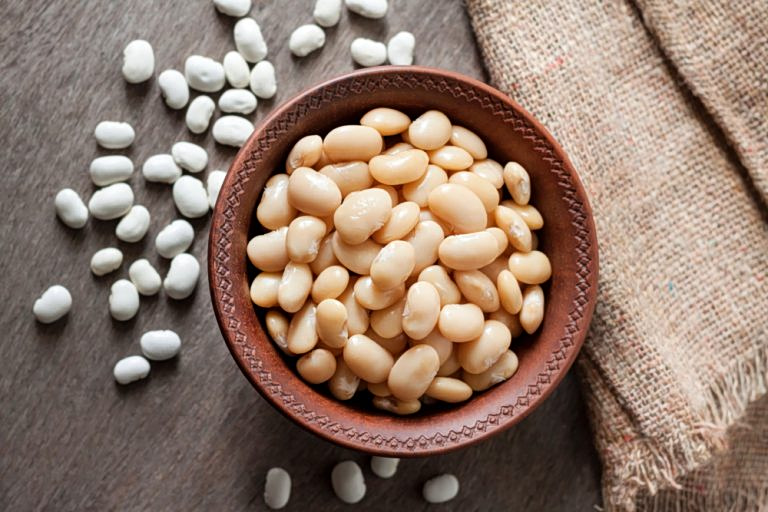
Most beans, including the famous “gigantes,” arrived in Europe from the Americas after Columbus’ discovery of the New World. In Greece, the seeds thrived, evolving into varieties that differ by region. Today, they feature prominently in countless traditional dishes.
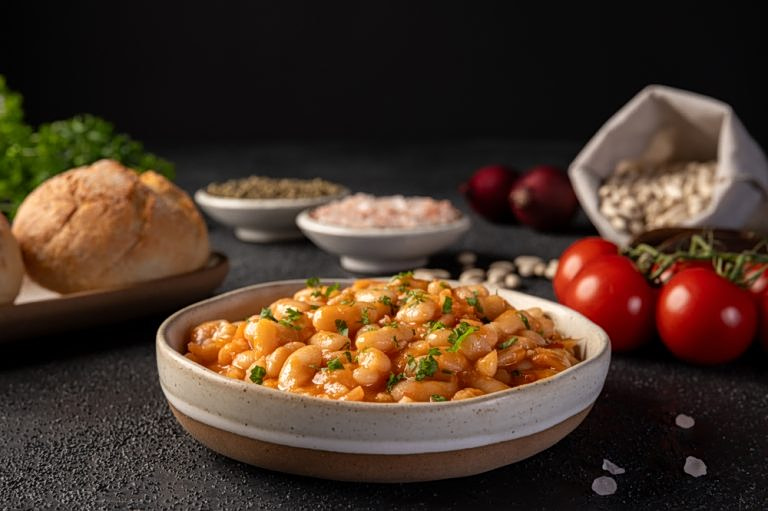
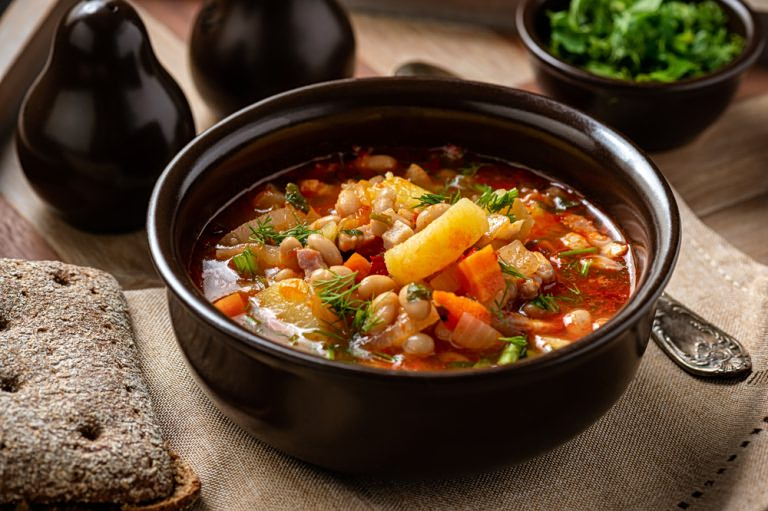
The most iconic is fasolada, the thick bean stew, often considered Greece’s national dish and ultimate winter comfort food. Beans are simmered patiently with onions, carrots, celery, and olive oil, then served with fresh bread, olives, or pickled accompaniments for added flavor.
Popular Varieties Across Greece
- Northern Greece: Giant beans, mainly in Western Macedonia, have a buttery texture and retain their shape after cooking. In areas like Florina, Kastoria, and Prespa, thin-skinned beans are prized for their creamy texture and natural sweetness. Colored varieties grown here are also highly flavorful.
- Central Greece: Medium-sized white beans from Larissa are perfect for fasolada, absorbing flavors beautifully while keeping their shape.
- Peloponnese: The famous “vanilia” beans from Lake Doxa are small, round, and creamy after cooking.
- Crete: Small, tender beans from Chania offer a delicate natural sweetness and intense flavor.
Regardless of size or color, beans are rich in protein, iron, magnesium, and B vitamins. Proper preparation preserves these nutrients and ensures the perfect texture.
Cooking Secrets for Perfect Beans
- Soak first: Cover beans in water for 8–12 hours to reduce cooking time and remove compounds that cause bloating.
- Boil in fresh water: Strain soaked beans, then cook in new water. Skim during the first boil for lighter, easier-to-digest beans.
- Add salt and olive oil late: Early addition of salt or olive oil can toughen the skin or lengthen cooking times. Adding olive oil toward the end gives a richer, more harmonious result.
- Cook slowly: Gentle simmering preserves sweetness and flavor.
- Choose fresh beans: Older beans take longer to cook. Look for uniform, shiny, firm beans, ideally with PDO or PGI certification for authenticity.
Regional Cooking Styles
Greek beans reflect local geography and culinary heritage:
- Northern Greece: Often paired with peppers, paprika, or acidic flavors, and sometimes cooked with smoked or cured meats.
- Epirus: Beans appear as thick stews with onions and minimal oil.
- Thessaly: Typically red-stewed with potatoes and herbs, served with olives.
- Peloponnese: Giant beans baked with tomato, onion, olive oil, and parsley.
Each region’s approach has shaped a rich gastronomic map, turning beans into a beloved national ingredient.
Recipe: Greek Beans with Cabbage
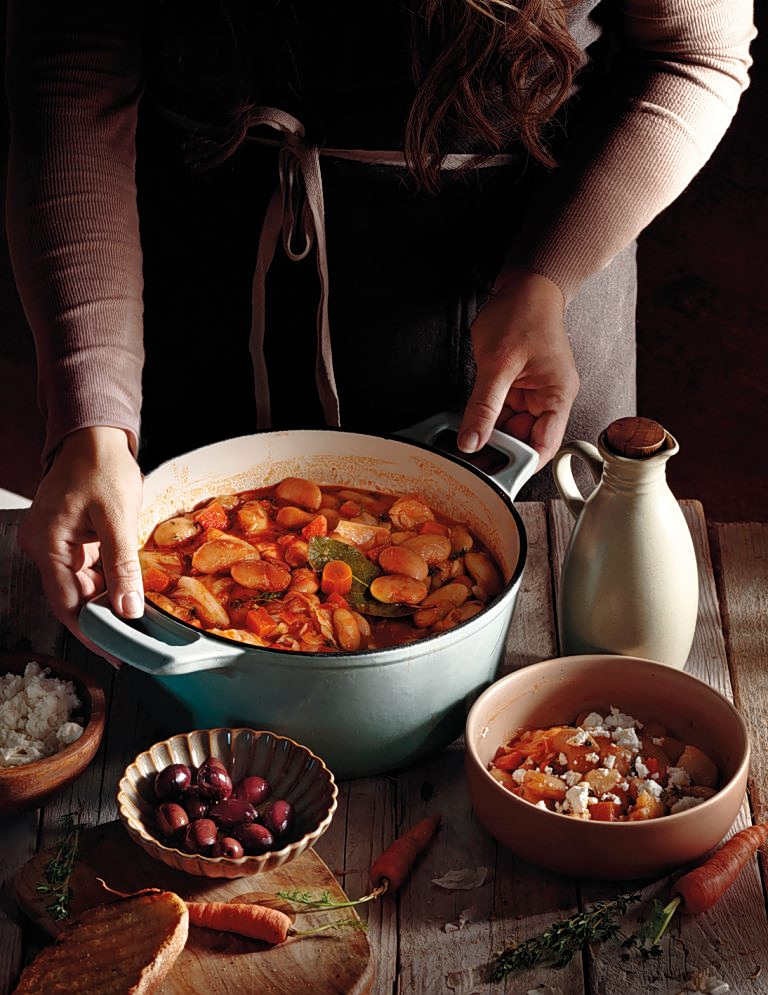
By Chef Nikos Karathanos – Ateno Cook & Deli
Prep time: 15 min | Cook time: 1 hr 45 min | Difficulty: Easy
Servings: 4
Ingredients:
- 250 g giant beans (gigantes)
- ½ medium cabbage, chopped into large pieces
- 1 large onion, finely chopped
- 2 carrots, diced
- 2 garlic cloves
- 200 ml extra-virgin olive oil
- 200 g grated tomato
- 1 tbsp tomato paste
- 1 bay leaf
- Vegetable stock
- Salt and freshly ground pepper
Method:
- Soak beans overnight (or for at least 8 hours) in cold water. Drain and rinse thoroughly.
- Heat olive oil in a large pot. Sweat onion, carrot, and garlic gently.
- Add beans, tomato paste, grated tomato, and bay leaf; stir. Cover with vegetable stock and simmer for about 1½ hours.
- 15 minutes before finishing, add cabbage, salt, and pepper. Reduce heat and cook slowly until cabbage is tender.
- Serve hot in deep bowls, topped with a little crumbled feta, rustic bread grilled with salt and oregano, and a few olives on the side.