
If you’ve ever strolled through a Greek street fair, known as a “panayeri” or browsed the menu of a traditional Greek sweets shop, you’ve probably come across loukoumades—those irresistible golden dough puffs drenched in syrup or honey, often topped with cinnamon or crushed nuts. These bite-sized delights are one of Greece’s most beloved desserts, and for good reason.
What Are Loukoumades?
Loukoumades (λουκουμάδες) are deep-fried dough balls that are crispy on the outside and soft and airy on the inside. Traditionally served warm, they are soaked in or drizzeld with a honey-based syrup and often sprinkled with cinnamon, sesame seeds, or crushed walnuts. In more modern versions, you’ll find them drizzled with chocolate, stuffed with creams, or topped with ice cream.
While they’re often compared to donuts or donut holes, dependent upon their shape, loukoumades are lighter and more syrupy, making them a unique experience all their own.

A Brief History of Loukoumades
Loukoumades have a surprisingly long and layered history, with connections to Ancient Greece and the greater region.
Ancient Greek literature mentions “cakes boiled in oil” and “seasoned in honey”, identifying them as enkrides (ἐγκρίδες), in book XIV, Chapter 54, of Athenaeus’ Deipnosophistae. The sweets were often consumed during festivals and ceremonial occasions. Charisios, another name for festive honeyed treats, appears in Greek poetry (e.g., Callimachus).
The modern name of loukoumades is derived from the Arabic word luqma (لُقْمَة), meaning “bite” or “morsel,” which may rightly remind some of the jelly-like loukoumi, which are covered in powdered sugar. During the Ottoman period, luqma became lokma in Turkish, and variations like luqaimat spread across the Middle East.
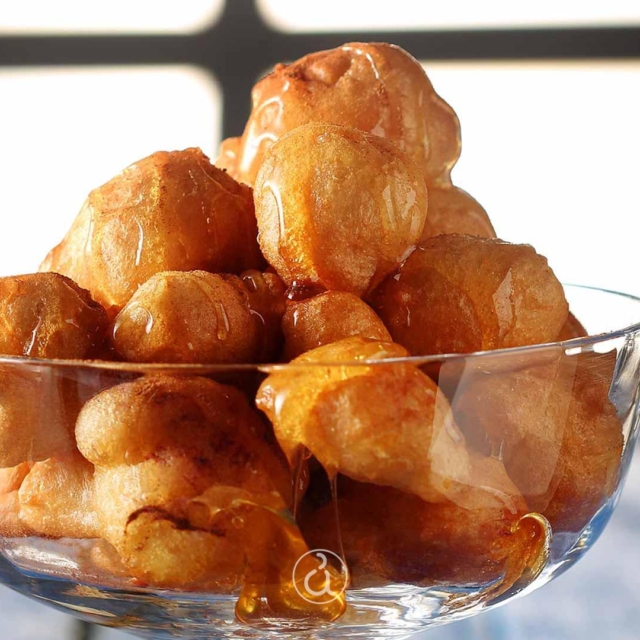
The 13th-century Arabic cookbook Kitab al-Ṭabīkh includes a recipe for luqmat al-qadi (“judge’s morsels”)—fried dough balls soaked in syrup, nearly identical to today’s loukoumades, according to Michael Krondl, author of Sweet Invention: A History of Dessert.
Where to Find Loukoumades in Greece
Whether you’re in Athens, Thessaloniki, the island of Skopelos, made famous in Mama Mia, or a small island village, you’ll likely find loukoumades on offer. They’re commonly sold at sweet shops, food stalls during festivals (such as the annual August 15 Dormition of the Holy Mary), traditional tavernas or cafes specializing in desserts.
Over time, loukoumades have moved beyond the traditional sweet morsel of honey and cinnamon, to versions with ice cream, strawberries, and even dubai chocolate-inspired loukoumades, which one loukoumades owner on the island of Rhodes is so convinced that you will love, that he promises not to charge you if you don’t!
Δείτε αυτή τη δημοσίευση στο Instagram.
As you visit Greece this summer, be sure to keep your eyes peeled for loukoumades. To assist you, we have compiled a list of a few places where you are sure to find loukoumades on the menu.
Best Places to Try Loukoumades in Greece
If you’re wondering where to try the best loukoumades in Greece, here are a few must-visit spots:
1. Lukumades (Athens)
This modern dessert bar near Monastiraki offers creative twists like praline, pistachio cream, and even loukoumades with ice cream. It’s a hit with locals and tourists alike and is rated high on tripadvisor, noting that it also has vegetarian options.
Δείτε αυτή τη δημοσίευση στο Instagram.
2. Loxandra’s Loukoumades (Thessaloniki)
This northern Greece shop is famous for over-the-top toppings, including Nutella, Oreo crumbles, and white chocolate, and is known by the locals as the best-kept secret sweets shop of police officers.
Δείτε αυτή τη δημοσίευση στο Instagram.
3. Paradosiako (Naoussa, Paros)
On the Cycladic islands, local honey, mastiha-infused creams, and seaside views give loukoumades a unique regional flavor- this sweets shop is considered one of the best on Paros.
Crispy, gooey, and deeply satisfying, loukoumades offer a glimpse into centuries of Mediterranean culinary exchange—from ancient rituals to Arabic cookbooks and modern dessert trends. Don’t miss out the chance to try them on your next trip to Greece, and make this historical sweet part of your own story.