The world is in upheaval, and familiar structures are at risk of breaking apart. With the crisis of multilateralism, bilateral relations are regaining significance. For Greece, its relationship with Germany – Europe’s economic and political powerhouse – is of central importance. And Berlin, for its part, sees Athens as a key partner in a region vital to its own interests.
The relationship has seen its share of ups and downs – but at present, it is in a good phase. “We are on a path that points to a positive trend,” Andreas Kindl, Germany’s ambassador to Athens, said last weekend at the conference of the Association of German-Greek Societies (VDGG). The umbrella organization represents more than 30 German associations devoted to fostering German-Greek relations. For the first time, the leadership and a number of members of this most important German philhellene organization traveled to the Greek capital for their annual meeting.
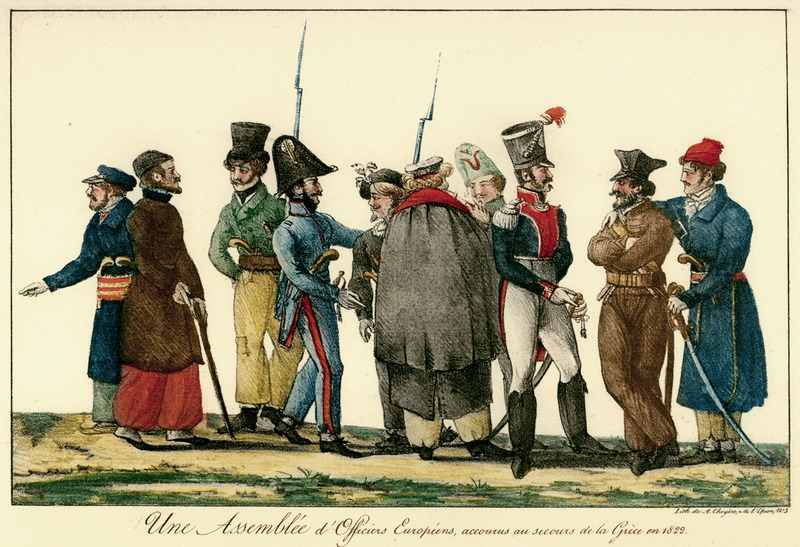
The invitation came from the Greek association Philadelphia, founded in 1837. Since then, it has served as an organizational umbrella, primarily for Germans living in Greece and for Greeks with a strong interest in Germany. German philhellenism has a long, at times proud, history. Its ties to the role played by German friends of Greece in the country’s struggle for independence from Ottoman rule are well documented. All of that is history. The question today is: what does philhellenism mean in contemporary Germany? What role does “friendship with Greece” play in 2025?
Thanks to a recent opinion survey conducted this spring – and now also the subject of debate in Athens – we have a fairly clear picture of how people in Germany think and feel about Greece. Notably, 36 percent of respondents said they identify fully or partly with philhellenism. That is remarkable, given that the term, derived from Greek, is hardly part of everyday German usage. Even more striking, when asked for their general opinion of Greece, two out of three Germans responded “good” or “very good.”
Tourism is regarded as the most important source of this positive perception – ironically, the very mass tourism that is so often criticized. The overwhelming majority of the more than four million Germans who vacation in Greece each year return with favorable impressions. Whether this tourism-driven “love of Greece” will ultimately prove durable remains an open question.
The German philhellene associations, now gathered in Athens for their annual assembly, go a significant step further than the average German tourist in their engagement with Greece. They organize a wide range of educational programs centered on Greek themes. The spectrum extends from language, dance, and cooking courses to film evenings, poetry readings, and academic lectures. All share the goal of creating platforms for information and dialogue on Greek issues. In this way, these civil society organizations make an important contribution to mutual understanding. But not much beyond that.
The German philhellene associations cannot be compared with a political lobby for Greek interests such as the influential “Greek Lobby” in the United States. Nor do they aspire to play such a role. At best, that political function – modeled on the American example – could be assumed by the Greek diaspora in Germany. About half a million people of Greek origin live in Germany; most are well integrated, and many hold German citizenship. Greece’s emigrants are organized nationwide in their own communities. There is, however, no sign of a coordinated strategic front. And yet such an alliance would be a necessary precondition if Greece’s national interests were ever to carry greater weight in German politics.
Dr. Ronald Meinardus is Senior Research Fellow and Coordinator of Research Projects on Greek-German Relations at the Hellenic Foundation for European and Foreign Policy (ELIAMEP).