 Μake us preferred on Google
 To kill the time on long road trips, I listen to narratively complete mystery podcasts that remind me of Netflix at its best. Most of the time, they’re not fictional, but products of investigative journalism. For two travel seasons now, I’ve been fascinated by a podcast called “In the Dark”, which is the work of the investigative team at the New Yorker and their external collaborators. I inhaled its first season (about the kidnapping of a young boy in Minnesota in October 1989) in a single session on the drive back from the Albanian border to Athens last summer. And the third season (about the massacre of 24 unarmed civilians in Haditha, Iraq, by US Marines in 2005) as I crossed Normandy this year.
Although the topics may seem very American at first glance for us here in Greece, they actually retain their fascination undiminished, because the podcast doesn’t focus on the facts alone, but also on the whodunnit aspect, the whys, and most of all on the authorities’ inability to solve the crimes and assign blame. So, on the disheartening failure of the police investigation and the US armed forces’ refusal to hold to account serving soldiers who committed war crimes.
There is an extra season, which deals with something ‘lighter’ but equally horrifying: the high price paid by multiple women who get involved with the males of Dubai’s royal family, and democratic governments’ willingness to turn a blind eye to the men’s abuse.
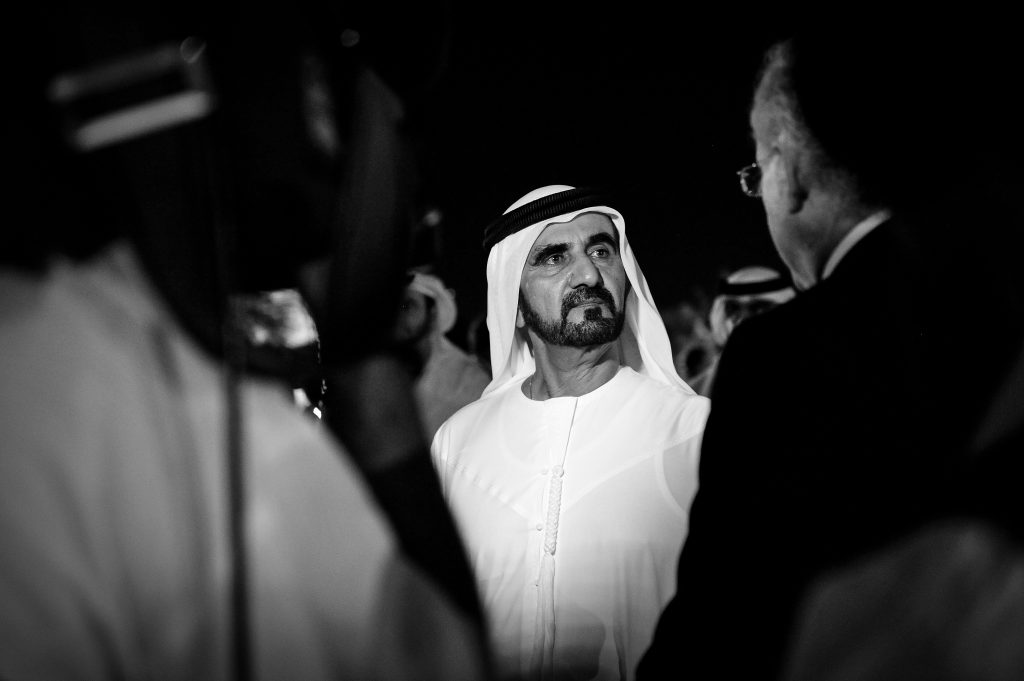
Sheikh Mohammed bin Rashid al-Maktoum, the Prime Minister of the United Arab Emirates, has imprisoned any of his daughters who have tried to escape his stranglehold on multiple occasions and for years at a time. Outside the UAE, various of his relations have beaten and raped dozens of call girls, and held them captive in their UK mansions. And, regardless of their political hue, British governments have put a stop to all and every police investigation into the repeated allegations of assault and rape.
So, what is so interesting and enraging about the cases the podcast investigates is not just the abuses of power by people with positions and weapons (sheikhs, armed marines, police officers), but also how the institutions of democratic states turn a blind eye to these incidents. The British authorities have repeatedly handed members of the Dubai royal family who risked their lives to escape back to the Emirati authorities. In the Haditha Massacre in Iraq, the military laws that are supposed to rein in the behavior of US Marines during wartime disregarded the international law on war crimes: the killing of civilians in cold blood.
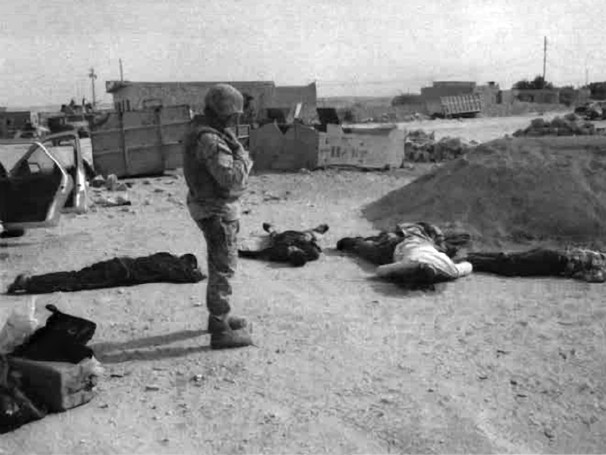
Haditha massacre, Public Domain via Wikimedia commons
And that is the tragic incongruity they underscore: soldiers are subject to the justice of the court martial, which is biased in their favor; police officers who do not do their job properly are subject to the biased justice of the Department of Internal Affairs; and wealthy sheikhs who violate human rights are subject to the favorable justice of their democratic allies. But unarmed civilians are subject only to the merciless justice of violence and the sword.
Let’s not forget that none of this would have come to light if it were not for that precious thing we call investigative journalism: skilled, curious reporters who spend years painstakingly gathering and cross-checking information, reporting only what can be proved by multiple sources, setting aside any personal convictions and any fears they may have about pitting themselves against those who are systematically not held to account. Who so what they do to bring to light the evils of complex bureaucratic or dynastic power systems behind which the most heinous acts can sometimes lie hidden. And to do so in their own name, behind no shield of anonymity.
Such feats are rewarded with Pulitzer or Peabody prizes. “In the Dark” has won three: one for each of his seasons.