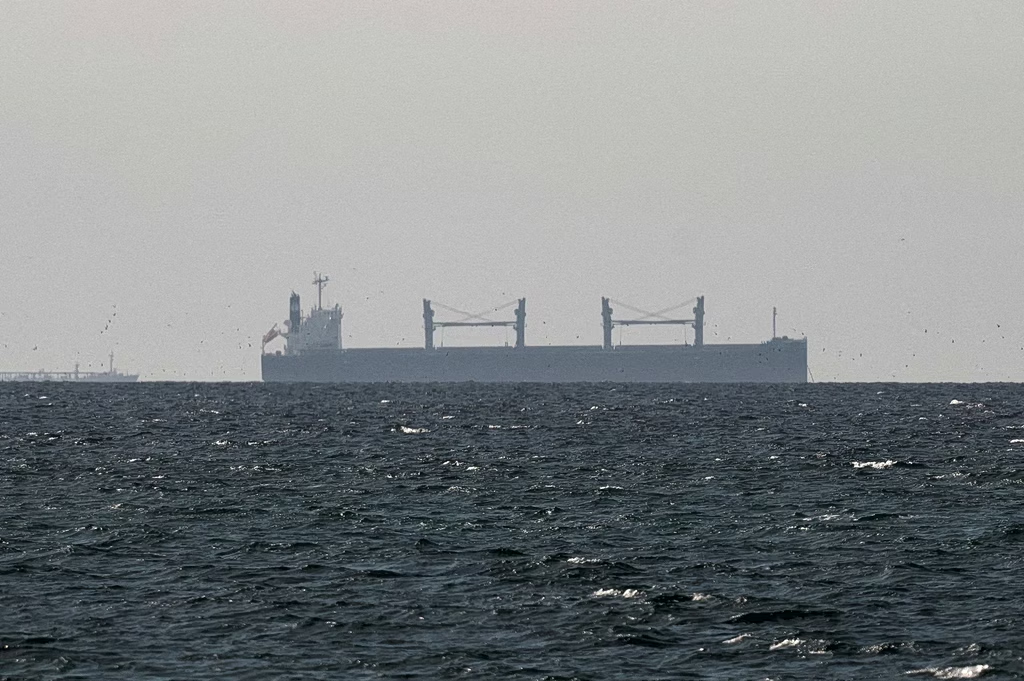
Greece and Italy will continue working together to strengthen the competitiveness of European shipping and ports, Greek Minister of Maritime Affairs and Insular Policy Vassilis Kikilias said during an international shipping conference in Rome.
Speaking at the “Shaping the Future of Shipping Summit 2026 – Forging Partnerships for Resilience,” Kikilias highlighted the strategic importance of maritime transport for Europe’s economy and stressed the need for policies that support the shipping sector without creating additional pressure on European households.
“Greece and Italy will continue to fight together for the competitiveness of European shipping and European ports, as well as for a fair and realistic energy transition of the maritime industry,” Kikilias said.
Shipping’s role in Europe’s competitiveness
During a ministerial panel at the International Chamber of Shipping Summit, Kikilias emphasized the importance of European shipping and ports, noting that around 90% of global trade is carried by sea.
He argued that Europe should use its maritime sector as a strategic advantage at a time when the European economy is facing competitiveness challenges compared with the United States and China.
According to Kikilias, major future agreements involving shipyards, energy, shipping, marinas and the cruise sector will be closely linked to maritime activity, creating opportunities for economic growth and employment.
He also underlined the importance of cooperation among Southern European countries, saying that the Greek and Italian shipping communities represent key pillars of the European economy, with strong connections to society and real economic activity.
Call for realistic energy transition policies
Kikilias also addressed the transition to new fuels and the European Emissions Trading System (ETS), calling for practical policies that would not weaken European shipping or push maritime activity toward non-European Mediterranean ports.
“We want ports where global shipping will find hubs, not policies that push our ships toward non-European ports in the southern Mediterranean,” he said.
The minister warned that excessive costs placed on the shipping industry would eventually affect the wider economy through higher prices and increased pressure on consumers.
He added that European policies must take into account the impact on competitiveness, energy, transport and supply chains, arguing that unrealistic measures could harm the sector’s future.
Greece and Italy strengthen cooperation
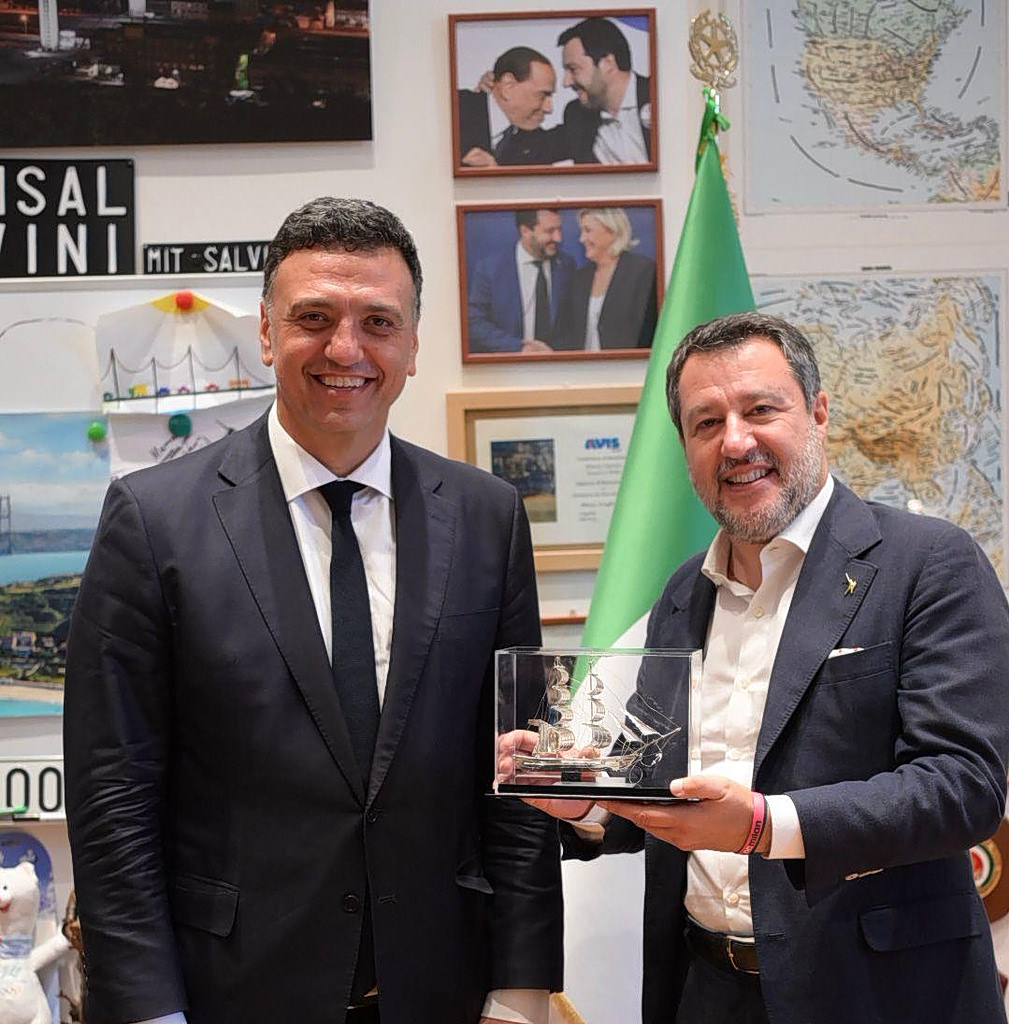
On the sidelines of the conference, Kikilias met with Italian Deputy Prime Minister and Minister of Transport and Infrastructure Matteo Salvini.
The two sides discussed common challenges facing Greek and Italian shipping, which together represent a significant part of European maritime activity. They agreed to continue coordinating efforts to protect European ports and support a balanced energy transition for the industry.
The discussions also focused on strengthening cooperation between the two countries, maintaining supply chain resilience and promoting common positions on the future of European shipping and Mediterranean ports.
Mediterranean countries discuss future of shipping
Kikilias also held meetings with representatives from Cyprus, Italy and Malta, highlighting the shared role of Mediterranean countries in European shipping.
Focus on the next generation
The meetings also highlighted the importance of free navigation and protecting seafarers amid growing geopolitical challenges.