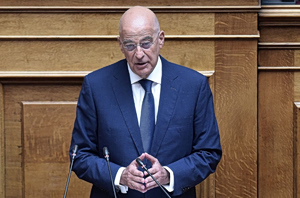
According to Greek Prime Minister Kyriakos Mitsotakis, conditions are ripe for holding the 6th High-Level Cooperation Council (HLCC) between Greece and Turkey in Ankara. Speaking at the major conference on the eastern Mediterranean hosted by TO VIMA, he suggested the summit could take place in the first quarter of 2026, even though expectations for a packed agenda remain modest. Mitsotakis emphasized that a dramatic announcement isn’t a prerequisite for the leaders’ meeting; the focus is on maintaining functional ties and open channels of communication.
Under this practical approach, the two delegations could structure the Ankara meeting around reviewing progress in ongoing areas of cooperation and addressing lower-profile issues that naturally bring the sides together by tackling shared challenges. For Greece, sustaining a structured dialogue with Turkey is particularly valuable, especially while Athens asserts its policies where necessary—such as its objection to Turkey’s participation in the SAFE initiative. Mitsotakis also highlighted Greece’s “5×5” initiative in the Eastern Mediterranean, which could start with non-contentious topics, like Civil Protection and migration, and later, once trust is solidified, move to more sensitive matters such as connectivity and maritime boundary demarcation.
Behind-the-Scenes Preparations
Mitsotakis’ announcement regarding the potential timing of the HLCC did not emerge out of the blue. He had previously stated that a meeting with Turkish President Recep Tayyip Erdoğan would “certainly” take place, signaling ongoing diplomatic coordination between Athens and Ankara. Both countries’ diplomatic teams are actively preparing for the next stages of bilateral talks, including the Political Dialogue and the Positive Agenda, which will produce key deliverables for the summit.
The schedule was further influenced by a brief meeting in Vienna between Greek Foreign Minister Giorgos Gerapetritis and Turkish counterpart Hakan Fidan on the sidelines of the OSCE ministerial summit, which concluded Friday morning. Both ministers also appeared together at the Doha Forum 2025, giving interviews that generated new insights into the summit’s framework.
Fidan, speaking to Reuters, indicated that Turkey and the U.S. should find a way to lift CAATSA sanctions to enable Ankara’s reintegration into the F-35 program.
Energy Projects and the “Indian Corridor”
In Doha, Gerapetritis discussed regional energy initiatives, highlighting the upcoming Greece-Cyprus-Israel interconnection and defending the so-called “Indian corridor” as a competitive route to Europe, countering China’s influence and mitigating over-dependence risks. Against the backdrop of Turkey’s ambitions in Syria and Gaza, he stressed that Greece would remain involved in humanitarian efforts, reconstruction, and potentially stability operations in Gaza. Regarding Syria, he affirmed Greece’s commitment to initiatives protecting religious communities, particularly Christians, in collaboration with the U.S. and the Patriarchate.