
 Μake us preferred on Google
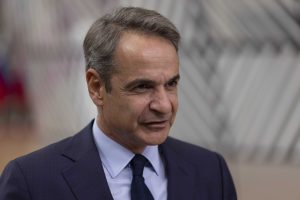
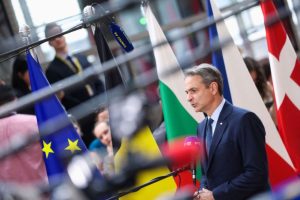
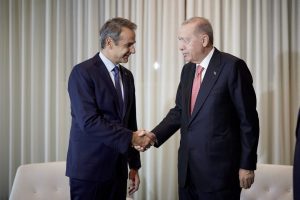
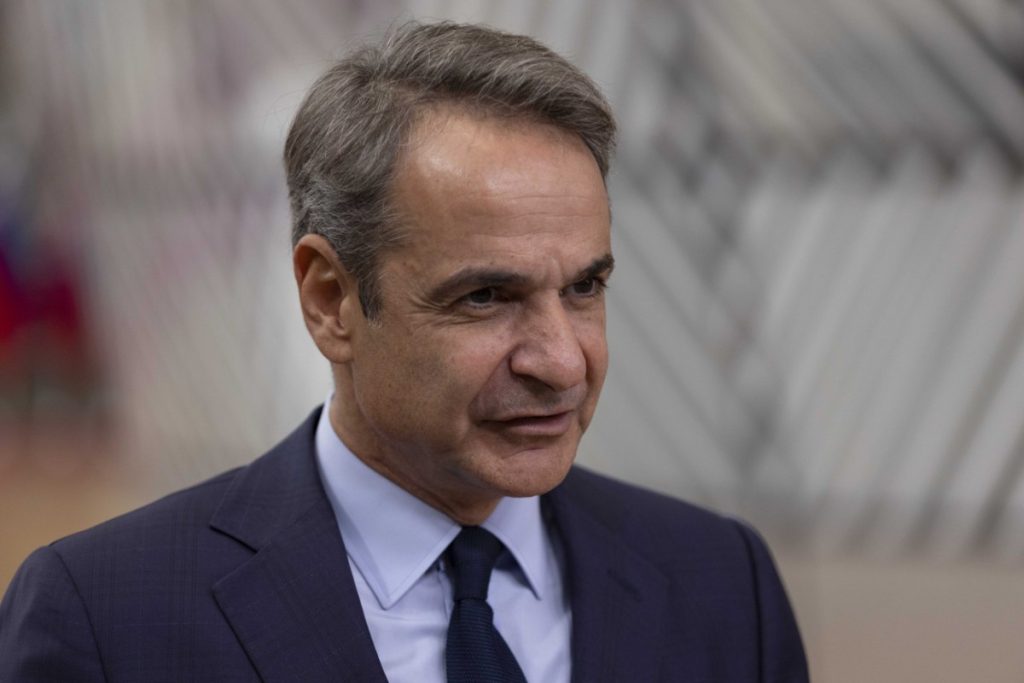
 From the European Council summit in Brussels, Greek Prime Minister Kyriakos Mitsotakis delivered a clear message to Ankara, stressing that Turkey “does not meet the criteria for inclusion in the SAFE program” and urging it to reconsider its stance on the casus belli issue.
“There’s no need to repeat that as long as Turkey maintains a standing casus belli against Greece, and as long as it continues to challenge the sovereignty of Greek islands in the Aegean, it’s obviously impossible for us to agree to such participation,” Mitsotakis said pointedly.
He added, “I wish Turkey would change its view on these matters so we could engage in a meaningful discussion. But I don’t foresee that happening in the near future.”
Turning to European defense policy, the Greek leader stressed the significant progress made toward a common European defense framework, highlighting the inclusion of the national escape clause and the advancement of the SAFE program, which promotes joint defense projects and procurements.
He welcomed the growing recognition of previously national initiatives as EU priorities and recalled Greece’s and Poland’s earlier proposal for a European missile defense shield aimed at strengthening protection across the Union’s borders.
“It’s crucial that Europe now recognizes that any major defense plan must cover all its borders, not just the eastern front,” he emphasized.
On the question of financing, Mitsotakis acknowledged that “the idea of a common European defense fund for projects of shared benefit has not yet matured,” but reaffirmed his determination “to keep pushing this proposal forward.”
Housing and European Cooperation
The prime minister also turned his attention to housing policy, noting that it is a key government priority, outlining a comprehensive plan to address the country’s housing crisis. He announced that a new rent rebate scheme will launch in late November as part of broader income support efforts.
Mitsotakis said he has urged the European Commission to establish a shared database for member states to exchange best practices on housing policy and called for greater flexibility in using EU funds for purposes such as home repairs.
He added that new national housing measures will be announced soon and that Greece aims to play a leading role in shaping European funding priorities for housing in the next EU budget cycle.
Energy Transition: Balancing Ambition and Realism
On energy policy, Mitsotakis emphasized the need for balance: “We want to be ambitious about the energy transition, but we must remain realistic.”
He warned that Europe must balance climate goals with economic and social stability, avoiding measures that could harm industrial competitiveness or burden households. He emphasized the need for pragmatic policies that advance climate neutrality while preserving growth and cohesion.
Although renewable energy is helping lower costs in Greece, he noted that sectors like shipping and aviation still face major challenges in decarbonization. He cautioned against imposing heavy costs on these industries prematurely and expressed satisfaction with the summit’s overall results.