 Μake us preferred on Google
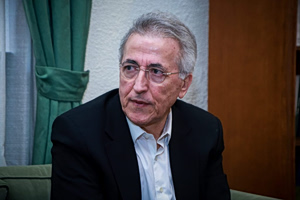
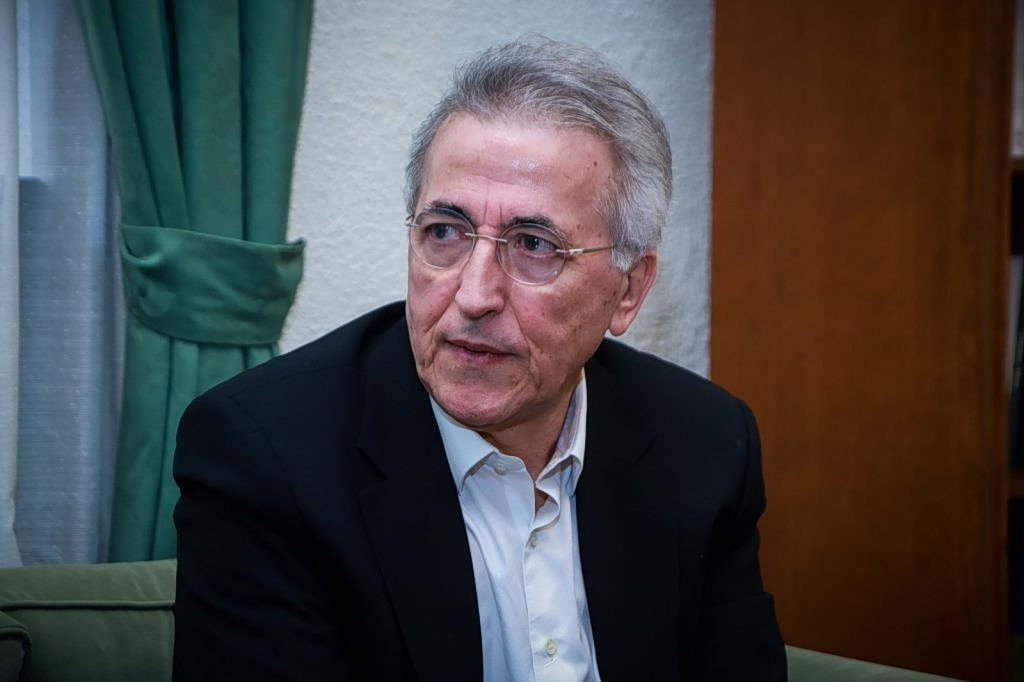
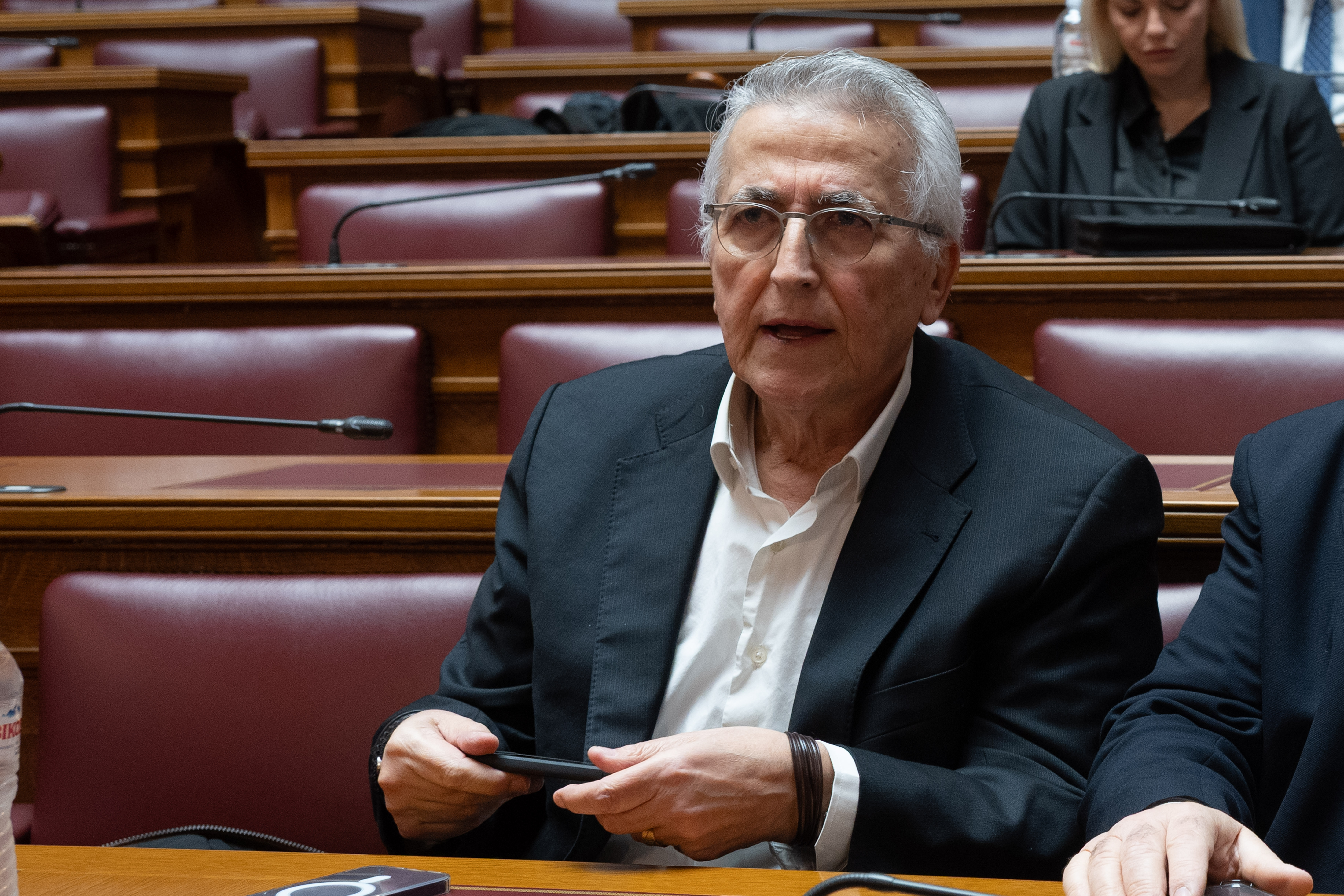
 For years, Yiannis Panagopoulos has been one of the most recognizable faces of Greece’s labor movement, leading the country’s largest private-sector union, through economic crisis, austerity and political upheaval.
Now, he is at the center of a sweeping investigation into allegations that more than €73 million in public and European Union funds earmarked for worker training programs may have been misappropriated.
An urgent preliminary investigation was ordered by Greece’s financial prosecutor, Panagiotis Kapsimalis, after Greece’s Anti-Money Laundering Authority delivered a 65-page report outlining suspected felony offenses, including embezzlement and money laundering. The investigation concerns funding distributed between 2020 and 2025 to vocational training institutes affiliated with the General Confederation of Greek Workers (GSEE).
Prosecutors have frozen bank accounts and certain assets belonging to Mr. Panagopoulos, five other individuals and six companies cited in the report. According to the findings, the freeze also applies to two properties linked to those under investigation.
The case has been assigned to a financial prosecutor, who is expected to formally notify the individuals involved, setting in motion deadlines for appeals against the asset freezes. Investigators will examine bank records, property transactions and the movement of funds, working with banks, land registry offices and audit authorities to trace how the money was spent.
At issue is whether funds intended to support training and reskilling programs for workers, which were financed through national and European resources, were diverted through a network of companies.
According to the authority’s findings, contracts were allegedly awarded either directly or through public tenders that favored specific firms. Some of the companies, investigators said, alternated as contractors on multiple projects. The report also noted that certain companies appeared to lack the infrastructure or staff required to carry out the work.
Authorities cited repeated cash withdrawals exceeding €1.5 million and what they described as extensive transfers to personal accounts without clear legal justification. In some cases, they said, required disclosures on the government’s public transparency platform were not made.
The inquiry remains in its preliminary phase. Prosecutors must now determine whether the suspicions detailed in the anti-money laundering report can be substantiated with evidence sufficient to bring criminal charges. Those implicated will be called to provide explanations before any decision is made on prosecution.
In a written statement, Mr. Panagopoulos said he had not yet been formally notified of the freezing order or the contents of the report. He accused media outlets of effectively convicting him through anonymous briefings and said his personal and professional reputation had been unfairly attacked.
He emphasized his right to defend himself and called on authorities to uphold the presumption of innocence. He said he would address the matter publicly in the coming days.
The political repercussions were swift. PASOK, the main opposition party with longstanding ties to parts of the labor movement, announced that it was suspending Mr. Panagopoulos’ party membership pending clarification of the case. In a statement, the party’s trade union network called for a “radical re-foundation” of the labor movement, arguing that alleged misconduct by individuals should not discredit unions more broadly.