 Μake us preferred on Google
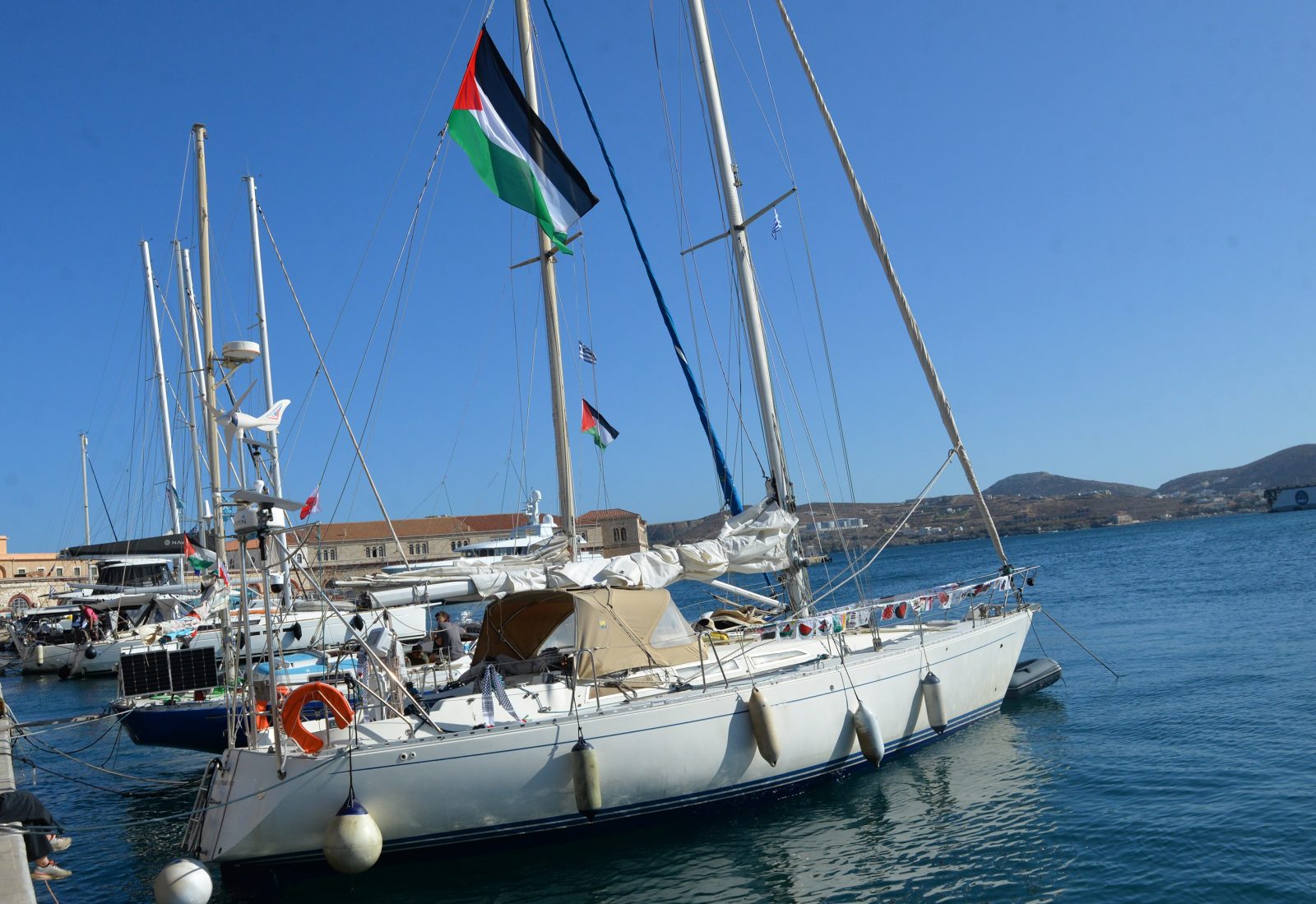
 The mission of the international flotilla seeking to break Israel’s blockade of Gaza risks escalating into a high-stakes naval standoff in the eastern Mediterranean, as EU and NATO member states move forces into the area.
Activists reported that Israeli drones struck the Global Sumud Flotilla south of Crete earlier this week, damaging several boats but causing no casualties. In response, Italy and Spain have each dispatched warships to safeguard their citizens on board, while Greece is closely monitoring events but keeping a low profile.
Turkish Calls for Intervention
Former Turkish Prime Minister Ahmet Davutoğlu urged President Recep Tayyip Erdoğan to send the Turkish navy to “protect” the flotilla once it enters waters covered by the Turkey–Libya maritime accord. He cited constitutional grounds for such an intervention. Opposition leader Özgür Özel echoed the demand, insisting Erdoğan “must protect the Sumud flotilla at all costs” and accusing him of political theatrics.
The rhetoric has revived memories in Turkey of the 2010 Mavi Marmara incident, when Israeli commandos stormed a Gaza-bound ship, killing 10 activists, nine of them Turkish. The fallout strained Turkish-Israeli relations for years, with Israel issuing an apology and compensation in 2013.
The Flotilla’s Course
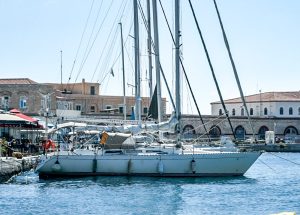
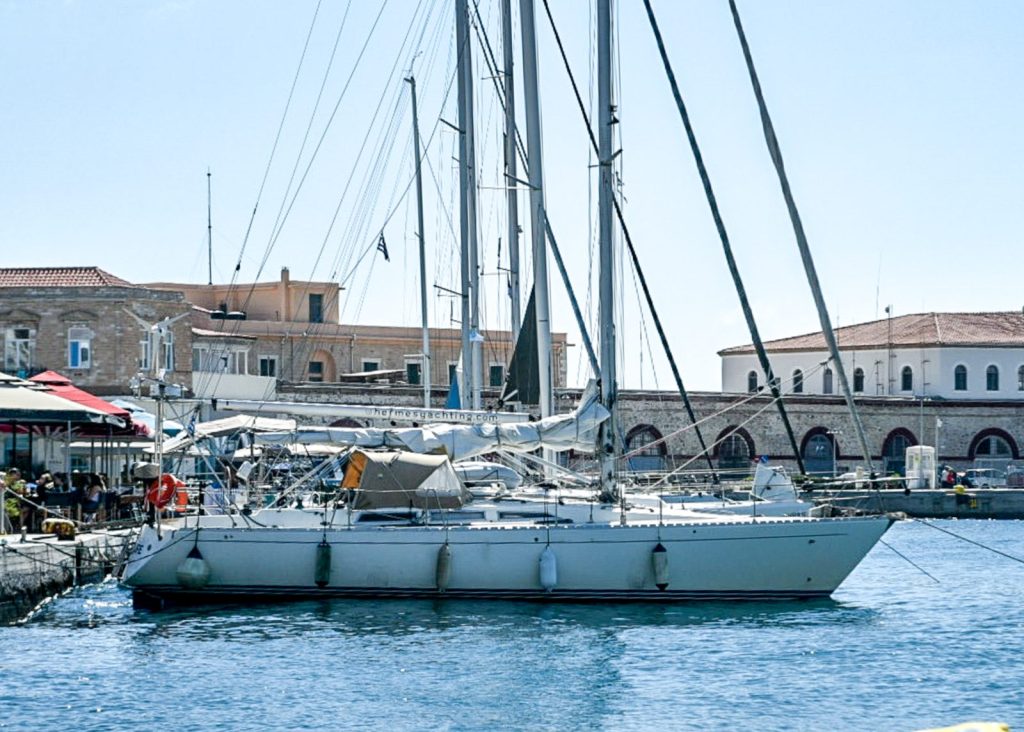
After Tuesday night’s incident, in which flotilla organisers said eight boats were targeted 32 nautical miles southwest of Gavdos island, 38 vessels with over 400 activists—including European parliamentarians and journalists—moved closer to Crete’s coastline, likely to avoid further strikes.
The ships are now heading east to join six Greek-flagged boats anchored off southeastern Crete, before continuing toward Gaza with a possible stop in Cyprus, according to initial plans.
Israel’s Position
Israel has neither confirmed nor denied involvement in the drone strikes but dismissed the mission as the “Hamas flotilla.” Officials reiterated warnings that they would “take the necessary measures to prevent entry into the combat zone and stop any violation of a lawful naval blockade.” Israel has urged organisers to offload aid at the southern port of Ashkelon, from where it says supplies could be transferred into Gaza.
Activists, however, denounced the attacks as “piracy” and “terrorist actions,” insisting the flotilla will press ahead. They also claimed the strikes took place within Greece’s designated search and rescue zone.
Diverging European Responses
The Italian and Spanish governments have both moved naval assets into the area but with different tones. Spanish Prime Minister Pedro Sánchez, who recently recognised Palestine, stressed respect for international law and the right of Spanish citizens to travel safely in the Mediterranean.
Italian Prime Minister Giorgia Meloni condemned the attack but called the mission “dangerous and irresponsible.” While Rome is investigating the incident, she advised flotilla organisers to deliver aid instead to a Catholic Church representative in Cyprus, who could ensure its transfer to Gaza under the care of the Latin Patriarch of Jerusalem.
Watching Closely
Greece has refrained from direct comment, referring inquiries to its coast guard. Athens has been keeping a close watch on the area, especially given migration pressures and the strategic interest of U.S. forces stationed at Souda Bay in Crete.
In the coming days, much will depend on how far President Erdoğan chooses to leverage the Palestinian issue both for domestic politics and to assert Turkish claims in the eastern Mediterranean.