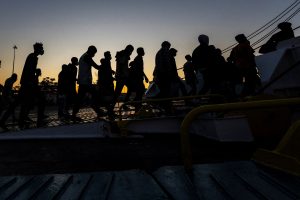
In her State of the European Union address to the European Parliament in Strasbourg on Wednesday, European Commission President Ursula von der Leyen announced plans for a new emergency response framework to address sudden mass movements toward the European Union’s external borders.
Von der Leyen said that “all of our external borders are European borders” and called for a common approach to migration and border management. The point of the framework would be to address mass movements toward EU borders which are “engineered and weaponized.”
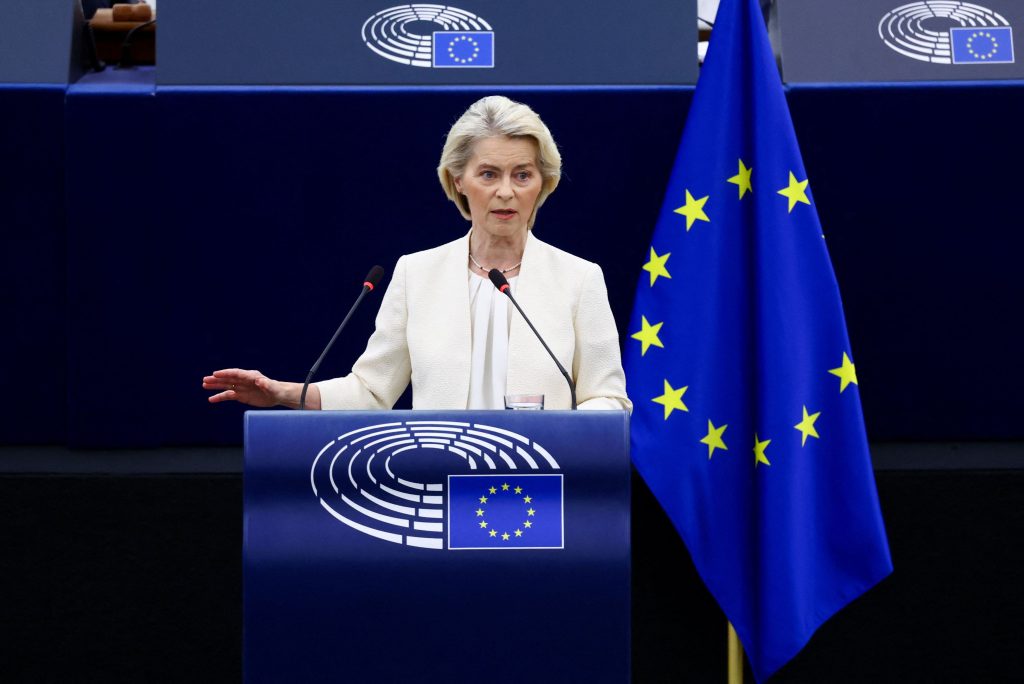
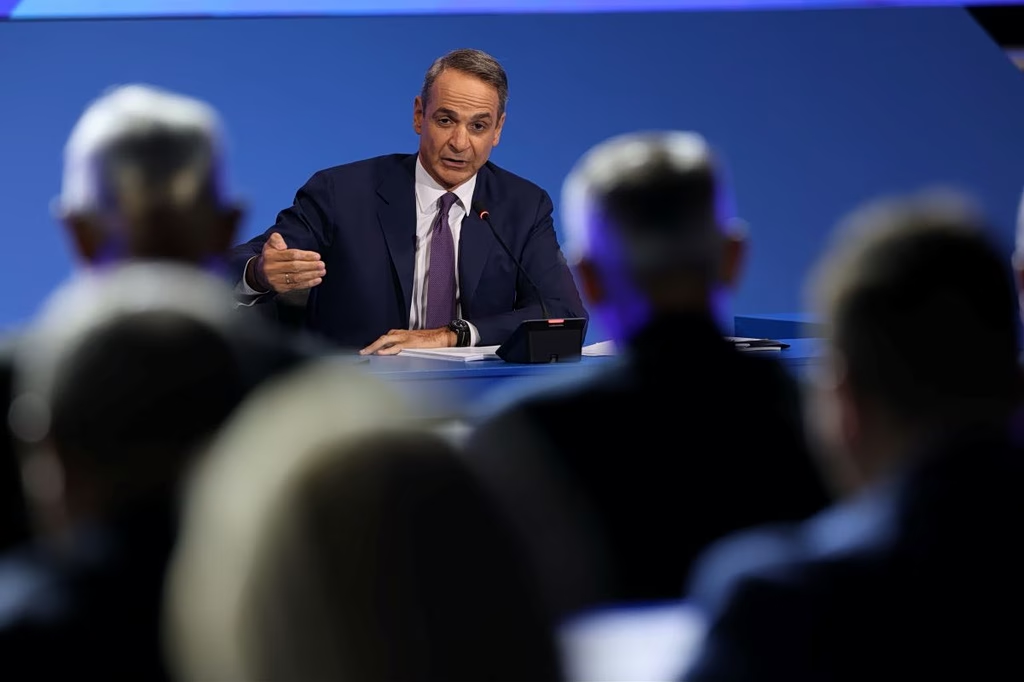
European Commission President Ursula von der Leyen delivers the State of the European Union address (SOTEU) to the European Parliament, in Strasbourg, France, September 16, 2026. REUTERS/Yves Herman
Ceuta and the Case for Emergency Preparedness
Von der Leyen referred to pressure at the EU’s eastern borders, in the Mediterranean and particularly in Ceuta as she argued that Europe’s migration tools must be capable of responding to sudden disruption.
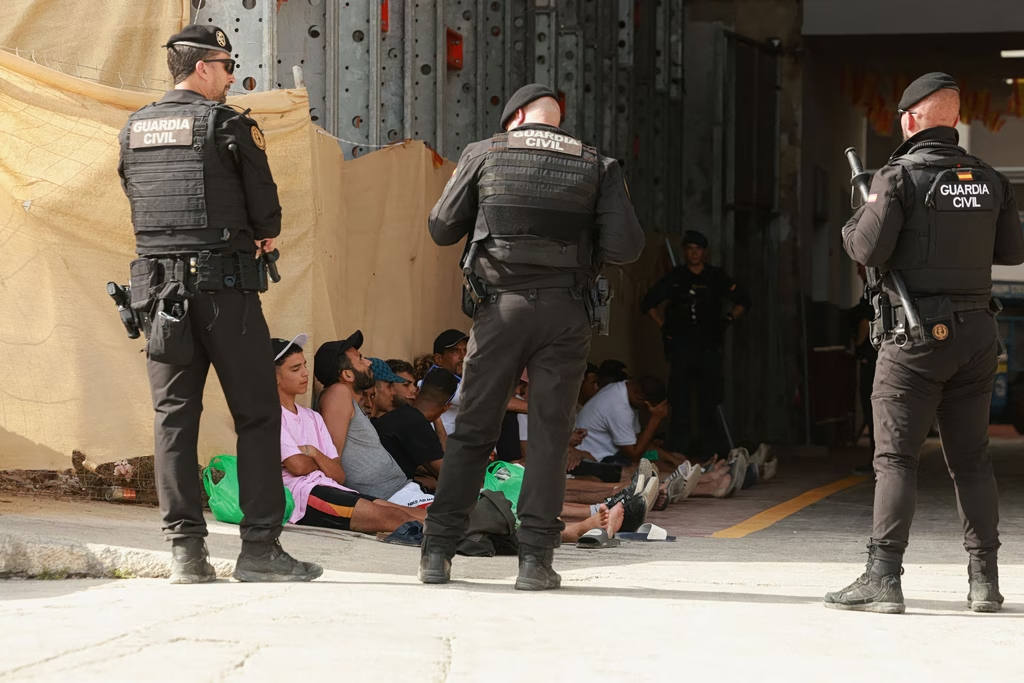
The Ceuta crisis, which erupted in late July, saw tens of thousands of people cross from Morocco into the Spanish enclave of Ceuta over a short period, overwhelming local authorities. The precise number remains unclear but some estimates put it at as high as 70,000.
Spain’s opposition accused Moroccan authorities of deliberately allowing the movement, but Prime Minister Pedro Sanchez said that there was no concrete evidence to support this. Morocco has denied involvement but admits that at some point the police did allow the migrants to pass through. Afterwards, most migrants returned back into Morocco.
The situation alarmed EU countries, particularly Greece, which highlighted simularities to its own migration crisis in the past, where it accused Türkiye of instrumentalizing migration.
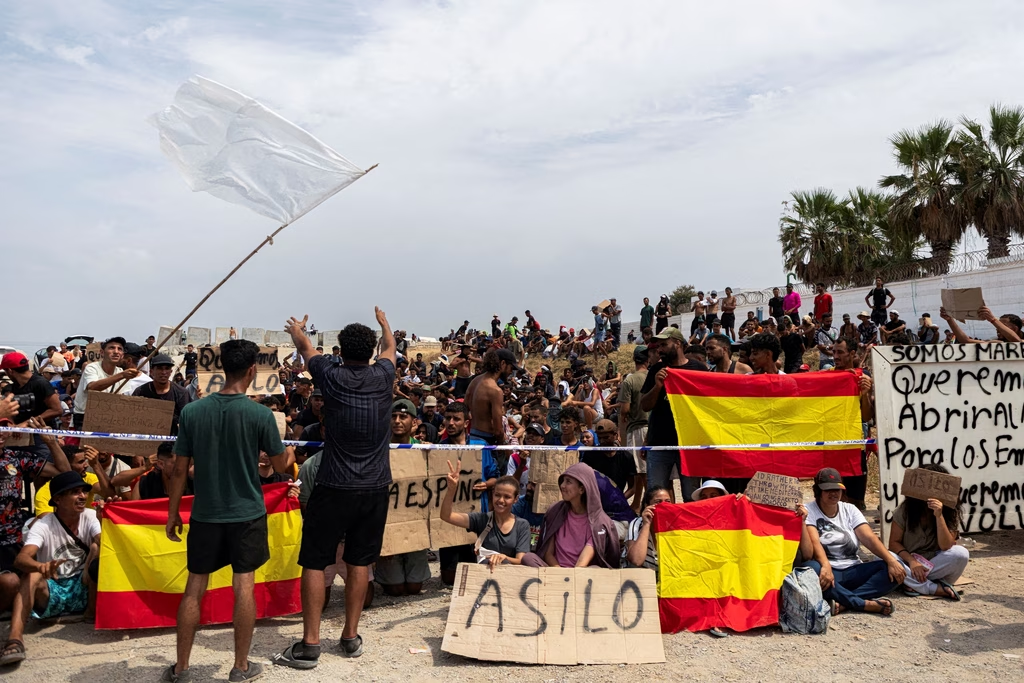
Migrants hold Spanish flags and signs calling for asylum as they gather in Ceuta, Spain, August 16, 2026. REUTERS/Maria Alejandra Cardona TPX IMAGES OF THE DAY
Overall Trends vs. Exceptional Circumstances
Ceuta aside, the EU agency responsible for coordinating and supporting border control across EU member states and Schengen-associated countries called Frontex reveals that irregular border crossings in the first 8 months of 2026 are actually down 35% year on year. Von der Leyen also cited the general downward trend of arrivals the past few years, as evidence that the EU’s approach to controlling migration flows is working.
Frontex explicitly excludes the Ceuta incident from the total in its recent report, and adds that no definitive Ceuta figure is likely to be established, as many of the migrants who made the crossing returned to Morocco without being registered.
Both von der Leyen and Frontex highlight that Europe is moving in the right direction regarding management migration trends, but that it is still exposed to sudden, large-scale arrivals.
“On most routes into Europe, fewer people are attempting the journey, and that has held right through the summer,” Frontex Executive Director Hans Leijtens said. “But Ceuta was a reminder that a quiet border can change in a matter of hours. Smuggling networks do not disappear when the numbers fall. They move, and they wait for an opening to fully exploit it. Our job is to be ready when they find one.”
Frontex attributes the reduction in number of boats setting out toward Europe to its cooperation with partner countries and preventive measures in key departure states.
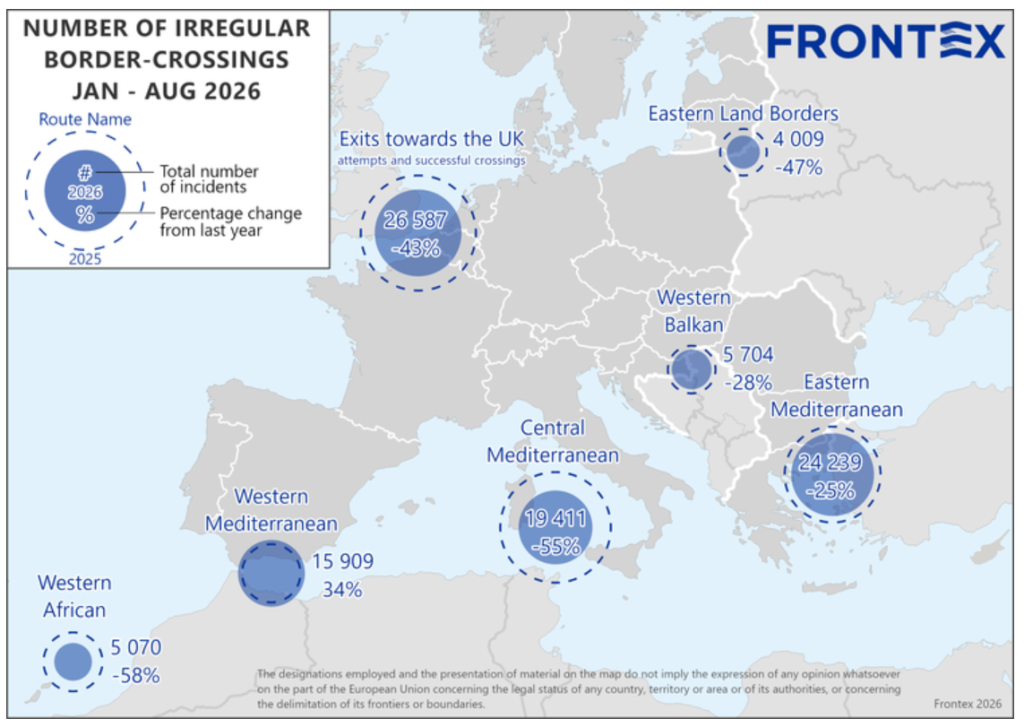
Frontex report on irregular migration in the EU January-August 2026.
Uneven Pressure
The decline in irregular migrant arrivals was recorded on nearly every major route, but the distribution of crossings remains uneven. The Eastern Mediterranean was the busiest route during the first eight months of 2026, with more than 24,200 detections. That was 25% below the same period last year but still represented almost one-third of the EU total.
The Central Mediterranean recorded approximately 19,400 arrivals, down 55%. Together, the Eastern and Central Mediterranean accounted for almost 60% of all irregular entries detected at the EU’s external borders.
The Western Mediterranean was the only major route to increase, with about 15,900 detections, up 34%. Frontex links the rise to a shift in smuggling routes as tighter controls in Morocco and along the Western African and Central Mediterranean routes pushed more departures toward Algeria.
The Western African route fell 58% to approximately 5,100 detections and attempts to cross the Channel toward the United Kingdom also fell 43% to about 26,600.
The human cost remains high, despite the decline in crossings. More than 1,800 people have died in the Mediterranean this year, according to International Organization for Migration figures cited by Frontex.
Greece in Focus
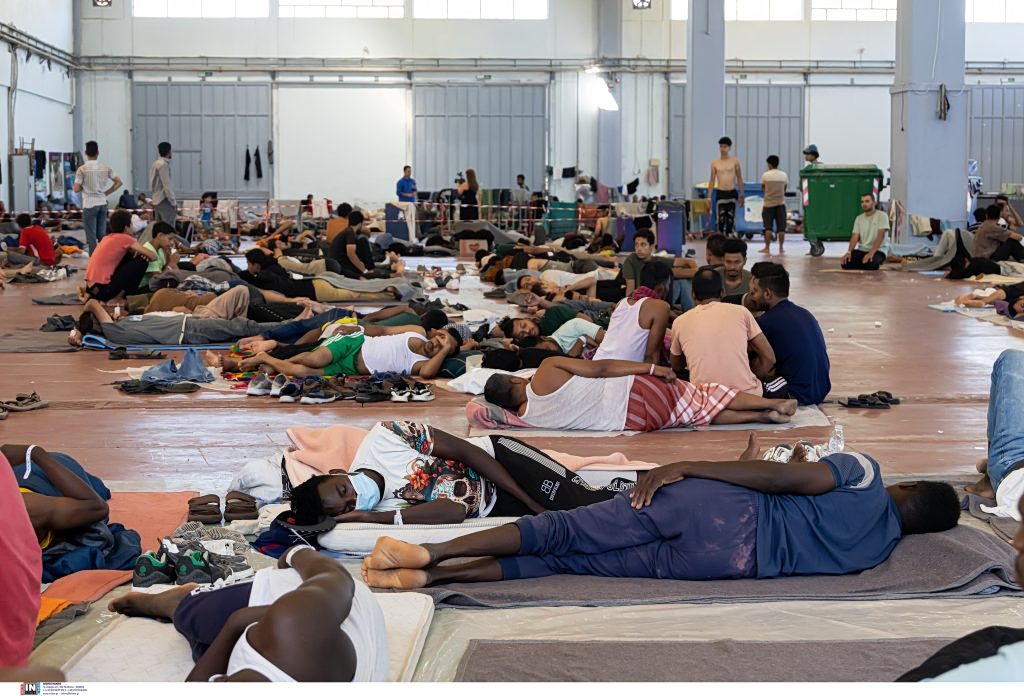
Greece remains particularly exposed to irregular crossings. The Libya-Crete corridor was the most active section of the Eastern Mediterranean route over the first eight months of the year, Frontex said. By July, the land border with Türkiye had become the route’s busiest section, ahead of Crete and the Aegean islands.
The continuing pressure was highlighted in Greek news this past week when authorities rescued or found over 230 migrants in four incidents stretching from Gavdos to Crete.
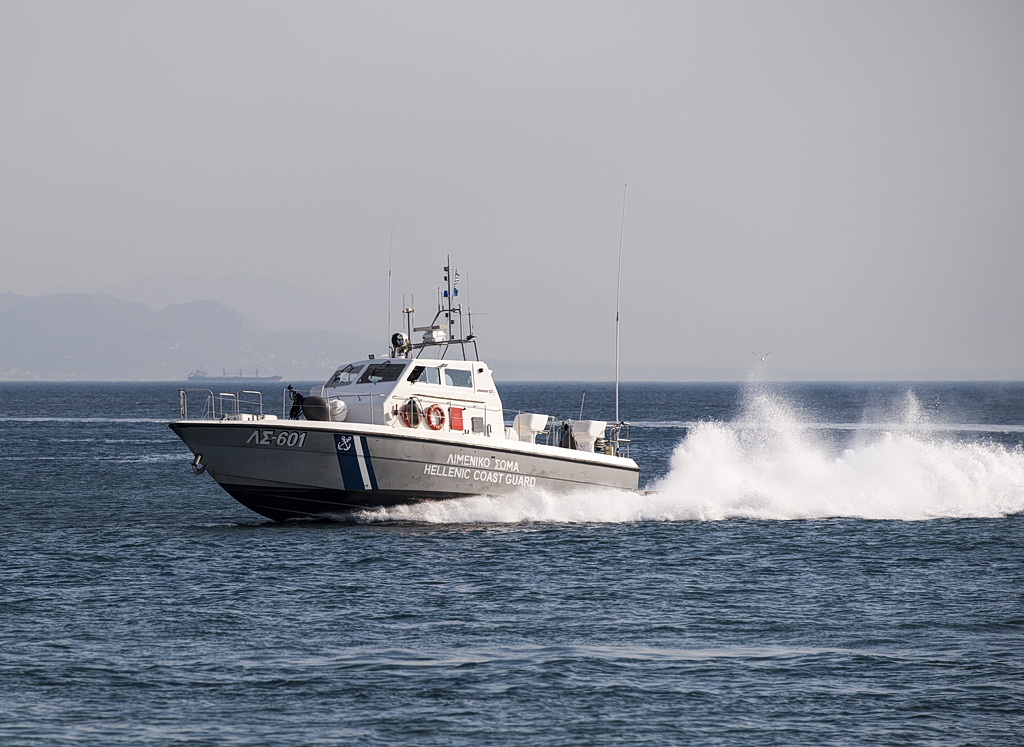
Acccording to reports, a Frontex vessel rescued 67 people from a boat south of Gavdos. In a separate operation, the Hellenic Coast Guard rescued more migrants from a vessel in distress about 44 nautical miles southeast of Kaloi Limenes.
Authorities found 51 people on a beach near Kaloi Limenes and another 50 after they disembarked from an inflatable boat near Ierapetra. All groups were transferred to ports, shelters or temporary accommodation facilities, according to the Hellenic Coast Guard.
The Security Agenda
In a State of the Union address that placed migration within a wider security agenda, von der Leyen presented the emergency framework as one part of Europe’s response to pressure at its external borders.
She also called for full implementation of the EU Pact on Migration and Asylum and announced plans for a stronger Frontex, faster returns, improved early-warning systems and closer cooperation with partner countries.
The existing Pact already includes a provision known as its Crisis and Force Majeure Regulation, which establishes procedures for exceptional crisis involving mass arrivals, force majeure and the instrumentalization of migrants.
Critics note however, that the existing regulation is not an operational protocol for coordinating the first hours of a mass migration event unfolding as quickly as the crisis in Ceuta.
As a result, it remains unclear how the European Emergency Response Framework will interact with the existing emergency provisions that took effect in June. Further details on this and many other elements of von der Leyen’s announcements are expected in the coming months.