
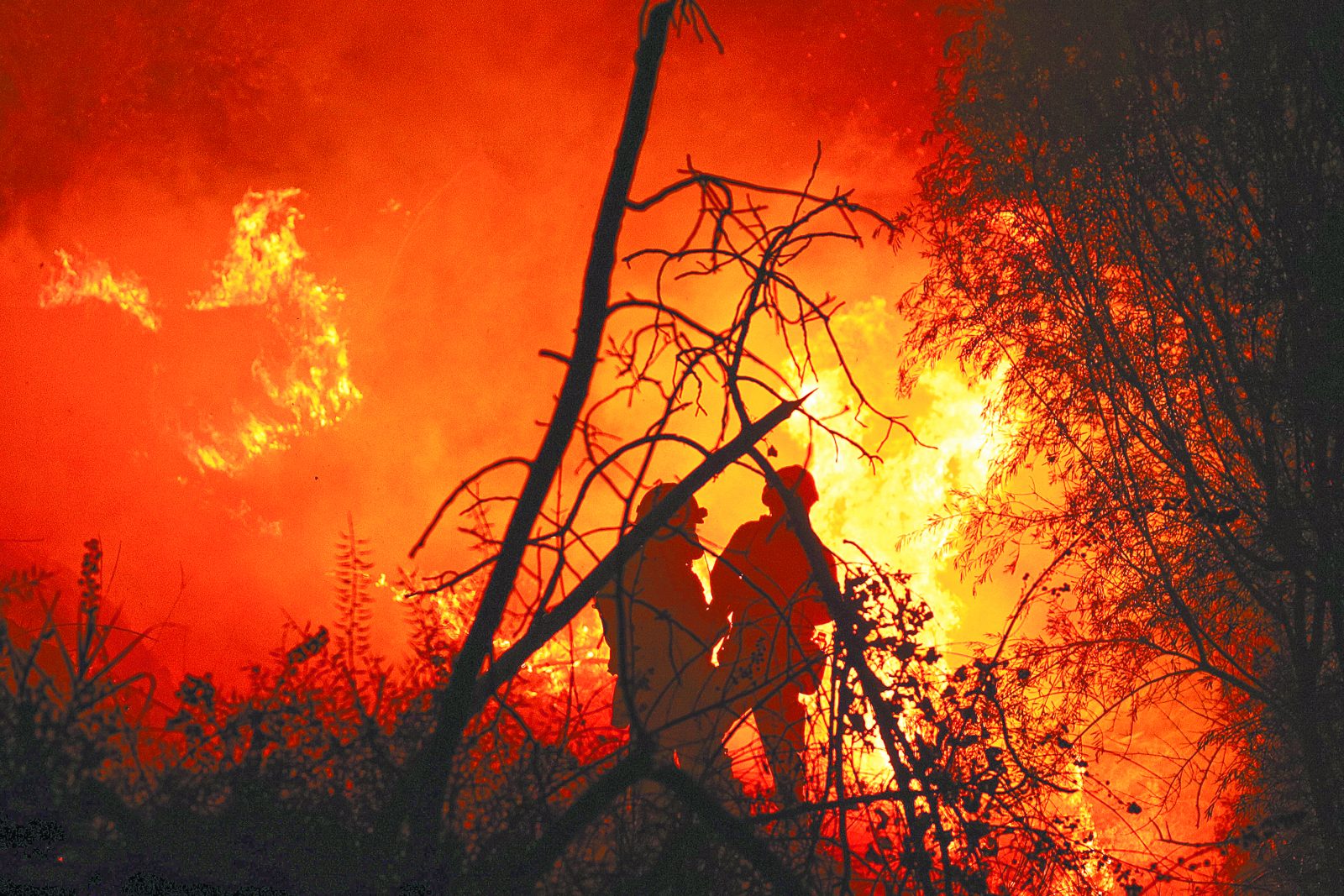
Recent studies have highlighted the serious health risks faced by firefighters, both professional and volunteer, during and after wildfire operations. Beyond the visible hazards of flames and smoke, the intense physical and mental demands of firefighting significantly strain the body and mind, leading to long-term health concerns.
Cardiovascular and respiratory dangers are particularly prominent. Data show increased rates of heart attacks and strokes among firefighters during deployment and even in the immediate aftermath of wildfire suppression. Stress, fatigue, dehydration, and the extreme conditions encountered in the field contribute to these risks.
Musculoskeletal injuries are another major concern. Studies indicate that nearly half of firefighters experience muscle strains or tears during transit and active firefighting, with injury rates rising to over 50% during urban emergency interventions and training exercises. The repetitive movements, awkward postures, heavy protective gear, and prolonged physical exertion exacerbate these injuries.
Poor protective practices can further endanger firefighters. For example, fabric masks often fail to filter smoke particles effectively, leaving responders exposed to harmful gases and fine particulate matter. Improper use of chainsaws and axes during firefighting or training also leads to a high incidence of serious injuries, particularly to the hands, shoulders, and back.
Training and preparation are key to minimizing these risks. Firefighters must learn proper tool handling, ergonomic techniques, and strategies to manage both physical and cognitive fatigue. Coordinated planning, clear communication, and adherence to safe operational procedures are critical for both effectiveness and safety in the field.
Experts stress the importance of preventive measures alongside technical training. Maintaining physical fitness, strengthening musculoskeletal health, and adopting psychological self-regulation techniques are essential to sustain long-term wellbeing and operational readiness.
Professor Panagiotis B. Tsaklis, who specializes in biomechanics and ergonomics at the University of Thessaly and the Karolinska Institute in Sweden, emphasizes that a combination of technical skills, environmental awareness, and preventive health strategies is crucial to protect firefighters from the cumulative toll of their demanding work.