 Μake us preferred on Google
 An archaeological study in Ethiopia sheds new light on the daily life of the earliest Homo sapiens during the Middle Stone Age. The Middle Awash region, in the northern part of the country, is one of the few locations with exceptionally well-preserved finds that reveal aspects of the life and death of early humans. The new research, published in the journal Proceedings of the National Academy of Sciences, presents discoveries that contribute to our understanding of how prehistoric populations in the region lived.
Archaeology in the Afar Rift
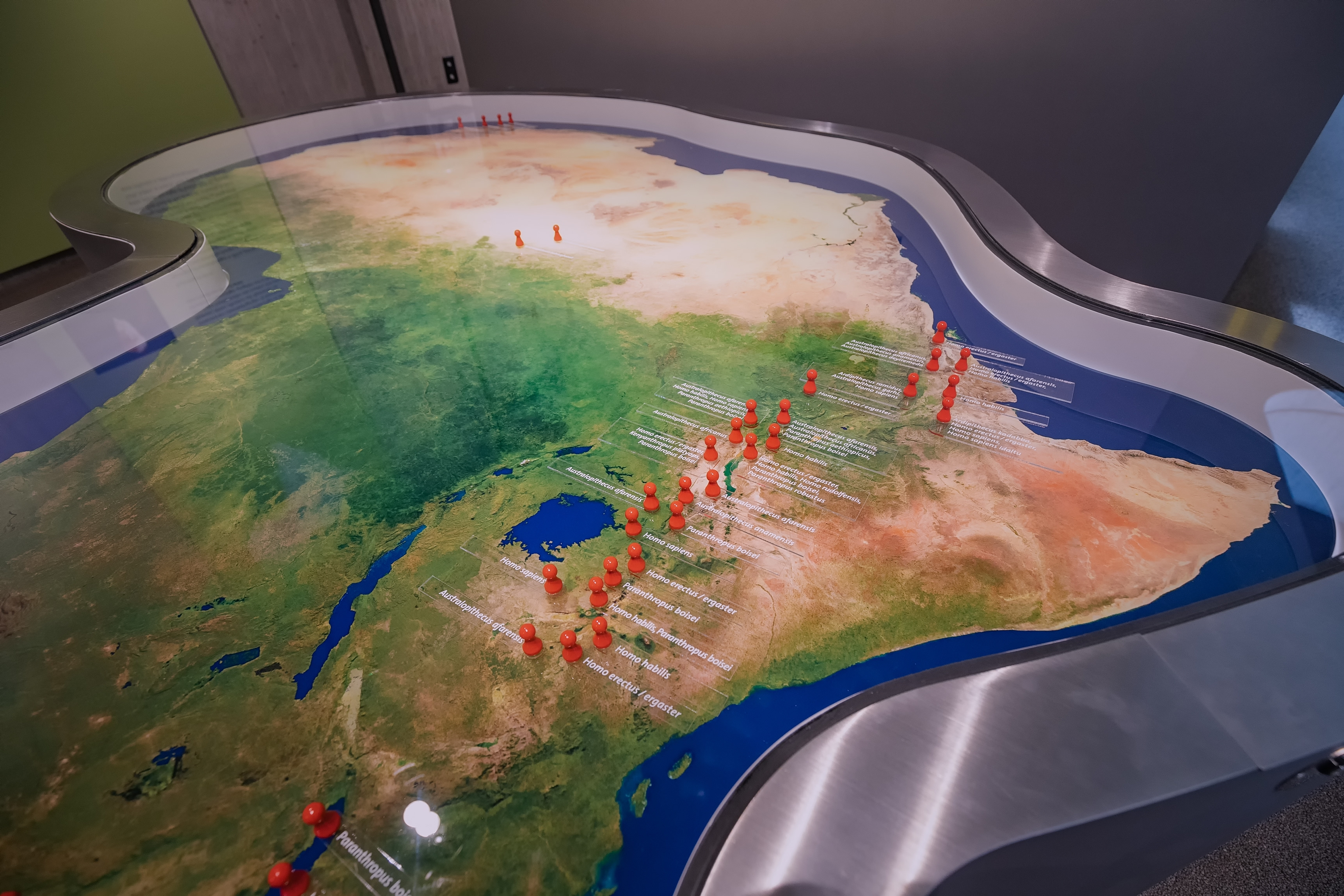
The Afar Rift in northeastern Ethiopia is a site of intense geological and archaeological interest, as three tectonic plates meet there and are gradually moving apart, forming a new ocean basin. The region is known for its well-preserved fossils and the sites where early Homo sapiens and other hominins once lived.
The Middle Awash zone contains sediment layers more than one kilometer thick, covering a time span from the Late Miocene to the Holocene. Since 1981, the area has been the subject of international and interdisciplinary research.
The recent study focuses on the Faro Daba layers of the Dawaitoli formation, where a rich collection of Late Stone Age tools, approximately 100,000 years old, was discovered. Earlier excavations had uncovered important fossils but lacked an extensive archaeological context.
Life in the Afar Rift
Researchers discovered approximately 1,800 stone artifacts and 132 animal bones. Most of the tools (65%–82%) were made of basalt, a local material, suggesting that they were produced directly at the site. A small percentage, less than 2%, were made from obsidian, which may indicate trade contacts or sources that are no longer visible today.
The findings show that the region was once a wooded floodplain inhabited by rich wildlife. Bones of monkeys, rodents, and large herbivores were found, while remains of giraffes, reptiles, birds, and large carnivores were also identified in smaller numbers. None of the bones showed signs of cutting or human processing.
According to the authors of the study, the frequent flooding of the region suggests that the area was inhabited in short and repeated intervals. Nevertheless, the landscape provided shade, food, and raw materials, which humans shared with the wild animals of the time.
Three Different Death Findings
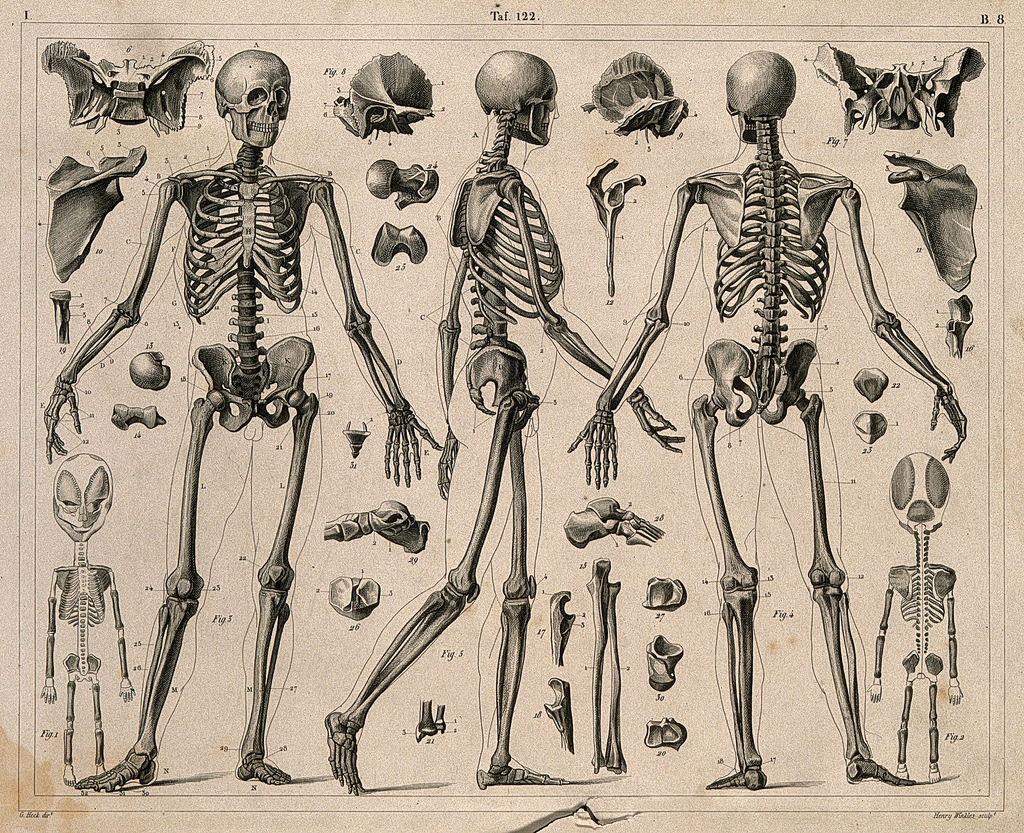
Three partial human skeletons were discovered, each with a different post-mortem history.
The first appears to have been buried quickly after death, with no evidence of trauma or human intervention. The researchers note that although the burial was rapid, there is no evidence confirming intentional burial or ritual.
The second skeleton, from which only a tooth and small fragments of bone survived, showed signs of burning at high temperatures. Scientists cannot determine whether the burning resulted from a natural fire or deliberate cremation—a practice that, if confirmed, would represent the oldest known ritual cremation in the world.
The third skeleton belonged to a small-bodied adult and showed signs of animal attack, with visible bite marks and fractures. Researchers believe the damage occurred at the moment of death or shortly afterward.
The research in the Middle Awash region continues, with the aim of uncovering further evidence about the lives of the earliest humans in eastern Africa.