
 Μake us preferred on Google
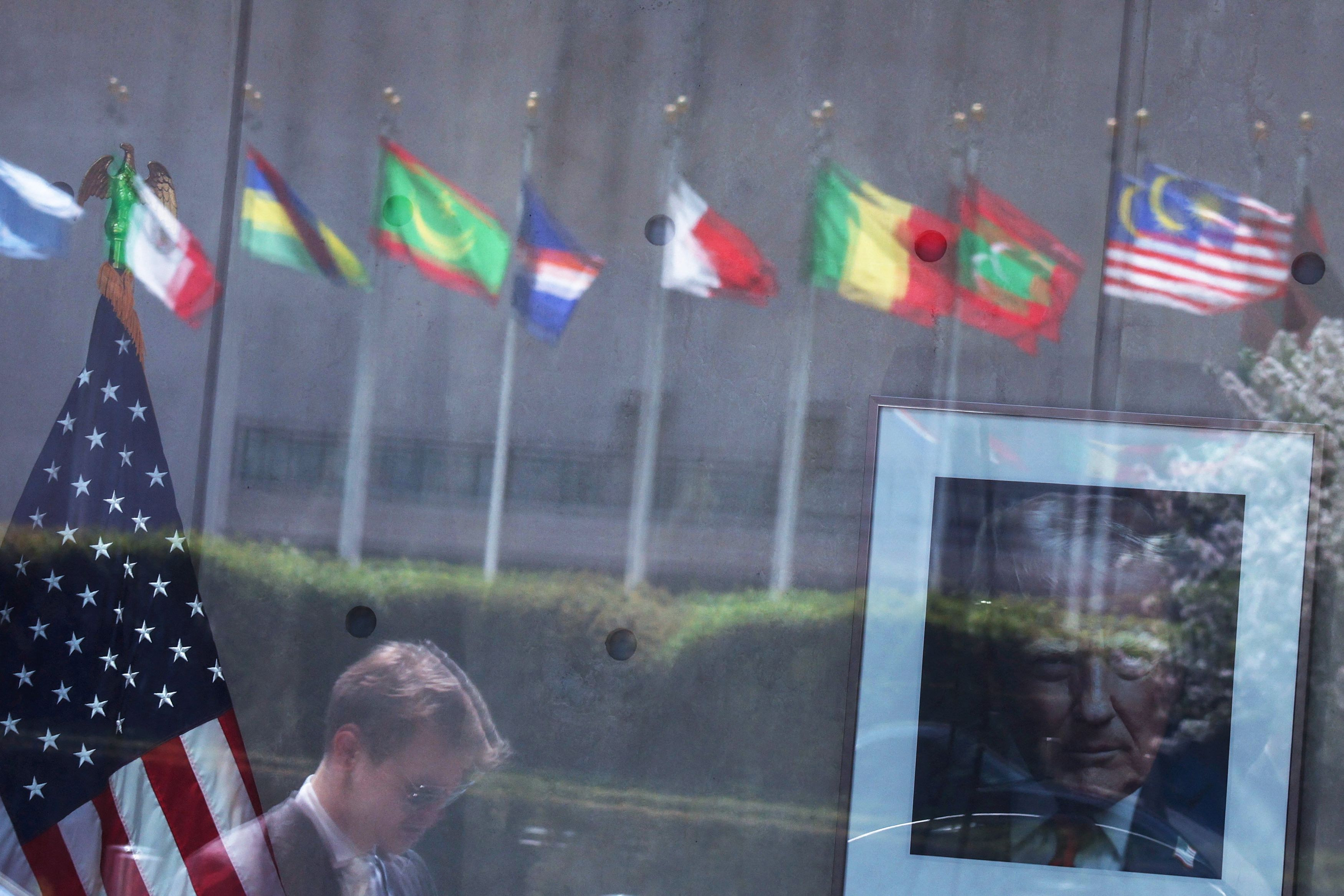
 Greece and the United States have underlined the critical importance of freedom of navigation for global peace and security during discussions at the United Nations General Assembly.
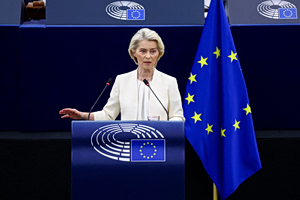
Speaking at the session, the Greek delegation reaffirmed its alignment with the European Union’s position, emphasizing that maritime freedom remains a cornerstone of international stability and economic prosperity.
A core principle of international law
Greek representatives described freedom of navigation as one of the oldest and most widely recognized principles of international law. It is enshrined in the United Nations Convention on the Law of the Sea, which provides the legal framework governing activities across the world’s oceans.
Greece, highlighting its role as a major maritime nation, reiterated its commitment to safeguarding safe and lawful sea transport in accordance with international rules.
As part of this stance, Athens supported a draft resolution introduced by several Gulf countries, aimed at ensuring the uninterrupted passage of commercial vessels through key maritime routes.
Focus on critical global shipping lanes
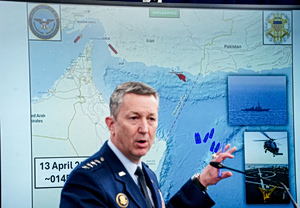
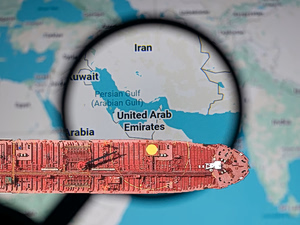
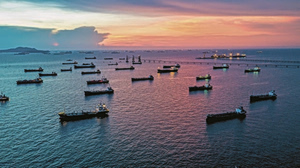
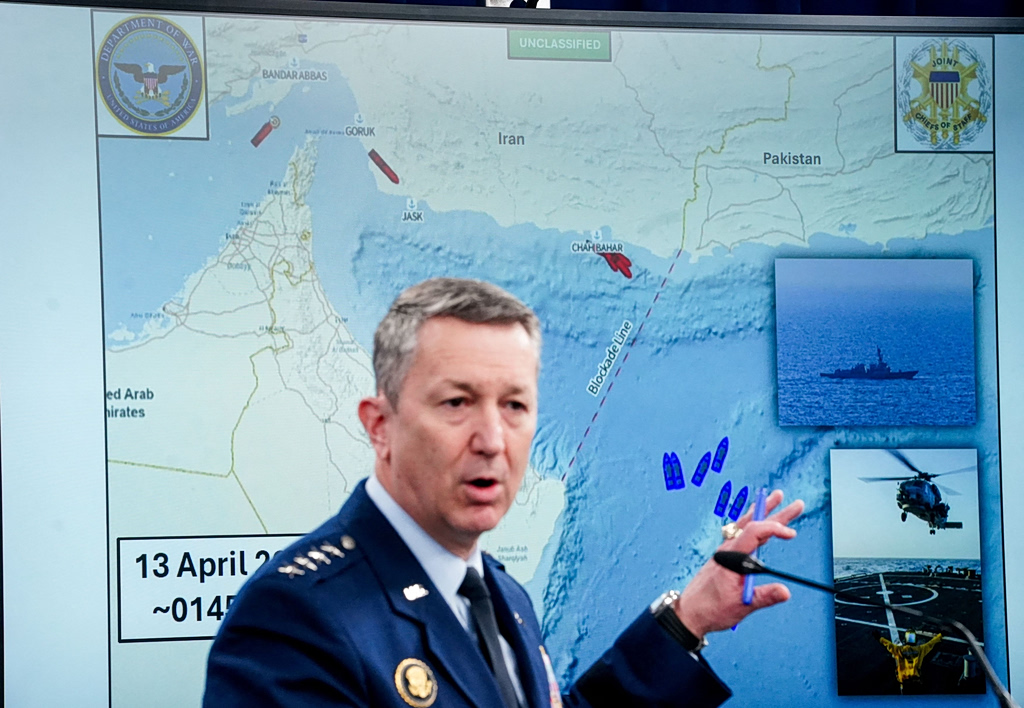
Particular emphasis was placed on the Strait of Hormuz, described as one of the world’s most vital shipping corridors and a crucial artery for international trade and the global economy.
The Greek delegation stressed that maintaining secure transit through such routes is essential, especially amid ongoing regional tensions.
Concerns over regional instability
Greece expressed concern that the current crisis in the Gulf region is having far-reaching consequences beyond the immediate area, affecting global energy and food supply chains.
Officials warned of potential shortages of essential goods, including food and medicine, particularly impacting vulnerable populations.
The delegation also condemned attacks targeting civilian infrastructure and energy facilities, as well as threats to commercial shipping, noting that such actions endanger seafarers and violate international law.
Call for de-escalation and diplomacy
Athens called for an immediate reduction in hostilities and a renewed commitment to diplomatic solutions. It welcomed recent ceasefire efforts and urged further steps toward stability, including an end to violence in other affected areas.
Despite broad recognition of the importance of maritime security, Greece noted that consensus was not reached at the UN Security Council on the issue.
Concluding its remarks, the Greek delegation stressed that protecting maritime routes and ensuring the safety of global shipping are essential prerequisites for peace, economic stability and long-term diplomatic progress.