

 Μake us preferred on Google
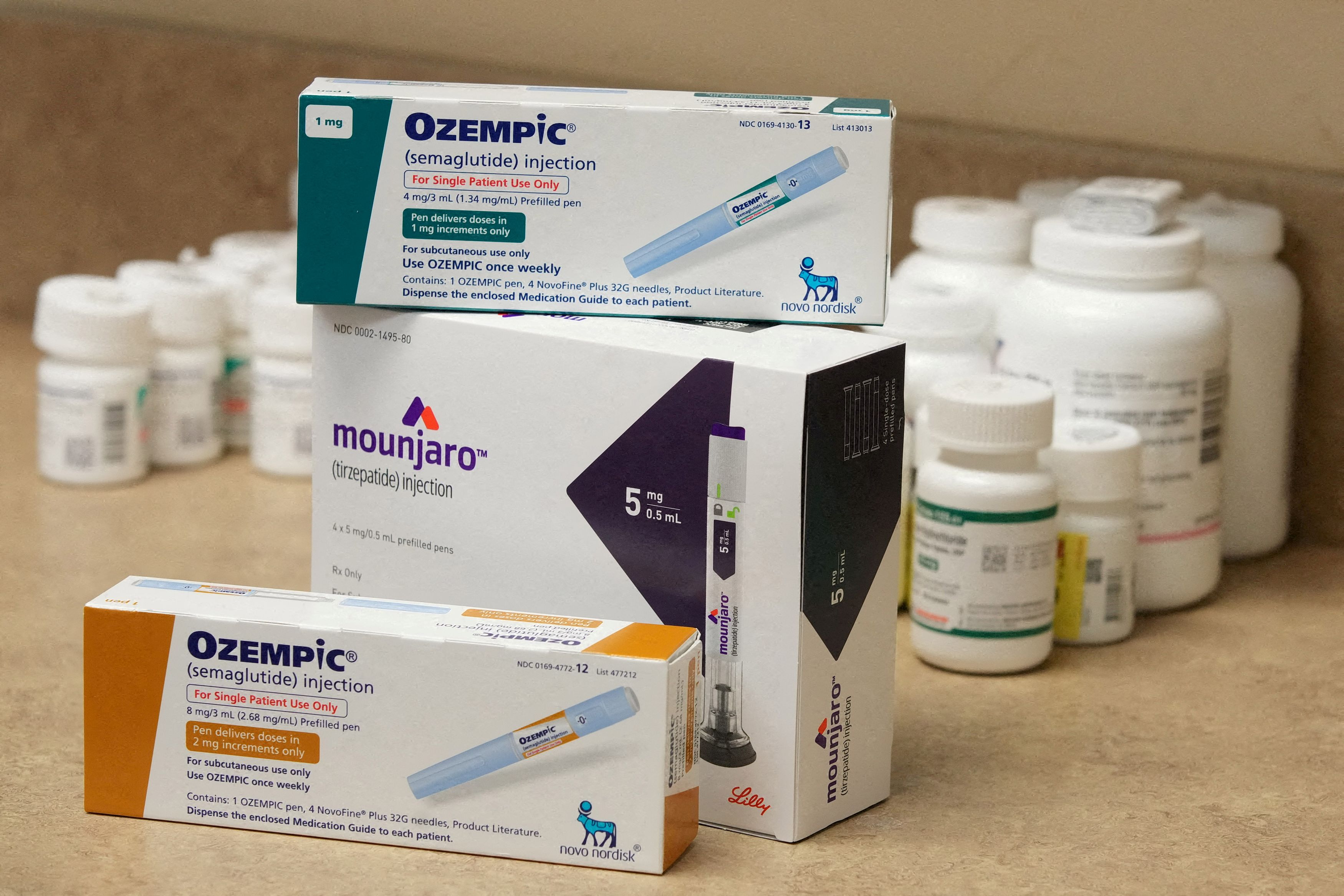
 Millions of people around the world are now taking medications such as Ozempic, creating what researchers describe as a “real-world experiment” that is providing valuable information about the effects and challenges of GLP-1 drugs beyond controlled clinical trials.
Originally approved for diabetes and later for obesity treatment, these medications have rapidly expanded in use, giving scientists a broader picture of how they affect weight, health, appetite and everyday behavior.
Experts say that unlike traditional drug launches, where doctors have time to gradually understand how a treatment works in practice, GLP-1 medications are being studied and adapted while millions of people are already using them.
Beyond weight loss and diabetes
While Ozempic and similar medications were first linked to diabetes and weight management, some GLP-1 drugs have since gained approvals related to reducing the risk of heart attacks, treating sleep apnea and helping with serious liver and kidney conditions.
Researchers believe some of these benefits may come from weight loss, but they are increasingly investigating whether the drugs also have effects independent of the number on the scale. One theory is that they may reduce high levels of inflammation associated with several chronic diseases.
Scientists are also exploring possible future uses, including for long Covid and addiction-related conditions. Early findings suggest that some patients taking GLP-1 drugs may drink and smoke less, although larger clinical studies are still needed.
What happens after stopping Ozempic?
Clinical trials have shown that patients can lose an average of 15% to 20% of their body weight after 72 weeks of treatment. In everyday use, however, weight loss is usually slightly lower, ranging from 8% to 17%, partly because some people stop treatment due to cost or side effects.
A major question surrounding drugs such as Ozempic is what happens after treatment ends. Many people regain part of the weight they lost, but researchers say this does not happen to everyone.
An analysis involving 180,000 patients found that more than half of those who stopped taking semaglutide (Wegovy) or tirzepatide (Zepbound) managed to maintain their weight loss or even lose additional weight two years later.
Experts note that some people turn to other approaches after stopping treatment, including intensive exercise, bariatric surgery or older and less expensive weight-loss medications.
Not everyone responds the same way
GLP-1 drugs do not work equally for all users. Around one in 10 people are considered “non-responders,” losing less than 5% of their body weight.
On the other hand, a smaller group of “super-responders” experience significant weight loss in a short period of time. Researchers believe genetics and the natural pleasure people get from eating may help explain these differences.
Side effects range from common to unexpected
Known side effects of GLP-1 medications include nausea, fatigue, vomiting and diarrhea. As the number of users grows, however, doctors are also hearing about less expected experiences.
Terms such as “Ozempic breath,” referring to bad breath partly linked to dehydration when users drink less water, and “Ozempic face,” describing a more aged or hollow appearance after rapid fat loss, have become widely discussed on social media.
Some patients also report significant hair loss, which doctors associate with the body’s response to rapid weight loss, similar to what can occur in cases of severe nutritional stress.
More serious studies have linked GLP-1 drugs to a slightly increased risk of a rare eye condition and a small risk of pancreatitis. Researchers have also raised concerns that extreme appetite suppression could lead to nutritional deficiencies and muscle loss, making older adults more vulnerable to falls.
Finding the right dose remains a challenge
Patients typically begin with a low dose and gradually increase it. However, specialists warn that the highest available dose is not necessarily the best option for everyone.
Doctors say the medical community is still navigating “uncharted waters,” as excessive doses could suppress appetite to unhealthy levels, potentially affecting bone density, hormones and increasing the risk of gallstones.
Effects on emotions, personality and sex life
The impact of GLP-1 drugs may extend beyond physical changes. Many users report changes in their sexual lives, with some experiencing increased confidence and desire, while others report a significant drop in libido.
Researchers have also pointed to a more subtle effect: a possible loss of enjoyment. Some patients describe feeling emotionally “flat” because they no longer experience the same pleasure from food and social activities connected to meals.
Others say they feel their personality has become less vibrant or report increased tiredness and lack of energy.