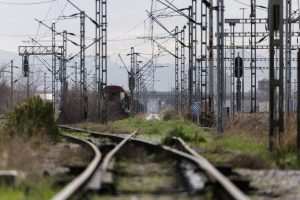
A wave of discontent has erupted over government plans to convert the historic Peloponnese railway line into a cycle path. Local groups describe the move as a “crime” and a “disgraceful scheme,” pointing out that the decision was made while an initiative is already underway. This initiative is led by the Swiss Embassy in Athens, in collaboration with Swiss Railways, ETH and ELLET (Elliniki Etairia), explore the line’s full reactivation having already commissioned a comprehensive feasibility study for the reopening of the railway line.
Meanwhile, both Hellenic Train and the newly licensed Levante Trains have expressed interest in operating parts of the network, either as suburban rail services or for tourism purposes.
The controversy is heightened by the fact that tens of millions of euros in EU funds have already been spent to maintain the network, which is officially classified by OSE (the Hellenic Railways Organization) as “temporarily suspended” rather than abandoned. Swiss experts have estimated the existing line, now set to be dismantled, at around €2 billion in value.
Local Pushback
The Messinia Railway Friends Association condemned the decision as an “unacceptable attempt to erase the national railway infrastructure from the Peloponnese map”. Members say they had recently been lobbying local officials in favor of reviving the rail line, at least in the form of a suburban service running from Kalamata to Diavolitsi, and had received encouraging signals. “We were beginning to believe we would soon hear the train whistle again,” they noted.
They also underline the fact that the Peloponnese rail line, Greece’s oldest railway network which was built under Prime Minister Charilaos Trikoupis in 1882, underwent major reconstruction and modernization in 2011. That project, co-financed by the Peloponnese Regional Operational Program and the EU at a cost of €80 million, produced a nearly brand-new line, still in excellent condition, that has never been put back into service. “Instead of using it, the plan is to rip it up, pour concrete, and pave it in the name of so-called ‘Green Development,’” the group said.
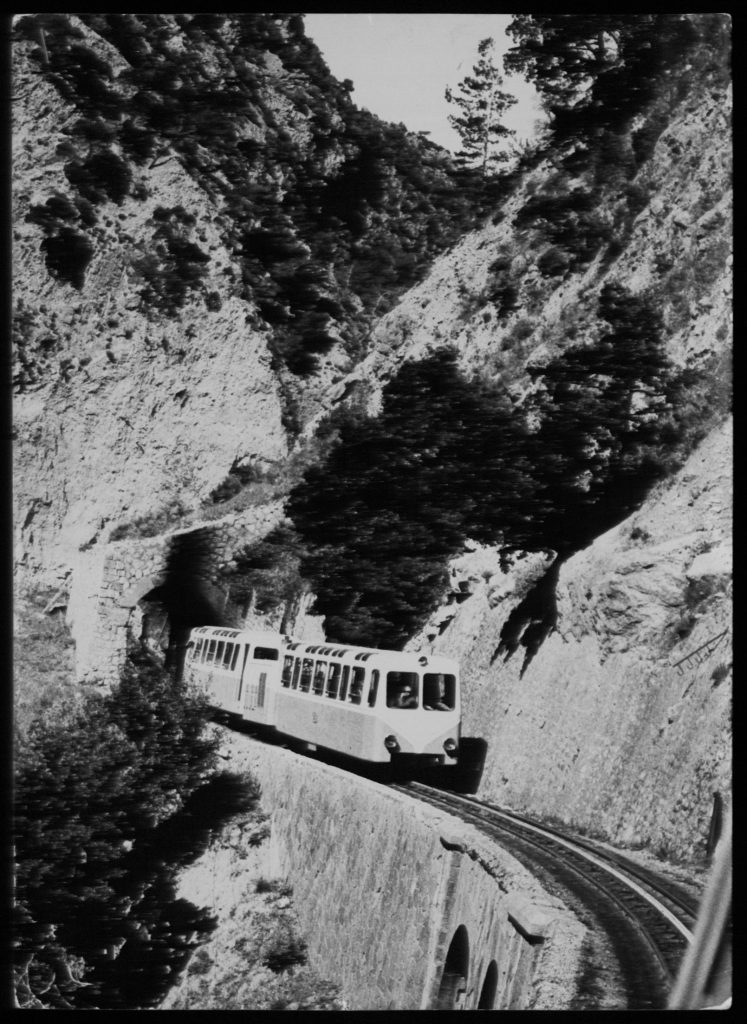
The nationwide Friends of the Railway Association, based in Athens, also criticized the plan, questioning its feasibility: “Who could possibly think that a route with steep gradients, technical challenges, metal bridges spanning valleys and ravines, remote tunnels and in general a terrain entirely unsuitable for most cyclists would make a better bike path than a tourist railway, as is the norm in dozens of countries worldwide?” The group also pointed out that the Ministry of Transport’s own long-term strategy (2024–2044) includes upgrading the Corinth–Tripoli–Kalamata line.
Concerns of Transparency
Dissent has also surfaced within the ruling New Democracy party. MP Periklis Mantas submitted a question to Parliament, arguing that the decision was made “without prior consultation with local communities, without involvement of institutional bodies, and without the consent of municipalities and regional authorities. This raises serious issues of transparency and institutional legitimacy”. He also points out that “several municipalities, including the Municipality of Oichalia, have already expressed support for restoring parts of the line and have called on the government to review its priorities.

Community Resistance
Representatives from the local community argue that they are determined to prevent the project from happening and will continue to press for the railway’s reopening, arguing that it would both serve residents and stimulate regional development.
In a symbolic move, the Messinia Railway Friends Association announced that, with OSE’s approval, a festive passenger train will run in Kalamata on New Year’s Eve, Wednesday, December 31, 2025, to celebrate the railway’s heritage.
Source: Ta Nea