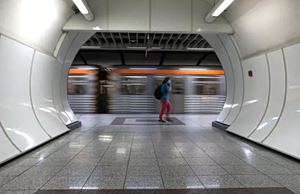
A major investment plan aimed at transforming public transport is set to significantly improve daily commuting, with metro services expected to run as frequently as every 3.5 minutes.
The initiative is part of a broader funding program exceeding €900 million, targeting upgrades across urban transport systems, accessibility improvements, and the expansion of environmentally friendly mobility solutions.
Major Boost for Metro and Bus Networks
The plan includes the addition of 22 new metro trains, alongside the upgrade of existing rolling stock. On key metro lines, the average interval between trains is expected to drop to approximately 3 minutes and 45 seconds, easing congestion and reducing waiting times for passengers.
At the same time, 210 new electric buses will be introduced in major urban areas, improving service coverage—particularly in districts with higher transport demand. Authorities estimate that these changes will reduce waiting times by around 15% while also lowering operating costs.
Focus on Accessibility and Inclusion
Improving accessibility is a central pillar of the investment strategy. Upgrades are planned for dozens of metro and railway stations, with a focus on making them fully accessible to people with disabilities and reduced mobility.
Daily journeys by passengers with disabilities are expected to more than double, rising from 4,000 to 10,000. Additional measures include the development of on-demand transport services designed to serve tens of thousands of vulnerable citizens.
A significant portion of funding will also support dedicated transport for students with disabilities, aiming to cover around 70% of national needs with specially adapted vehicles.
Expansion Beyond Major Cities
The program extends beyond metropolitan areas, with investments in regional and rural transport. Plans include the deployment of 100 electric buses in less densely populated areas, supported by a national digital platform for route planning and bookings.
In parallel, new municipal transport routes will be introduced, along with infrastructure projects such as pedestrian zones and cycling paths, promoting sustainable mobility.
Transition to Cleaner Transport
The transition to greener transport is another key objective. Financial incentives will be offered to replace conventional taxis with electric vehicles, including higher subsidies for accessible taxis designed for passengers with disabilities.