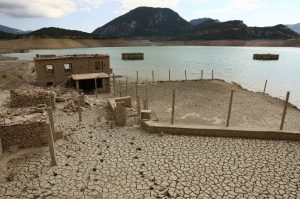
Greece’s main water utility for the Athens region has unveiled a €2.5 billion investment program designed to strengthen and modernize the capital’s water and wastewater infrastructure over the next decade. The initiative comes as prolonged drought and the wider impacts of the climate crisis underscore the need for more resilient and technologically advanced water systems.
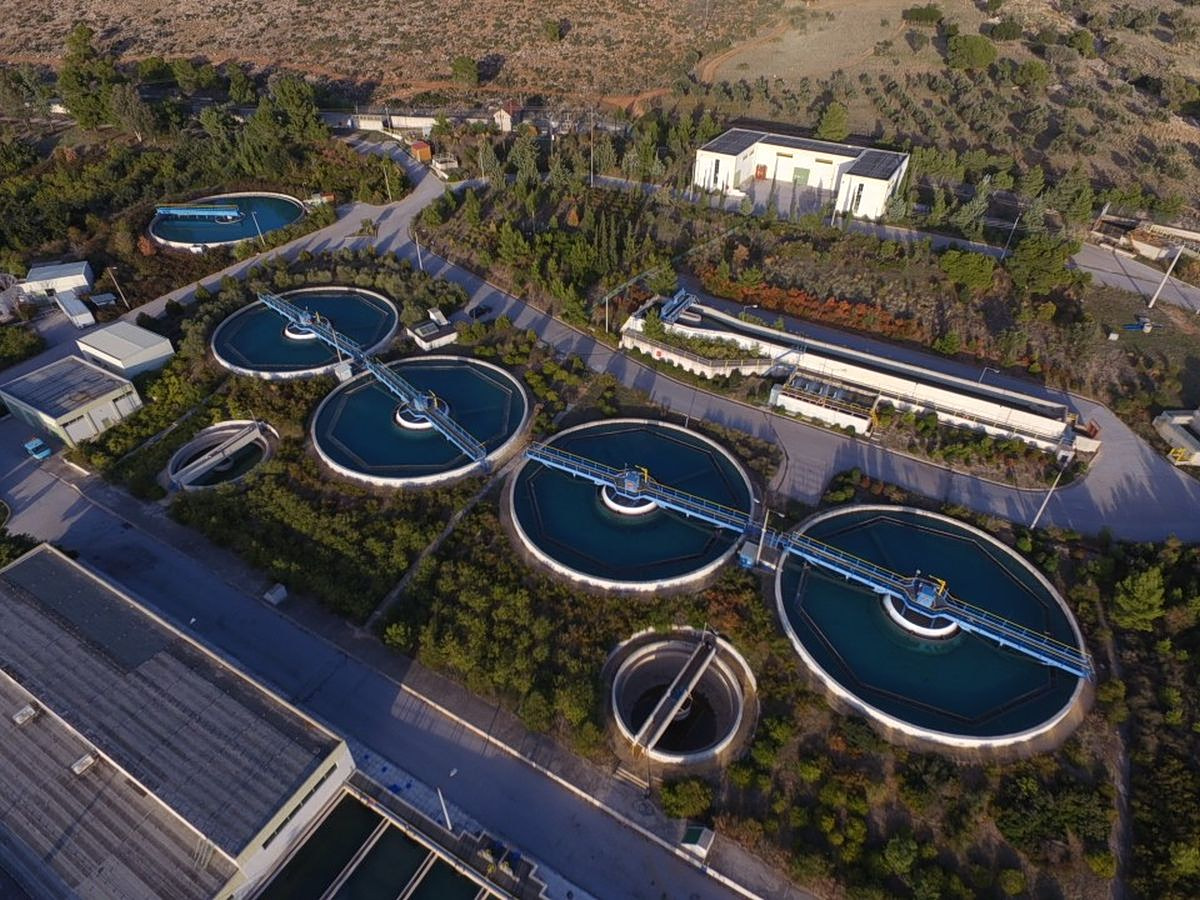
Attica’s water network is one of the most extensive in the country, comprising four reservoirs, nearly 500 kilometers of major transmission pipelines, four water treatment plants and more than 22,000 kilometers of supply and sewer networks. According to the utility, maintaining and upgrading such a vast system requires major works—worth €1.4 billion—including the expansion and modernization of treatment plants, the installation of two million smart household meters and the replacement of 660 kilometers of ageing pipelines.

Significant upgrades are also planned for wastewater networks, pumping stations and treatment centers. These interventions aim to improve the quality of treated effluent, reduce network failures and increase opportunities for water reuse—supporting circular-economy practices and more sustainable water management. Part of the plan focuses on producing recycled water suitable for agricultural irrigation and for maintaining urban green areas.
The company will also expand services to new areas in eastern Attica through projects worth €958 million. These include connecting 75,000 properties to the sewer network and constructing three new wastewater treatment plants, providing long-awaited solutions for more than 410,000 residents.

A recent €250 million financing framework from the European Investment Bank gives further momentum to the program. The funding will support network renewal, energy upgrades for facilities and the rollout of advanced digital systems. The bank’s backing aligns with wider EU policy on green and digital transition, emphasizing resource protection and high-quality, affordable services.
The utility notes that it has quadrupled the execution rate of its investment plan between 2019 and 2024 and aims for even faster implementation in the coming years, despite regulatory hurdles. Close cooperation with local authorities, it says, is key to resolving technical and administrative barriers and keeping projects on schedule.