For Chloé Hayden, Barbie has always been more than just a toy. “Every birthday and Christmas, I got a new Barbie,” she recalls. From The Nutcracker to Swan Lake and Rapunzel, her favorite films were all Barbie adaptations. Even in her twenties, she still played with her dolls daily—and she still has every single one.
“What I loved,” she says, “was that no matter who I was or who I dreamed of becoming, there was a Barbie for that. At three, when I wanted to be a mermaid, I had a mermaid Barbie. At four, a marine biologist Barbie. At ten, awkward and unsure, I had Skipper, Rapunzel, Midge, Christmas Barbie—so many Barbies that weren’t just dolls, but older sisters, dreams, and possibilities.”
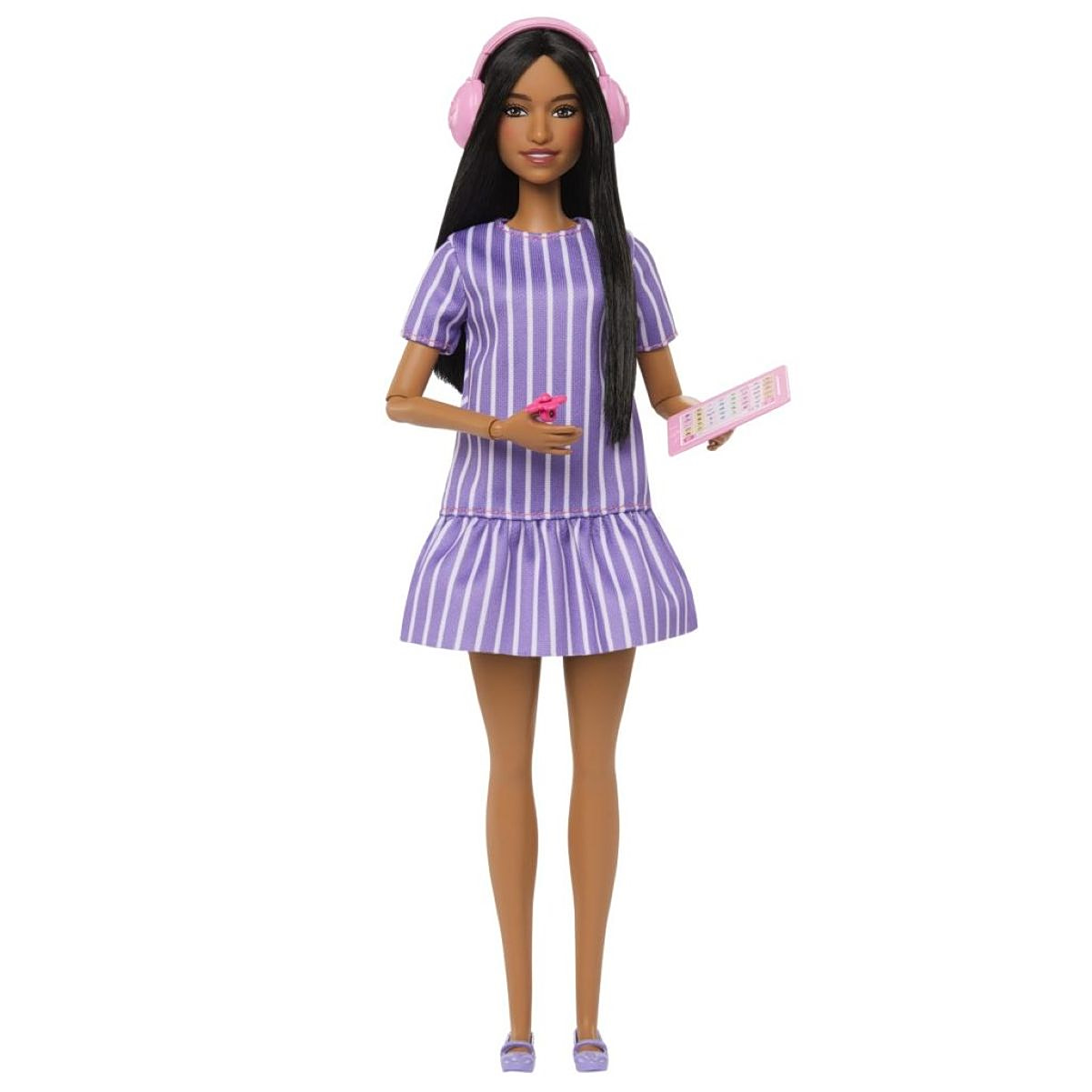
Now, Mattel is introducing a Barbie unlike any before: the first Barbie with autism. “Barbie showed me who I could be in the future,” Hayden writes. “But an autistic Barbie shows children who they can be right now, in any future. That’s so special to me.”
Hayden herself is the first openly autistic actress in Australia, and holding this new doll, she reflects on the profound role a single toy can play—not only in her life, but in the lives of millions of children.
The new addition to the Barbie Fashionistas line comes just six months after the company launched its first Barbie with Type 1 diabetes. Designed in collaboration with the Autistic Self Advocacy Network (ASAN), a nonprofit run by and for autistic people, the doll was 18 months in the making.
Its goal: to allow more children to see themselves in Barbie, encouraging play that reflects the diversity of the real world.
Autism is a form of neurodiversity that affects how people perceive and interact with society. While traits vary widely, the World Health Organization estimates that more than 1 in 100 children are autistic. The autistic Barbie embraces this diversity, offering multiple skin tones, hair colors, body types, and abilities.
“Barbie has always reflected the world of children and what they dream of becoming,” said Jamie Cygielman, Global Head of Dolls at Mattel. “Today, we proudly introduce the first autistic Barbie.
Designed with guidance from ASAN, this doll expands the meaning of inclusion and representation in play, ensuring that every child can see themselves in Barbie.”
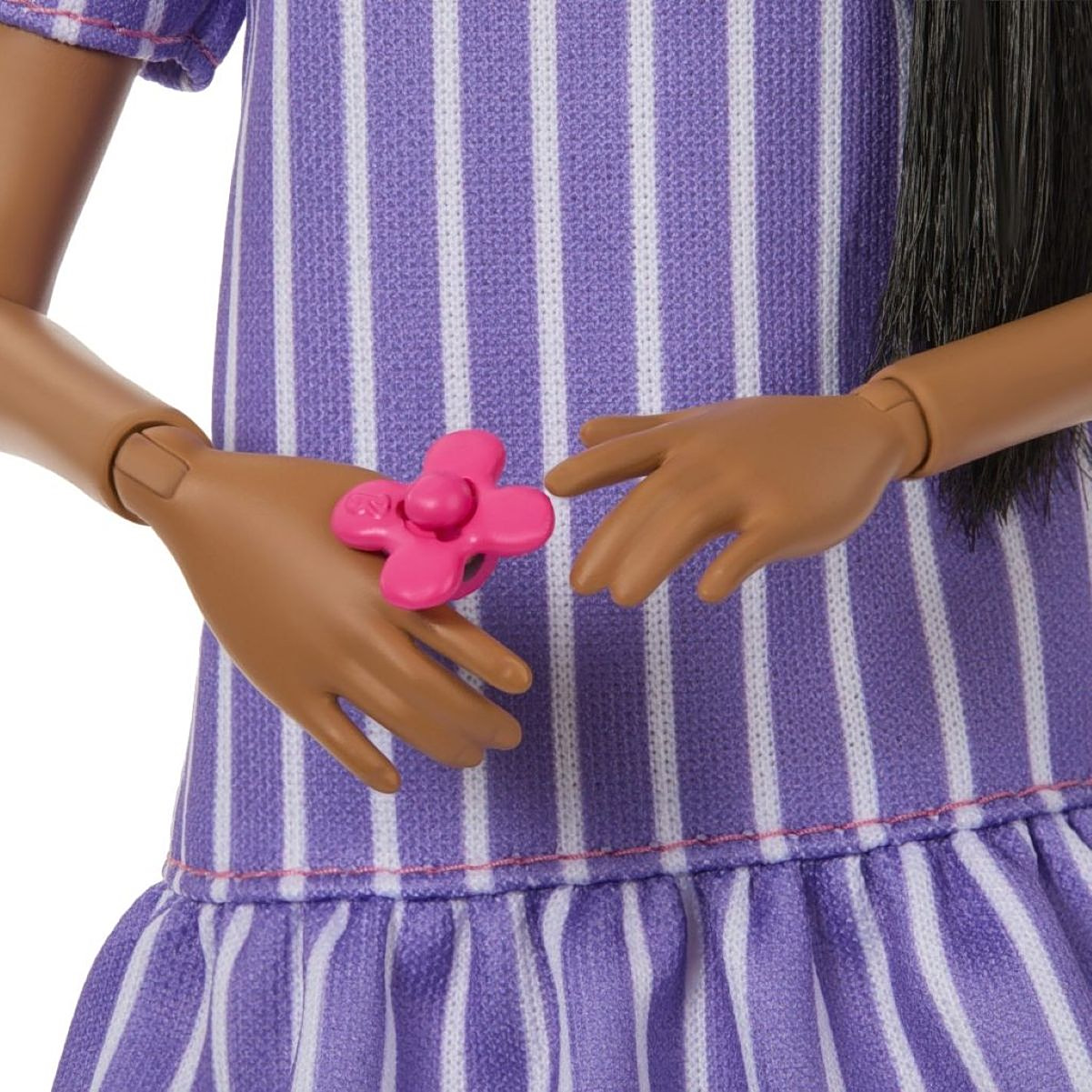
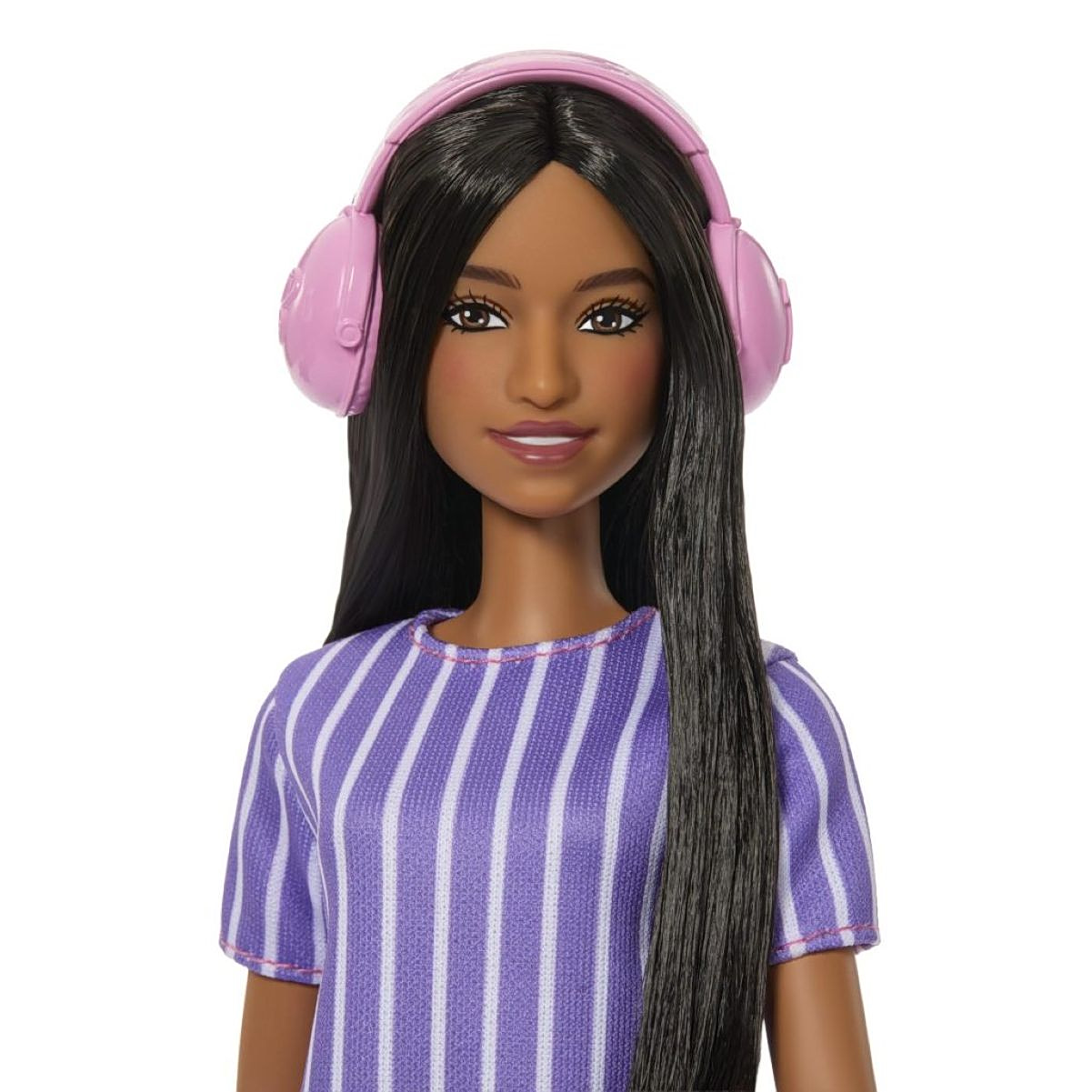
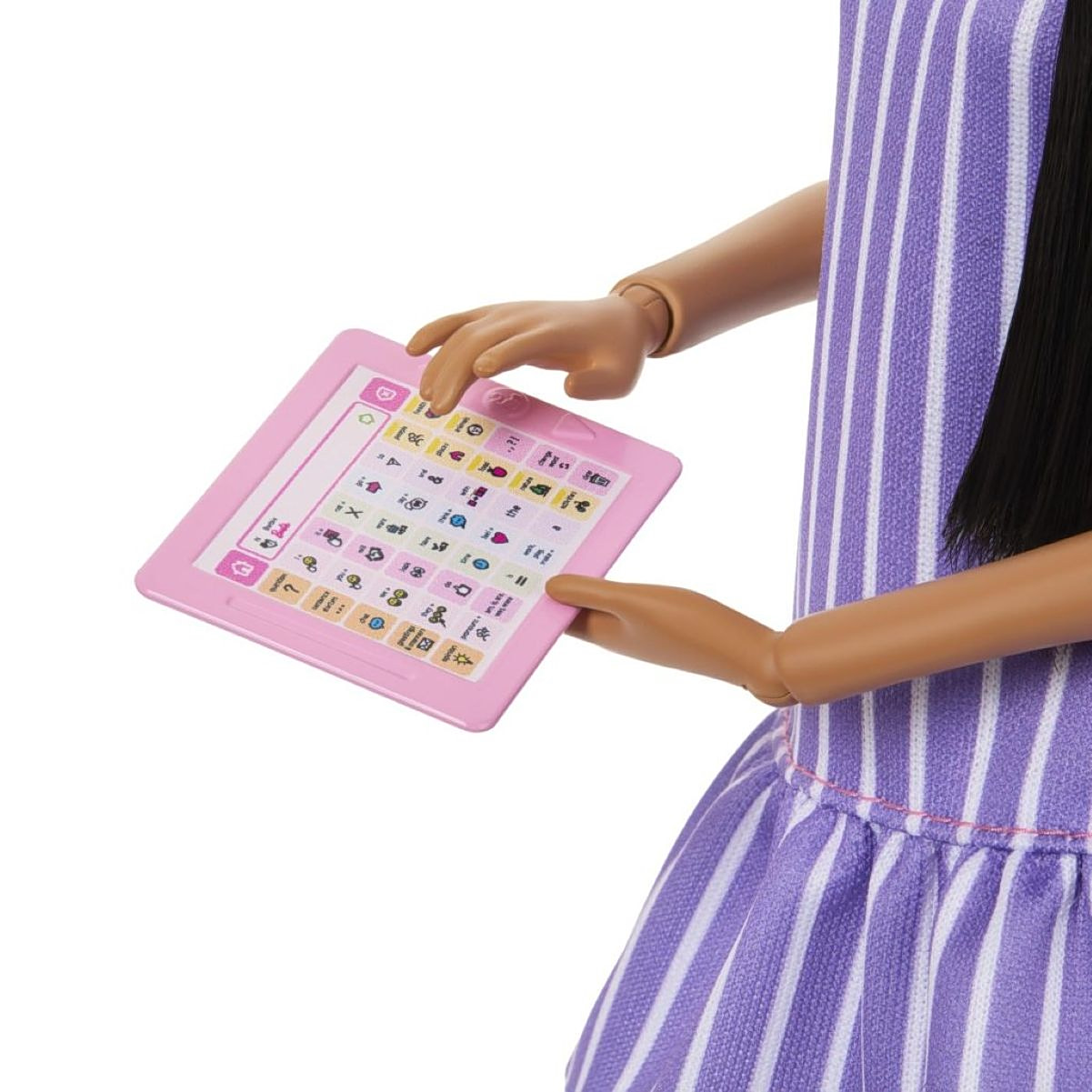
The doll’s design includes articulated elbows and wrists, enabling repetitive movements (stimming) common among some autistic individuals as a way to process stimuli or express excitement. Her gaze is subtly averted, reflecting the experience of those who avoid direct eye contact.
Each Barbie comes with a pink fidget spinner with a finger clip, noise-canceling headphones, and a tablet. The spinner provides a sensory outlet to reduce stress and improve focus, while the tablet features Augmentative and Alternative Communication (AAC) apps, supporting everyday communication. The doll wears a comfortable, purple striped A-line dress, designed to minimize fabric contact with the skin.
“Being part of creating the first autistic Barbie was exciting for the ASAN team,” said Cygielman. “It’s crucial for children and youth on the spectrum to see authentic, joyful representations of themselves—and that’s exactly what this Barbie delivers.”
Source: The Guardian