 Μake us preferred on Google
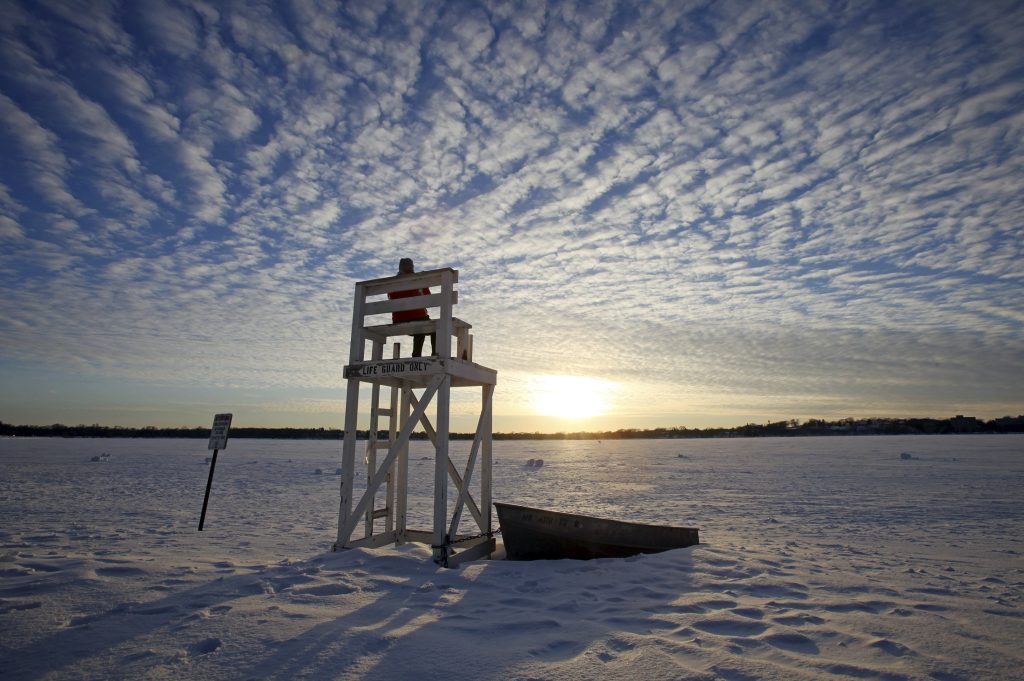
 Even though June 1 marks the official start of the swimming season, the vast majority of beaches across Greece still have no lifeguard coverage. According to available information, coastal municipalities have begun the bidding processes for lifeguard services, but the procedures are not expected to be completed before mid-month. This comes as no surprise, given that the decision authorizing the relevant expenditure — a mere 15 million euros for 133 municipalities — was signed by the Ministry of Interior only about a month ago, on May 2, and as of last Thursday the additional 5 million euro supplement had still not been released.
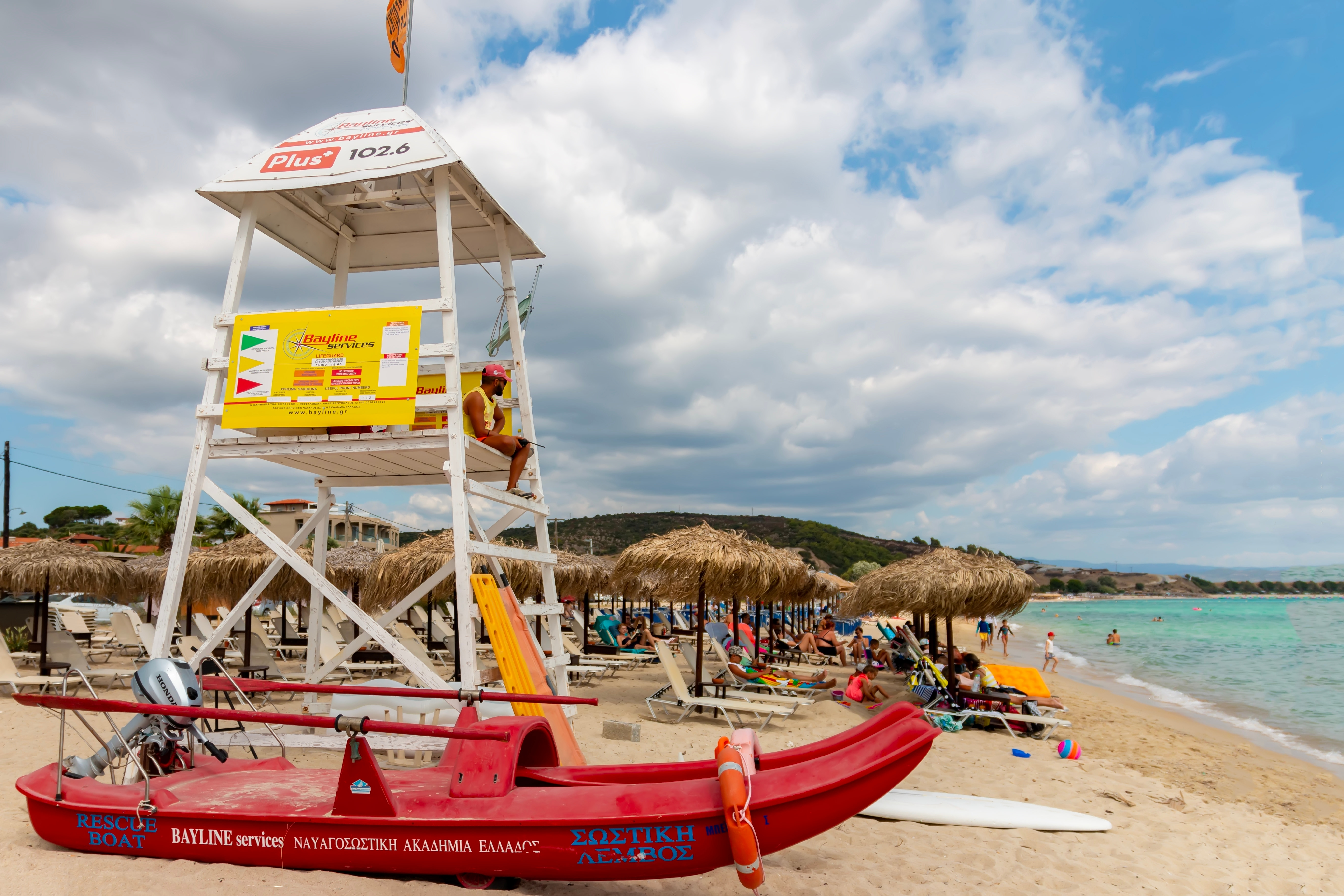
“These steps should be taken in January and February so that everything is in place by the first of the month. Because the concession process is still unfinished for 80% of beaches, we cannot put up lifeguard stands yet. Doing so would create problems,” says Marios Myronakis, president of the Union of Lifeguard Schools of Greece. “So, as every year, lifeguard coverage at the start of June stands at around 30% of beaches. By mid-month it will reach 60%, and by mid-July it will approach 90%,” he adds.
According to Grigoris Konstantellos, first vice president of the Central Union of Municipalities of Greece (KEDE) and mayor of Vari-Voula-Vouliagmeni, the bidding processes have begun using the 15 million euros, “an amount that covers 47% of the annual cost for the 133 municipalities that have lifeguard coverage.” With the additional 5 million euros, he notes, coverage is estimated to reach 57%.
Of the 15 million euros allocated, Rhodes receives the largest share (566,606 euros), followed by Hersonissos in Crete (456,355 euros), Zakynthos (434,684 euros), and Chania (409,270 euros). In Attica, the largest allocation goes to Marathon (325,139 euros), followed by the municipalities of Spata-Artemis (145,079 euros) and Vari-Voula-Vouliagmeni (139,580 euros).
A Decline in Drowning Deaths
Despite the chronic delays in coverage, the requirement to have lifeguards at all heavily used beaches — those with 300 or more swimmers — has contributed to a reduction in drowning fatalities. According to Myronakis, this is due both to an increase in the number of lifeguards and to the modernization of rescue equipment, including defibrillators and rescue boats.
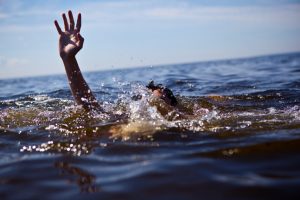
According to data from Safe Water Sport, 376 people lost their lives in 2025 in the sea, lakes, rivers, pools, and other bodies of water in Greece while engaged in recreational or swimming activities. Of these, 357 deaths occurred at sea, compared to 388 in 2024, while 19 deaths took place in inland waters such as rivers, lakes, and pools — up from 7 in 2024, marking a worrying increase in that category.
“The good news is that in 2025 there were no fatal accidents at organized beaches where lifeguards were present. However, there are some alarming figures as well. Within a single year, there was a significant increase in drownings in pools and other inland waters. Child fatalities also doubled — from two in 2024 to four in 2025 — which underlines just how important it is for children to learn to swim properly from an early age,” says Nikos Giovanidis, director of the Greek Lifesaving Academy.
Another significant statistic: eight out of ten people who drown at sea are over the age of 60.
The Best Prevention
“The best prevention is to look out for one another. Elderly individuals should not go alone to isolated beaches, and parents of young children should never let their attention wander for even a minute. Drowning is a silent death. A person who is drowning cannot call out or alert anyone. Small children and the elderly in particular can drown even in shallow water,” says Giovanidis, adding that most of the people who lost their lives at sea last year were within less than 1,000 meters of the shore.
Safety Tips
- Never let your attention drift to your phone or elsewhere, especially when accompanying young children.
- Inflatable arm bands and swim rings are not considered safe flotation devices. Children should learn to swim properly from an early age.
- Avoid entering the sea or a pool after eating, after consuming alcohol, or when feeling tired or exhausted.
The Risk of Double Drowning
If beachgoers notice someone in danger and there is no lifeguard on the beach, Giovanidis advises approaching carefully and throwing anything that floats in the water toward the person. “Throw a board, a life ring, a thick tree branch, a rope — anything to pull the person out carefully. Do not touch them directly, because someone who is panicking may grab and pull down the very person trying to rescue them, causing both to drown. This is what we call a ‘double drowning,’ and it can happen.”