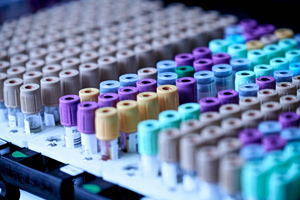
Concerns over blood shortages and weaknesses in the national blood donation system have resurfaced after a patient with a rare blood type received a blood unit only three days before its expiration date.
Representatives of a national association for people living with thalassemia and sickle cell disease say the incident highlights longstanding problems in the management and distribution of blood supplies, particularly for patients who rely on regular transfusions.
The patient, who has the rare O-negative blood type, received a unit that was still safe for transfusion but was nearing the end of its 35-day storage period. According to medical experts, while such blood remains usable, fresher blood generally provides a better therapeutic response for patients who require frequent transfusions.
The case occurred during a period of blood shortages following the holiday season, when supply levels were under pressure. Patient advocates questioned how a nearly expired blood unit could remain available while shortages were being reported elsewhere.
“Where was this blood sitting?” representatives asked, arguing that the absence of a unified information system prevents authorities from having a complete picture of blood availability across hospitals.
Calls for a Unified Blood Management Network
Experts say the current blood donation system remains fragmented, making it difficult to efficiently redistribute blood supplies where they are most needed.
They argue that a centralized digital platform would allow authorities to monitor inventory nationwide and respond more effectively to shortages. According to patient representatives, a pilot system had already been introduced in several hospitals and was expected to expand further before parts of it were recently discontinued.
Seasonal Shortages Remain a Challenge
Although the number of blood donors has increased slightly in recent years, shortages continue to occur during certain periods of the year. Winter viral outbreaks and reduced donor participation during summer holidays are among the factors affecting supply.
Patient advocates also stress that younger donors remain underrepresented. While the country has approximately 430,000 registered blood donors, not all donate regularly, creating additional challenges for maintaining stable reserves.
Growing Demand for Blood
The issue is particularly critical for patients with thalassemia and sickle cell disease, many of whom depend on lifelong transfusions.
According to the association, around 2,700 people in the country live with these conditions and require between 110,000 and 120,000 units of blood annually.